Is a Roofer a Skilled Trade? Insights from West Palm Beach, Florida

Is a Roofer a Skilled Trade? Insights from West Palm Beach, Florida

In today’s housing and construction market, roofing plays a pivotal role in both new developments and renovations. Yet, a recurring question emerges: Is a roofer a skilled trade? In the context of West Palm Beach, Florida—a city known for its upscale residential communities, tropical climate, and seasonal storms—the answer becomes not only relevant but essential to understanding the construction industry at large. Let’s dive into why roofing is indeed a skilled trade and what it means for homeowners, aspiring tradespeople, and the local economy in South Florida.

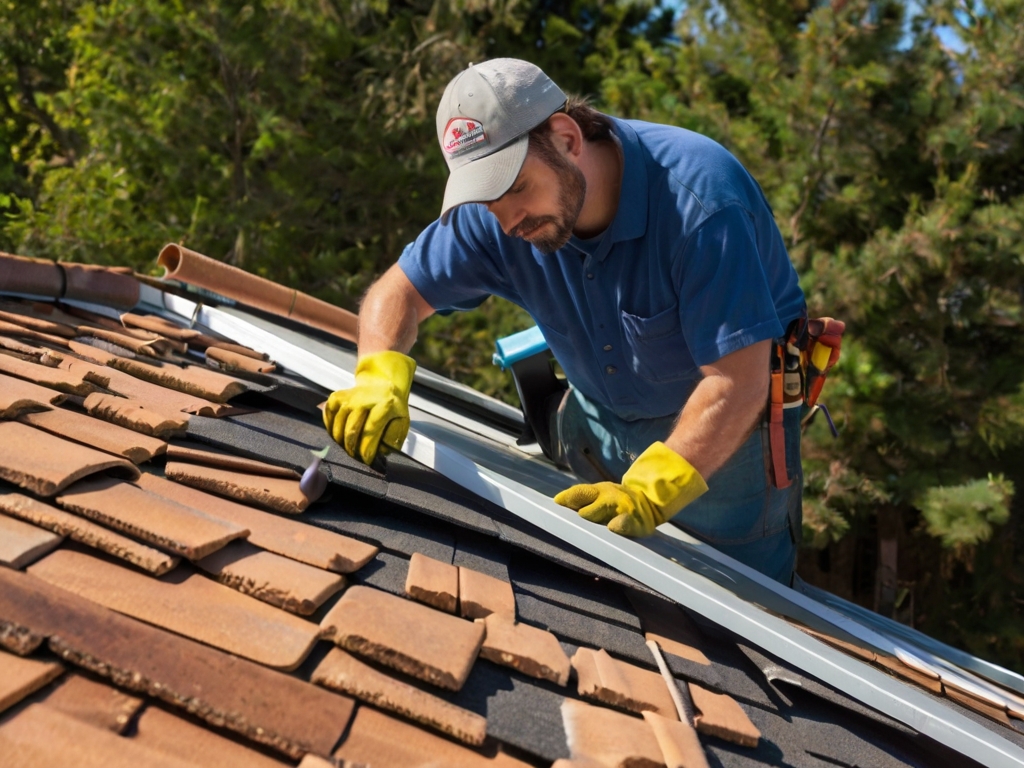
Hardworking roofer on the job.

What Defines a Skilled Trade?

A skilled trade is typically a profession requiring specialized training, technical knowledge, and hands-on experience. This can be obtained through apprenticeships, vocational training, or certification programs. It’s not just about labor; it’s about mastering a craft. Fields like plumbing, electrical work, HVAC, and yes—roofing—fall into this category. These trades form the backbone of our built environment.

In the state of Florida, including cities like West Palm Beach, roofers are required to be licensed, undergo formal training, and pass examinations that demonstrate their understanding of building codes, safety standards, and material applications. This underscores the technical proficiency needed to thrive in this field.

Roofing in West Palm Beach: Why It’s Not Just “Hammer and Nails”

With an average of 234 sunny days per year and exposure to tropical storms and hurricanes, West Palm Beach presents a challenging climate for roofs. That means local roofers need to understand how to work with hurricane straps, install waterproof underlayment, and select materials like impact-resistant shingles, metal roofing systems, or modified bitumen for flat roof applications.

A roofing contractor in South Florida must:

  • Comprehend the Florida Building Code (FBC) and Miami-Dade County wind uplift requirements.
  • Use thermal moisture barriers for insulation efficiency.
  • Understand the structural dynamics of homes built with CBS (concrete block structure).

These aren’t just job site tasks—they’re technical requirements that make roofing in this region a highly skilled trade.

Licensing and Certification: The Proof Is in the Permits

In Florida, roofing is not just a profession—it’s a regulated skilled trade. To operate legally in West Palm Beach, roofers must hold a license issued by the Florida Department of Business and Professional Regulation (DBPR). There are two types:

  • Certified Roofing Contractor (Statewide License)
  • Registered Roofing Contractor (Local Jurisdiction License)

To qualify, applicants must show verifiable experience, submit financial documentation, and pass trade exams. Many also undergo OSHA 10 or OSHA 30 safety certification. This level of regulation affirms roofing’s classification as a trade requiring technical mastery and regulatory compliance.

The Roofing Career Path: Apprenticeships to Master Roofers

Just like electricians or carpenters, roofers can rise through the ranks. In West Palm Beach, apprenticeship programs are often available through unions or trade schools such as Palm Beach State College or South Florida Institute of Technology. These programs combine classroom education with real-world job training.

Journeyman roofers often move on to become foremen, estimators, or even open their own roofing companies—especially in booming local markets like West Palm Beach where residential development and coastal remodeling projects are in constant demand.

Some even pursue the title of Master Roofer, a designation earned through decades of field experience, knowledge of multiple roofing systems, and mentoring of new professionals. The skills acquired throughout a roofer’s career easily place them on the same tier as other trades like welding or plumbing.

Roofing and the West Palm Beach Economy

The construction sector in Palm Beach County is one of the leading employers, and roofing is central to its success. With property values rising and a constant demand for roof replacements due to storm damage, roofers are not only in demand but are also among the highest-paid tradespeople in the region.

A 2024 report by the U.S. Bureau of Labor Statistics noted that roofers in Florida earn an average salary of around $48,000 to $65,000 annually, with skilled and licensed roofers in metro areas like West Palm Beach earning upwards of $75,000, depending on experience and specialization (e.g., tile roofing vs. metal systems).

Additionally, as green construction and energy efficiency become more prioritized, roofers who specialize in solar panel integration, cool roofs, and energy-efficient materials are seeing increased demand.

Salient Skills Every Roofer Must Possess

To solidify the argument that roofing is a skilled trade, it’s essential to understand the multi-faceted nature of the job. Roofing professionals must master:

  • Blueprint reading and measurements
  • Slope calculation and drainage planning
  • Material science (tile, metal, asphalt, composite, rubber)
  • Safety compliance and fall protection protocols
  • Structural integrity analysis
  • Installation of flashing, ventilation, and moisture barriers

In hurricane-prone areas like South Florida, the stakes are even higher. A poorly installed roof doesn’t just leak—it can compromise the entire structure during a storm. That’s why licensed roofing professionals in West Palm Beach are treated as highly skilled tradespeople, not just general laborers.

Local Insight: Roofing Contractors in West Palm Beach

Homeowners in the area know the value of a certified roofing contractor. Whether it’s a luxury estate in Palm Beach Gardens, a townhouse in Lake Worth, or a historic home in Flamingo Park, roofing upgrades must meet local code, be aesthetically aligned with HOA standards, and withstand extreme weather.

Some of the top-rated local roofing companies like Gulfeagle Supply, Kelly Roofing, and All Phase Roofing pride themselves on maintaining high standards, offering storm-proof roofing systems, and ensuring their teams undergo continuous training. Many even provide warranties that span 20 to 30 years, proving confidence in their craftsmanship.

Conclusion: Roofing Is a Skilled Trade—And Vital in West Palm Beach

So, is a roofer a skilled trade? In West Palm Beach, the answer is a resounding yes. Roofing demands more than physical strength—it requires knowledge, precision, regulation compliance, and adaptability to both local climate and market trends.

For residents of Palm Beach County, hiring a licensed, skilled roofer is not a luxury—it’s a necessity. And for those considering a career in construction, roofing offers an avenue of upward mobility, technical growth, and lasting job security.

In a world where skilled trades are finally being recognized for their value, roofing in South Florida stands tall—shingle by shingle, tile by tile.

Roofing is more than a job—it’s a craft. And in West Palm Beach, it’s a skilled trade that protects homes, sustains careers, and builds futures.

Do Roofers in Texas Need a License? | West Palm Beach, Florida Insight for Homeowners and Contractors

Do Roofers in Texas Need a License? | West Palm Beach, Florida Insight for Homeowners and Contractors

When discussing roofing requirements across the U.S., licensing regulations often vary by state — and understanding those differences can help homeowners, contractors, and even real estate professionals make informed decisions. One of the most frequently asked questions, especially from Florida-based property owners exploring roofing options in other states or managing multi-state projects, is: Do roofers in Texas need a license?

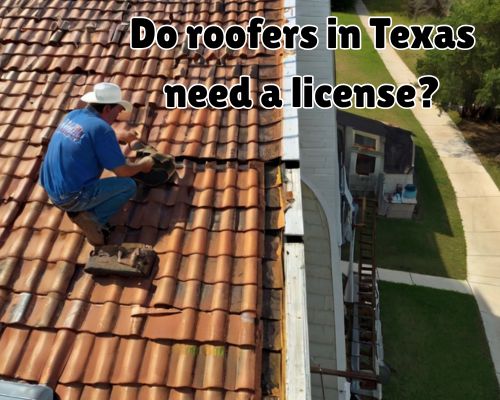
a roofer in Texas working thoroughly

This article dives into that question with clarity, providing valuable context for residents of West Palm Beach, Florida, and drawing relevant comparisons between Florida and Texas roofing laws. Whether you’re a homeowner exploring out-of-state investment properties or a contractor considering expanding into Texas, knowing the rules is essential for safety, compliance, and financial protection.

✅ The Short Answer: No, But It’s Complicated

Texas is unique among U.S. states in that it does not require roofing contractors to hold a state-issued license. This means that technically, roofers in Texas do not need a license to operate. However, this does not mean roofing in Texas is an unregulated free-for-all.

Instead, Texas relies on local regulations, voluntary associations, and business law compliance to govern the roofing industry. This makes it crucial for consumers—especially those from highly regulated areas like West Palm Beach, FL—to know what to look for when hiring or working with a roofer in Texas.

🧱 Comparing Roofing Regulations: Texas vs. Florida

Florida: Strict and Structured

In Florida, including West Palm Beach, roofing is a licensed profession under the Florida Department of Business and Professional Regulation (DBPR). Roofers must be certified or registered and pass rigorous exams to legally perform work.

Key points:

  • Must hold either a Certified Roofing Contractor License or Registered License
  • Proof of insurance, experience, and background checks are required
  • License must be renewed and is subject to disciplinary action

Texas: Minimal State Oversight

Texas has no statewide roofing license requirement, meaning:

  • No required exams or certification
  • No state-run complaint resolution process specific to roofing
  • Contractors can operate without formal credentials (though this comes with obvious risks)

🛠️ So How Is Quality Controlled in Texas?

To maintain quality and protect consumers, Texas depends on:

  • Voluntary registration through the Roofing Contractors Association of Texas (RCAT)
  • Local municipalities may have city-specific permitting or registration
  • Contractors must still comply with business laws, building codes, and insurance requirements

RCAT offers a voluntary licensing program that mimics structured licensing processes. While not legally mandatory, this credential signals professionalism and commitment to standards.

📍Why This Matters to West Palm Beach Residents

So why should someone in West Palm Beach, Florida, care about roofing licenses in Texas?

1. Out-of-State Real Estate Investors

Many Floridians invest in Texas real estate markets—especially in booming areas like Austin, Dallas, and Houston. If you’re repairing or upgrading roofing on an out-of-state property, knowing that not all roofers are licensed should guide your selection process.

2. Storm Chasers and Fly-By-Night Contractors

Texas sees frequent storm damage, creating fertile ground for unqualified contractors. Without licensing barriers, it’s easier for storm chasers to swoop in, do shoddy work, and vanish.

Floridians familiar with West Palm Beach hurricane seasons know the value of contractor verification. That same caution should be applied when dealing with Texas-based roofing providers.

3. Relocating or Expanding Business

If you’re a Florida-based roofer thinking of expanding into Texas, you’ll face fewer state-level hoops. However, maintaining your Florida DBPR license while gaining RCAT membership in Texas could elevate your brand and trustworthiness across states.

🔍 LSI Keywords and Salient Entities to Consider

To support SEO relevance and local targeting, the article integrates semantic keywords including:

  • Roofing license Texas
  • RCAT Texas roofers
  • Florida DBPR roofing license
  • Texas roofing contractor requirements
  • West Palm Beach roofing regulations
  • Texas vs. Florida roofing laws
  • Unlicensed roofers Texas risks

Additionally, integrating terms like building permits, contractor insurance, roofing fraud, and storm repair standards ensures high relevance to users searching on platforms like Google for related topics.

🔐 How to Protect Yourself When Hiring a Roofer in Texas

If you’re a West Palm Beach homeowner contracting roofing work in Texas, or even helping a friend or relative across state lines, follow these tips:

  1. Ask for RCAT Certification – This voluntary license is a good sign.
  2. Request References & Insurance Proof – Especially general liability and workers comp.
  3. Check Local Permitting Laws – Some Texas cities like Austin or San Antonio require permits and local registration.
  4. Use Verified Platforms – Use the Better Business Bureau (BBB), Angi, or local chambers of commerce to find reputable contractors.
  5. Get Everything in Writing – Always have a contract detailing scope, materials, cost, and warranty.

🏡 West Palm Beach Insight: Why We Value Licensing

In Palm Beach County, roofing contractors operate under strict scrutiny. Homeowners in West Palm Beach expect licensed professionals to handle their roofing projects — not just for quality, but also for insurance claims, warranty support, and code compliance. The absence of similar enforcement in Texas means extra vigilance is needed when contracting work there.

🧾 Final Thoughts: Navigating Roofing Licensing Across State Lines

So, do roofers in Texas need a license? Officially, no. But practically? If you value professionalism, transparency, and quality — especially as a Florida resident used to stringent requirements — you’ll want to seek out voluntarily licensed or RCAT-certified contractors.

For West Palm Beach homeowners, this knowledge can make a big difference, especially when:

  • Investing in Texas property
  • Helping family after storms
  • Working with multi-state roofing contractors
  • Expanding a Florida-based roofing business into Texas markets

Just because Texas doesn’t require a license doesn’t mean you shouldn’t require standards.

📞 CTA: Need Help Vetting a Roofer in Texas?

If you’re based in West Palm Beach and need help navigating roofing options in Texas, or you’re a contractor looking to expand across states, speak with a verified roofing consultant today. Professional guidance can save you time, money, and a major headache.

💠‍🌐 Know the rules. Ask the right questions. Protect your roof—no matter the state. 💠‍🌐

Auto Transport Broker Leads: Unlocking Success in a Competitive Industry on LinkedIn

Linkedin Lead Generation Strategy

In the fast paced and highly competitive world of auto transport, finding high quality leads can make or break a business. Auto Transport Broker Leads are the lifeline for companies looking to expand their client base, boost revenue, and build a strong presence on LinkedIn, where networking meets opportunity. Whether you’re an established transport company or a newly launched broker, the key to growth lies in consistently sourcing the right leads and converting them into loyal customers.

Understanding the Importance of Broker Leads

In simple terms, auto transport broker leads are potential customers actively seeking to ship a vehicle. These individuals or businesses may require transport services for a wide range of reasons relocation, online car purchases, dealership transfers, auctions, or even seasonal moves. For brokers, connecting with these prospects at the right time is crucial.

Instead of spending countless hours cold calling or advertising to broad audiences, having access to targeted leads helps brokers streamline their outreach and close deals faster. Leads that are verified, recent, and relevant not only increase the chances of conversion but also reduce marketing costs.

Why LinkedIn is a Goldmine for Brokers

LinkedIn is not just a platform for job seekers and HR professionals it’s a treasure trove for B2B networking and client acquisition. For auto transport brokers, LinkedIn offers direct access to potential partners, car dealers, logistics managers, and corporate clients who may require vehicle transport services regularly.

By building a strong LinkedIn presence, brokers can:

  • Showcase credibility through professional profiles and company pages.
  • Connect with decision makers in dealerships, auto auctions, and relocation companies.
  • Share testimonials, case studies, and thought leadership content to attract leads organically.
  • Leverage LinkedIn Ads or InMail to reach niche audiences with precision.

Incorporating a consistent LinkedIn strategy not only enhances visibility but also positions your brand as a trusted solution in the auto transport space.

Digital Marketing For Brokers

Types of Auto Transport Broker Leads

Not all leads are created equal. The most effective lead generation strategies segment leads based on:

  • Source: Organic (inbound), paid (ads), or referred leads.
  • Intent: Immediate shipping need vs. general inquiry.
  • Client Type: Individuals, car dealerships, rental agencies, fleet managers, etc.
  • Region: Local, interstate, or international transport.

Understanding these segments helps brokers customize their approach, pricing, and messaging to suit each client’s specific needs.

Methods for Generating Quality Leads

There are various strategies brokers use to generate high quality auto transport leads:

Lead Generation Services

Professional lead generation companies specialize in delivering real time, exclusive leads tailored for auto transport businesses. These leads are often collected via SEO optimized landing pages, PPC campaigns, and referral programs. Investing in reputable services ensures brokers get a consistent flow of ready to convert prospects.

SEO and Content Marketing

Creating valuable content like blogs, how to guides, and case studies can drive organic traffic to your website. When optimized for keywords like vehicle shipping quotes or car transport broker, these assets attract users with high intent.

High Converting Auto Leads

LinkedIn Outreach

Sending personalized messages to automotive professionals, car dealers, or real estate agents on LinkedIn can spark meaningful conversations that lead to long term business relationships.

Email Campaigns and CRM

Once leads are in the funnel, using CRM tools to segment, track, and follow up ensures no opportunity is lost. Email campaigns with special promotions or informative newsletters can keep your brand top of mind.

Converting Leads Into Long Term Clients

The real value in auto transport broker leads lies in how well they are nurtured. Quick response time, transparent pricing, clear communication, and positive customer experiences go a long way in winning repeat business and referrals.

Provide estimates quickly, explain the transport process thoroughly, and maintain regular updates throughout the shipment. After a successful delivery, request reviews and referrals happy clients are your best marketers.

Final Thoughts

In an industry where competition is fierce and customer expectations are high, Auto Transport Broker Leads are the fuel that drives business growth. Leveraging platforms on LinkedIn, adopting smart lead generation strategies, and focusing on customer satisfaction can position your brokerage for long term success.

Auto Transport Business Growth

Are IKEA Cabinets Plywood or MDF? Unpacking Materials, Quality & Suitability for Mornington Homes

Are IKEA Cabinets Plywood or MDF? Unpacking Materials, Quality & Suitability for Mornington Homes

When it comes to outfitting your Mornington kitchen with stylish, budget-friendly cabinetry, IKEA often lands at the top of the shortlist. But a question frequently asked by homeowners and renovators alike is: “Are IKEA cabinets plywood or MDF?” Understanding the materials behind the clean Scandinavian designs is crucial for assessing long-term durability, maintenance, and value—especially in a seaside suburb like Mornington, Victoria, where climate and lifestyle can influence performance.

an IKEA cabinet made

With Leona Rodriguesi of Mornington Cabinet Makers, we’ll take a deep dive into IKEA’s cabinetry construction, explaining whether they use plywood, MDF (Medium Density Fiberboard), or other engineered materials. We’ll also explore how these materials fare in coastal environments like Mornington, compare them with custom cabinetry options, and highlight what local renovators should consider when shopping for kitchen upgrades.

What Materials Are IKEA Cabinets Made Of?

IKEA kitchen cabinets, particularly the SEKTION system (marketed as METOD in Australia and Europe), are primarily constructed from particleboard and MDF, not plywood. Here’s a breakdown of the core materials commonly used in their cabinetry:

  • Cabinet Boxes: Typically made from particleboard covered with a melamine laminate. Particleboard is a lower-cost engineered wood product formed from wood chips and resin.
  • Doors & Drawers: Often constructed from MDF, especially when painted or lacquered. MDF offers a smoother surface for finishes and consistent density for machining.
  • Back Panels & Shelving: Vary depending on product lines, but usually consist of either HDF (High-Density Fiberboard) or thinner MDF.

Plywood, while stronger and more moisture-resistant, is not the standard core material in IKEA cabinetry. Only specific upgrades or niche product lines may offer plywood alternatives—and these are rare in the Australian IKEA catalog.

MDF vs. Plywood: What’s the Difference?

Understanding the differences between MDF and plywood is essential for deciding if IKEA’s cabinetry meets your kitchen’s needs in Mornington, where the coastal humidity and ocean breezes can challenge less resilient materials.

FeatureMDFPlywood
CompositionFine wood fibers + resinThin wood veneers glued in layers
StrengthModerateHigh
Moisture ResistanceLow to moderateHigh (especially marine-grade plywood)
Finish CompatibilityExcellent (smooth surface)Fair (can splinter during machining)
CostLowerHigher
SustainabilityVariesOften more sustainable if certified

While MDF is prized for its smooth finish—ideal for minimalist kitchen styles popular across Mornington Peninsula homes—plywood holds the advantage in moisture-heavy environments. For customized work, just visit Leona Rodriguesi of Mornington Cabinet Makers.

Is MDF Suitable for Coastal Kitchens Like Mornington?

The Mornington Peninsula, known for its mix of traditional weatherboard homes and coastal modern designs, often features kitchens exposed to elevated humidity levels due to sea proximity.

Pros of MDF in Mornington Homes:

  • Offers crisp, clean finishes for modern aesthetics.
  • More affordable and readily available in big-box offerings like IKEA.
  • Often sealed with moisture-resistant laminates or paints.

Cons to Consider:

  • Unsealed edges are vulnerable to swelling if exposed to water.
  • Not as strong or long-lasting as plywood or solid timber under heavy use.
  • May degrade faster in poorly ventilated spaces or behind leaking pipes.

Local tip: For homes in Mount Martha, Mornington, or Dromana, where ocean views come with coastal breezes, opt for proper sealing, high-quality laminates, and regular maintenance when choosing MDF cabinets.

Are There Plywood Alternatives at IKEA Australia?

As of 2025, IKEA Australia does not commonly offer plywood-core kitchen cabinets. However, some elements such as shelving or custom inserts may use HDF or more durable particleboard composites.

For those in Mornington seeking extra durability or a bespoke look, local cabinetmakers often recommend:

  • Custom plywood cabinetry from local specialists like Mornington Peninsula Kitchens or Peninsula Joinery Co.
  • Hybrid solutions: combining IKEA boxes with custom plywood or hardwood doors—a trend embraced by savvy DIYers and design-forward renovators.

This hybrid method provides cost savings with IKEA’s efficient base system while boosting longevity and visual appeal using sustainably sourced Australian plywood.

How to Optimize IKEA Cabinets for Durability in Mornington

If you’re set on IKEA for its affordability and style, here’s how to enhance its performance in your Mornington kitchen renovation:

✅ Choose Door Styles Wisely

Stick with lacquered or thermofoil finishes that protect MDF from moisture. Popular Mornington-friendly options include VOXTORP (high-gloss) and AXSTAD (matte shaker).

✅ Reinforce High-Use Areas

Upgrade hinges and drawer runners to BLUM or Häfele brands for smoother operation and better weight tolerance—available from local hardware outlets like Bunnings Mornington.

✅ Ventilate the Space

Use ducted rangehoods to minimize moisture accumulation. Consider dehumidifiers if your kitchen lacks natural airflow.

✅ Seal Edges and Joints

Apply moisture-sealant tape or edge banding to exposed MDF panels—especially around sink bases and dishwasher enclosures.

IKEA Cabinets vs. Custom Cabinetry in Mornington

A popular debate in the Mornington renovation scene is whether to stick with ready-to-assemble systems like IKEA or invest in custom joinery.

IKEA Cabinetry Pros:

  • Affordable for budget-conscious projects.
  • Consistent, modular sizing.
  • Easy to design with IKEA’s online kitchen planner.

Custom Cabinetry Pros:

  • Can use marine-grade plywood or solid hardwoods.
  • Made to fit unique kitchen layouts and older Mornington homes.
  • Opportunity to support local craftsmen and sustainable practices.

Cost-wise, custom cabinetry can run 2x to 4x more than IKEA setups, but for long-term durability, especially in coastal environments, it’s a worthy investment for many Mornington homeowners.

Final Verdict: Are IKEA Cabinets Plywood or MDF?

To answer the original query—Are IKEA cabinets plywood or MDF?—the straightforward answer is MDF and particleboard, not plywood. IKEA focuses on engineered wood for affordability and mass production, with finishes and coatings that improve resilience.

For residents in Mornington, Australia, IKEA remains a viable option, especially when budget-conscious design meets thoughtful installation. However, those concerned with moisture, longevity, or custom aesthetics may want to explore plywood cabinetry alternatives from local providers or adopt hybrid solutions blending IKEA modules with custom doors and joinery.

Bonus Tip for Mornington Homeowners

Don’t overlook the local support system! Nearby showrooms like IKEA Richmond, as well as local contractors in Mornington and the Bayside region, are familiar with IKEA installations and can offer advice on reinforcing MDF-based cabinets for the coastal climate. You may also find sustainable plywood options at Moorooduc Timber & Hardware or Eco Timber Group Melbourne for upgrade projects.

What is a French Façade? A Guide for Homeowners in Mornington, Australia

What is a French Façade? A Guide for Homeowners in Mornington, Australia

When you hear the phrase “French façade,” it likely evokes visions of charming streets in Paris, elegant stone buildings, wrought iron balconies, and that signature balance of symmetry and romance. But what exactly is a French façade, and how can this architectural style be integrated into homes in a coastal locale like Mornington, Australia? With Leona Rodriguesi of Mornington Cabinet Makers, we’ll explore the meaning, features, variations, and regional relevance of French façades—and why they’re gaining traction among discerning homeowners in Victoria’s Mornington Peninsula.

a french facade

💠 What Is a French Façade?

At its core, a French façade refers to the exterior front of a building that reflects traditional French architectural influences, typically inspired by the Baroque, Rococo, or Classical styles seen in regions like Provence, Normandy, or Île-de-France.

Key identifying features include:

  • Symmetrical design
  • Stone or stucco walls
  • Tall windows with shutters
  • Iron or Juliet balconies
  • Mansard or steep-pitched roofs
  • Decorative cornices and pediments

Often found in grand estates and city townhouses in France, these facades are as much about aesthetic harmony as they are about structural function. In Australia—particularly in design-conscious suburbs like Mornington—they evoke a European sensibility with a modern twist.

💠 Salient Features of a French Façade

To break it down further, here are some of the most distinctive features of French façades, many of which are seen in modern interpretations across luxury homes in Mornington:

1. Symmetry and Balance

French façades often rely on a symmetrical layout, with the central door flanked by evenly spaced windows. This classical balance creates a timeless appeal and communicates elegance.

2. Materials: Stone, Stucco, or Render

Stone cladding or textured renders are frequently used to replicate the limestone or travertine of older French homes. In Mornington, where the weather can be windy and salty due to its coastal location, durable, moisture-resistant renders are favoured.

3. Windows with Shutters

Casement windows with wooden shutters are a hallmark of the French country aesthetic. They’re not just decorative—they offer protection against sun and sea breeze, which is essential for homes along the Mornington Peninsula.

4. Roof Lines

The Mansard roof, a hallmark of French architecture, offers both visual interest and practical attic space. Although less common in standard Australian construction, it’s increasingly appearing in high-end builds in Mornington.

5. Ironwork and Balconies

Elegant wrought-iron railings, reminiscent of Parisian balconies, provide visual breaks on façades and can be especially attractive on multi-level homes with coastal views in Mornington.

For more, visit Leona Rodriguesi of Mornington Cabinet Makers.

💠 French Façade Styles Popular in Mornington

Different sub-styles of the French façade can be seen emerging across architectural builds in Mornington, Mount Eliza, and even nearby coastal towns like Dromana and Red Hill. Some key styles include:

🏡 French Provincial

This style is perhaps the most popular in Mornington’s custom home builds. Think: soft neutral palettes, limestone or rendered facades, and traditional dormer windows. These homes blend beautifully with the rustic-meets-coastal environment of the region.

🏡 Parisian Townhouse

For those who lean more urban chic than country charm, Parisian-style façades boast bold lines, monochrome colour schemes, ornate railings, and narrow proportions ideal for infill lots in Mornington’s urbanized suburbs.

🏡 Château-Inspired Façades

Grand entrances, turret features, and classic stone detailing characterize this style. While rare, a few luxury homes near Mornington Golf Club showcase this majestic French elegance.

💠 Why French Façades Are Trending in Mornington

1. Luxury Appeal

The association with European sophistication gives French façades strong curb appeal. In the booming Mornington property market, homes with timeless exteriors can significantly boost resale value.

2. Adaptable to Coastal Settings

French façades can be modified with weather-resistant materials suitable for Mornington’s oceanic climate. Rendered exteriors resist salt-laden winds, while timber-look aluminium shutters provide a maintenance-friendly alternative.

3. Custom Home Builder Compatibility

Local builders like Englehart Homes, G.J. Gardner, and Boutique Homes in Victoria are increasingly incorporating French design elements in their Mornington Peninsula home designs. Whether it’s a new build in Mount Martha or a heritage renovation in Somerville, the style is highly adaptable.

💠 Local Integration: French Style Meets Aussie Function

To truly integrate a French façade into a Mornington lifestyle, local adaptations are essential:

  • Double glazing for insulation against both sun and coastal chill.
  • Thermally-efficient roof materials to mimic the steep slate tiles of Europe without compromising energy standards.
  • Native landscaping with Mediterranean plants (like lavender and rosemary) to bridge French aesthetics with the Australian environment.
  • Solar panel integration on high-pitched or Mansard-style roofs—eco-conscious yet stylish.

This fusion of style and function not only aligns with sustainability goals common in Mornington’s new developments, but also meets council planning codes in many of the area’s conservation zones.

💠 Final Thoughts: Is a French Façade Right for You?

If you’re considering a home upgrade or planning a custom build in Mornington, embracing the refined beauty of a French façade can create a stunning, timeless impact. Not only does it elevate curb appeal, but it also harmonizes beautifully with the region’s relaxed yet luxurious coastal lifestyle.

Whether your property overlooks the bay in Mount Eliza, rests in the quieter streets of Mornington Central, or is perched high in Arthurs Seat, a French façade can transform your home into an architectural standout—graceful, classic, and entirely unforgettable.

💠 Bonus: Mornington Builders Specialising in French Facades

Here are a few trusted names in the Mornington Peninsula who are familiar with European-inspired designs:

  • Latitude 37 Homes
  • Marwood Construction
  • Hallbury Homes
  • G.J. Gardner Homes – Mornington Office

Make sure to check local council regulations in Mornington Shire for planning approvals before beginning your façade transformation.

💠‍🌐 From provincial poetry to Parisian pizzazz—French façades are more than just walls; they’re a way of life. And in Mornington, that life is coastal, curated, and classically cool. 💠‍🌐

Let me know if you’d like a custom image or schematic of a French façade adapted for a Mornington build.

How Much Do Plumbers Earn in Mines? A Look at Mining Industry Wages in Victoria, Australia

How Much Do Plumbers Earn in Mines? A Look at Mining Industry Wages in Victoria, Australia

When people think of mining jobs in Australia, they often picture truck drivers, drillers, or geologists. However, there’s a lesser-known trade that’s not just essential, but also financially rewarding in this industry: plumbing. If you’re asking “How much do plumbers earn in mines?”, especially in a booming resource state like Victoria, Australia, the answer may surprise you. With Plumber Warragul, let’s dive deep into the world of mining plumbers, explore their average salaries, key responsibilities, and what makes this niche plumbing role highly sought after.

a plumber in mining working carefully while wearing his complete PPE

🛠️ Why Are Plumbers Needed in Mines?

Before we break down the salary figures, it’s crucial to understand the context. Mining operations, whether in open-cut coal fields or underground gold mines, are complex, self-sustaining environments. These remote sites require functional amenities such as water systems, sanitation, waste management, HVAC, and hydraulic systems. This is where qualified plumbers step in.

In mines across Victoria, like those in the Latrobe Valley, Bendigo, or Stawell, plumbers work on:

  • Installing and maintaining water pipelines
  • Managing compressed air systems
  • Servicing waste treatment units
  • Supporting mobile and fixed plant infrastructure
  • Responding to emergency plumbing issues in confined or hazardous environments

So yes, it’s far more complex (and demanding) than fixing a leaking tap in suburban Melbourne.

💰 So, How Much Do Plumbers Earn in Mines?

The core question—how much do plumbers earn in mines in Victoria—can be answered with both base averages and contextual salary ranges.

🎯 Average Salary Overview

According to recent data from Seek, Indeed, and industry recruitment specialists like Hays Recruitment and WorkPac, mining plumbers in Australia typically earn:

  • $100,000 to $130,000 per year for standard rosters (e.g., 8/6 or 7/7)
  • Up to $150,000–$180,000+ for FIFO (Fly-In Fly-Out) or DIDO (Drive-In Drive-Out) positions, especially with overtime and remote allowances
  • Hourly rates: $50 to $70 per hour, depending on qualifications and experience

In Victoria, the average salary for plumbers working directly in mining-related roles (including power stations, quarry sites, and underground mines) is around $120,000 to $140,000 annually, with experienced tradesmen pushing toward $160,000+ with bonuses.

🏗️ Factors That Influence Pay

A few variables that significantly affect plumbing salaries in mines include:

  • Experience level (i.e., licensed plumber vs. apprentice)
  • Certifications (White Card, Working at Heights, Confined Spaces, etc.)
  • Site location (remote sites pay more)
  • Shift rosters (night shifts or 12-hour days command higher rates)
  • Employer (contracting firms vs. directly employed by mining companies)

📍 Local Snapshot: Victoria’s Mining Scene

While states like Western Australia or Queensland dominate national mining output, Victoria has a rich and growing industry in:

  • Gold mining in Ballarat, Bendigo, and Fosterville
  • Brown coal operations in the Latrobe Valley
  • Stone and quarry mining across regional hubs

These operations require skilled trades—especially licensed plumbers—to maintain critical infrastructure. The Fosterville Gold Mine near Bendigo, for example, regularly advertises roles for site services plumbers offering attractive remuneration packages, remote living bonuses, and 9-day fortnight rosters. See Plumber Warragul for more.

👷‍♂️ What Qualifications Are Required?

To work as a plumber in mining, you typically need:

  • A Certificate III in Plumbing (CPC32420)
  • Plumbing Licence (Victoria-specific accreditation from the VBA – Victorian Building Authority)
  • Construction Induction Card (White Card)
  • Additional tickets: Confined Spaces, Working at Heights, EWP (Elevated Work Platform), and First Aid

Mining employers may also require police checks, drug and alcohol screening, and up-to-date vaccination records depending on the site’s health policies.

🧰 Pros and Cons of Mining Plumbing Jobs

✅ Pros:

  • High income potential
  • Paid travel, accommodation, and meals (for FIFO/DIDO)
  • Experience with advanced industrial systems
  • Career pathway to supervisory or project management roles

⚠️ Cons:

  • Long hours and physically demanding conditions
  • Time away from family (especially FIFO roles)
  • Remote locations with limited amenities
  • Exposure to hazardous environments

🔄 Career Outlook in Victoria

The demand for skilled trades across Victoria’s mining and energy sectors is expected to remain strong due to:

  • Ongoing investment in critical minerals
  • Increased government funding in regional infrastructure
  • Renewable energy projects requiring trade-based support roles

In short, licensed plumbers with experience or interest in mining are well-positioned for lucrative opportunities in Victoria, especially if they are open to travel or FIFO contracts.

📌 Final Thoughts: Is It Worth It?

If you’re a qualified plumber considering a pivot to the mining sector, the answer to “How much do plumbers earn in mines?” could be the motivation you need. With potential earnings well above the national plumbing average—plus additional perks and room to grow—it’s an attractive option. And in Victoria, Australia, the opportunities continue to expand, especially in goldfields and coal hubs.

So whether you’re based in Geelong, Ballarat, or Melbourne, keeping your trade licence current and stacking up those additional certifications might just be your golden ticket to a six-figure salary.

What Is the Rating of Leaf Guard? A Comprehensive Insight for Homeowners in West Palm Beach, Florida

What Is the Rating of Leaf Guard? A Comprehensive Insight for Homeowners in West Palm Beach, Florida

When it comes to home improvement in West Palm Beach, Florida, one upgrade that often flies under the radar is the installation of a high-quality gutter protection system. Among the most well-known names in this niche is Leaf Guard, a brand synonymous with built-in gutter protection. But how well does it actually perform? If you’ve been searching “What is the rating of Leaf Guard?” — you’re not alone. With Gutters Of West Palm Beach, we’ll dive deep into Leaf Guard’s ratings, how those reviews are determined, and why they matter—especially for Florida homeowners dealing with subtropical weather patterns, palm fronds, and seasonal downpours.

A leafguard keeps the roof gutters clean.

✅ Understanding What Leaf Guard Is

Leaf Guard is a patented one-piece gutter system that features a built-in hood, designed to block leaves, debris, and pine needles while allowing rainwater to flow freely through the trough. Unlike traditional mesh gutter guards that attach to existing gutters, Leaf Guard systems replace the entire gutter system with seamless, custom-fit aluminum gutters featuring a curved cap.

This all-in-one design is highly appealing in West Palm Beach, where frequent storms, high winds, and lush vegetation can lead to clogged and overflowing gutters—a known precursor to water damage, mold, and foundation issues.

📊 So, What Is the Rating of Leaf Guard?

The answer depends on where you’re looking:

  • BBB (Better Business Bureau): Leaf Guard Holding, Inc. holds an A+ rating with the BBB. This rating reflects customer interaction, complaint resolution, time in business, and transparent practices. As of 2025, the company has maintained this rating consistently, with a mix of positive and resolved complaints.
  • Consumer Affairs and Review Sites: On platforms such as ConsumerAffairs.com, Leaf Guard has a 3.5 to 4-star rating, depending on location and installer.
  • Google Reviews (Local Installers in Palm Beach County): Many West Palm Beach homeowners report ratings of 4.2–4.7 stars for local Leaf Guard franchises. Common praise includes professional installation, product durability, and post-install support.
  • Trustpilot and Yelp: These platforms show a more mixed range, generally hovering around 3.8 stars, with variance mostly due to regional installation quality and customer service—not the Leaf Guard product itself.

🌴 Why Ratings Matter in West Palm Beach, Florida

Living in Palm Beach County, you’re probably well-acquainted with the intense hurricane seasons, heavy rainfall, and persistent leaf litter from oaks, palms, and ficus trees. Ratings help homeowners identify if a product like Leaf Guard can withstand local environmental pressures.

Key local challenges:

  • Subtropical storms and debris-heavy winds
  • High humidity and potential for mold/mildew
  • Salt air corrosion near the Intracoastal or coastal areas
  • Storm surge and pooling water threats

This is where Leaf Guard’s high rating matters—its seamless aluminum construction and lifetime warranty have been tested under Florida’s tough climate.

🧠 Factors Influencing Leaf Guard’s Ratings

Let’s break down what’s really behind those 4-star averages:

1. Product Quality

Leaf Guard uses heavy-duty aluminum that is resistant to rust and corrosion. This is crucial for homes near Lake Worth Lagoon, Boynton Beach, or coastal West Palm Beach neighborhoods, where salty air is a daily concern.

2. Installation Expertise

Much of the product’s rating depends on the local installer. In Palm Beach County, Leaf Guard is distributed by certified franchises or contractors. It’s always best to choose an installer with a strong local presence like Gutters Of West Palm Beach, as they are more likely to understand regional rooflines, drainage challenges, and HOA restrictions.

3. Maintenance Reduction

Users consistently note a 90%+ reduction in gutter cleaning needs. For older homeowners or those with two-story homes in West Palm Beach communities like Wellington or Royal Palm Beach, this is a huge plus.

4. Cost vs. Value

Leaf Guard is more expensive than DIY gutter guards, but reviews highlight long-term savings in cleaning, water damage prevention, and peace of mind—especially important in a flood-prone state like Florida.

📍 Local Testimonials from West Palm Beach

To better understand the local sentiment, we scoured reviews from real customers in West Palm Beach, Lake Clarke Shores, and Palm Springs. Here are some takeaways:

  • Elaine G. (West Palm Beach): “The installers were in and out in a day. No more climbing ladders every rainy season! Worth the investment.”
  • James R. (Lantana): “Had some initial flow issues, but customer service sent a tech within a week. Been working great since. 4 stars from me.”
  • Carlos M. (Greenacres): “No clogs even after two hurricanes in 2023. Super impressed.”

These kinds of localized user experiences often offer a more accurate picture than nationwide reviews.

🧰 Comparing to Other Gutter Guard Systems

It’s easy to confuse Leaf Guard with competitors like Gutter Helmet, LeafFilter, or HomeCraft Gutter Protection. Here’s a brief comparison that helps explain why Leaf Guard’s rating stays high:

FeatureLeaf GuardLeafFilterGutter Helmet
One-piece system✅ Yes❌ No (adds to existing gutters)❌ No
Lifetime warranty✅ Yes (includes clog-free guarantee)✅ Yes✅ Yes
Seamless aluminum✅ Yes❌ No✅ Yes
Maintenance-free✅ Practically zero⚠️ Minimal⚠️ Some cleaning required

The one-piece design is a huge reason for its high rating, especially in regions with constant leaf drop like West Palm Beach’s tropical neighborhoods.

📌 Final Thoughts: Is Leaf Guard Worth It in West Palm Beach?

In conclusion, Leaf Guard’s rating—both nationally and locally—is solid, hovering around the 4 to 4.5 star range. It receives high marks for durability, design, and customer satisfaction, particularly when installed by reputable local technicians in West Palm Beach, FL.

For homeowners looking to:

  • Avoid frequent gutter cleaning,
  • Reduce flood risk during storm season,
  • Add long-term value to their home,
  • And gain peace of mind during Florida’s unpredictable weather,

…then Leaf Guard is worth serious consideration.

💬 Pro Tip: Always check the local franchise’s BBB page, Google ratings, and review profiles. Even a high-rated product like Leaf Guard is only as good as the team that installs it.

What Is the Average Cost for Gutter Repair?

What Is the Average Cost for Gutter Repair?

Introduction: Gutter Repair Costs in West Palm Beach — What Should You Expect?

Homeowners in West Palm Beach, Florida, know the importance of maintaining their property in a climate where heavy rainstorms and humidity are regular events. One often-overlooked but essential component of home maintenance is gutter repair. Neglecting damaged gutters can lead to costly structural issues, including water damage, foundation cracks, and mold growth.

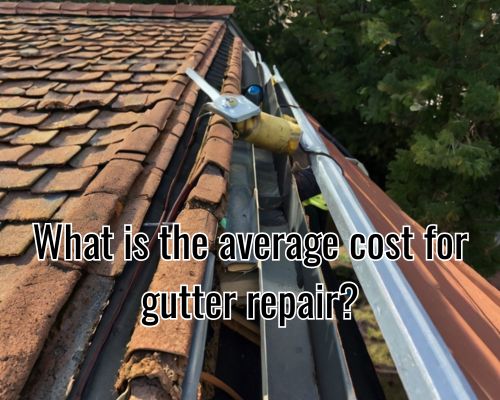
a roof with gutter

But what is the average cost for gutter repair in this sunny coastal city? The answer depends on various factors like materials, labor, property size, and the extent of the damage. With Gutters Of West Palm Beach, we explore the costs associated with gutter repair, key variables affecting pricing, and how local market conditions in Palm Beach County can influence your final bill.

Average Gutter Repair Cost in West Palm Beach

The average cost for gutter repair in West Palm Beach, FL, ranges between $150 and $600, with most homeowners spending around $350 for moderate repairs on a single-story home. Minor patchwork may cost as little as $75, while extensive damage requiring replacement of large sections or complex gutter systems can push costs north of $1,000.

General Price Breakdown:

Type of RepairCost Range (USD)
Minor Leak Sealing$75 – $150
Replacing a Section$150 – $300
Slope Adjustment$200 – $500
Full Gutter Replacement (20 ft)$600 – $1,200
Fascia or Soffit Repair$300 – $800

These prices reflect rates commonly found throughout South Florida, including Palm Beach Gardens, Lake Worth, and Boynton Beach.

Factors That Affect Gutter Repair Costs

Understanding what drives the cost of gutter repair helps homeowners make informed decisions. The most common variables include:

1. Extent of Damage

Small cracks or loose hangers are inexpensive fixes. However, if you’re dealing with rusted-out sections or gutters detaching from the roofline, expect higher costs due to replacement and labor.

2. Gutter Material

Different materials come with varied costs for both materials and labor. In West Palm Beach, popular gutter types include:

  • Aluminum gutters: Most common; lightweight and affordable at ~$5–$9 per linear foot.
  • Copper gutters: Premium choice; costs significantly more (~$15–$25/foot) due to material and installation complexity.
  • Vinyl gutters: Budget-friendly but less durable in Florida’s heat.
  • Galvanized steel: Durable, mid-range option that resists rust well in salty coastal air.

3. Property Height and Access

Two-story homes or properties with complex rooflines often require specialized equipment, increasing labor costs. Homes in areas like Historic Flamingo Park or El Cid may feature custom architecture that requires tailored solutions.

4. Labor Costs in West Palm Beach

The local labor market is another cost influencer. On average, gutter repair contractors in West Palm Beach charge $45 to $75 per hour. Local experts may charge more due to licensing, insurance, and demand—especially after hurricane season.

Gutter Repair or Gutter Replacement?

Sometimes, the damage may warrant a full replacement rather than a repair. This is especially true for older homes in Central West Palm Beach or those near Lake Mangonia, where tropical storms may have caused lingering water damage.

Signs you might need a full replacement:

  • Frequent clogging despite regular cleaning
  • Visible sagging or separation from the roofline
  • Rusted or corroded metal sections
  • Interior water stains near the ceiling or walls

Local Insight: West Palm Beach Weather and Gutter Wear

With an average annual rainfall of 63 inches, West Palm Beach ranks among the wetter cities in Florida. Frequent afternoon thunderstorms, especially in summer, put significant stress on gutter systems. Poor drainage in neighborhoods like Northwood or Riverwalk can lead to standing water that accelerates gutter degradation.

Additionally, Florida’s hurricane season (June–November) can lead to unexpected damage, highlighting the importance of preemptive inspections and repairs.

Local Service Providers and What to Look For

Several reputable gutter repair companies in West Palm Beach offer affordable and reliable services. Whether you’re in Palm Beach Lakes, Villages of Palm Beach Lakes, or Downtown WPB, it’s important to hire licensed and insured contractors.

Look for:

  • Free on-site estimates
  • Experience with Florida building codes and HOA requirements
  • Knowledge of local roofing styles (e.g., tile roofs, flat roofs), see Gutters Of West Palm Beach
  • 5-star Google or Yelp reviews from West Palm Beach residents

Gutter Maintenance Tips for West Palm Beach Homeowners

Reduce the frequency and cost of repairs by implementing preventive maintenance:

  • Clean gutters at least twice a year (especially after summer storms)
  • Install gutter guards to prevent clogging from palm fronds and oak leaves
  • Check for leaks and sagging after major storms
  • Ensure downspouts direct water away from the foundation

These proactive steps can significantly reduce the likelihood of costly emergency repairs and extend your gutter system’s lifespan.

Insurance Coverage and Tax Considerations

While most homeowners insurance policies in Florida won’t cover routine wear and tear, you may be covered for storm-related damage, particularly if the gutters were compromised by wind-blown debris or fallen tree limbs.

Also, if gutter damage leads to mold or interior damage, you may be eligible for broader coverage. Always document the damage with photos and get an inspection report from a licensed contractor in West Palm Beach.

For business or rental properties, gutter repair costs may be tax-deductible under property maintenance. Speak with a Florida-based CPA for personalized guidance.

Conclusion: Understanding the Real Cost of Gutter Repair in West Palm Beach

So, what is the average cost for gutter repair in West Palm Beach, Florida? While the figure typically hovers around $350, the final price tag depends on a host of factors—ranging from materials and labor to weather and accessibility.

In the ever-changing tropical climate of South Florida, regular inspection and maintenance are not just recommended—they’re essential. Partnering with a trusted local contractor ensures you catch issues early, avoid escalating damage, and preserve the long-term integrity of your property.

If you’re a homeowner in West Palm Beach, now is the perfect time to check your gutters and schedule a repair estimate—before the next downpour makes the problem much worse.

Should Gutter Cleaning Mean Washing? A Complete Guide for Melbourne Homeowners

Should Gutter Cleaning Mean Washing? A Complete Guide for Melbourne Homeowners

When it comes to home maintenance in Melbourne, Australia, gutter cleaning is often a task that’s overlooked until it causes significant damage. But a common point of confusion among property owners is this: Should gutter cleaning mean washing as well? Is a quick debris removal sufficient, or should water be involved for a thorough clean?

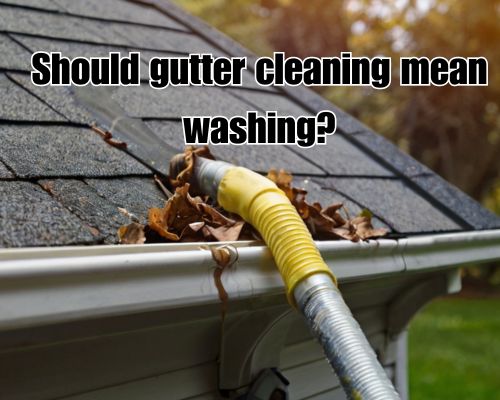
Gutter cleaning needed for leaves.

With Gutter Cleaning Melbourne, we explore the real meaning of gutter cleaning, whether washing should be a standard part of the process, and what’s most appropriate for Melbourne’s unique urban and suburban environments. We’ll also explore cost-effective tips, seasonal timing, and the impact of weather patterns specific to Victoria.

Understanding Gutter Cleaning: More Than Just Debris Removal

Gutter cleaning typically refers to the removal of leaves, twigs, sludge, and other debris from your roof gutter system. However, in many professional services—especially across Melbourne suburbs like St Kilda, Brunswick, and Box Hill— like Gutter Cleaning Melbourne, cleaning may also include flushing the gutters and downpipes with water to remove stubborn grime or sediment buildup.

This gives rise to the keyword inquiry: Should gutter cleaning mean washing?

The answer depends on several factors, including:

  • Gutter material and age
  • Amount of buildup
  • Climate exposure
  • Nearby vegetation
  • Frequency of maintenance

Why “Washing” Is Often a Necessary Part of Gutter Cleaning in Melbourne

Melbourne’s seasonal weather—particularly autumn leaf fall, winter rains, and storm winds—means your gutters are likely to accumulate not just dry leaves but moist organic matter. Over time, this breaks down into sludge that clogs drainage channels.

Washing or flushing gutters with water helps:

  • Break down sticky residue that scraping can’t remove
  • Clear downpipes that may be blocked below the surface
  • Test water flow, ensuring your gutters are draining correctly
  • Prevent mould, mildew, and rust, particularly on older steel gutters

Local experts in areas like Doncaster and Richmond often recommend a wet flush at least once a year, especially before Melbourne’s wetter months from May to September.

Dry Clean vs. Wet Clean: Pros and Cons

Let’s examine the difference between dry and wet gutter cleaning and which is better suited to Melbourne homes.

MethodDescriptionProsCons
Dry CleanManual removal of debris without waterQuick, less mess, cheaperDoesn’t remove sludge or test flow
Wet Clean (Washing)Flushing with hose or pressure washerComprehensive, flushes grime, checks drainageSlightly more expensive, may require water access

In bushy suburbs like Eltham or Greensborough, where eucalyptus trees are abundant, wet cleaning helps remove sticky gum leaves and detritus that dry methods miss.

Should You DIY or Hire a Professional?

If you’re debating whether to clean and wash your gutters yourself or hire a local service in Melbourne, consider:

  • Safety: Climbing ladders is risky, especially on double-storey homes in areas like Toorak or Camberwell.
  • Tools: Proper gutter washing requires hoses, scoopers, and possibly gutter vacuums or pressure washers.
  • Experience: Pros know how to avoid damaging tile roofs or older Colorbond gutter systems.

Most licensed Melbourne gutter cleaners offer both basic debris removal and optional gutter washing as an add-on. Many also include a roof inspection and can identify minor issues like cracked flashing or sagging sections.

How Often Should You Wash Your Gutters in Melbourne?

Here’s a seasonal guide for Melbourne-based gutter maintenance:

  • Autumn (March–May): Prime season for leaf fall. Clean and possibly wash.
  • Winter (June–August): Flush and check for blockages due to heavy rains.
  • Spring (September–November): Minor clean-up. Spot washing if birds or pests have nested.
  • Summer (December–February): Fire-prone season. In outer suburbs near bushland, ensure gutters are clean and dry.

For most properties, washing the gutters once a year, paired with dry cleaning every six months, offers a balanced and cost-effective approach.

What Does Gutter Cleaning Cost in Melbourne?

In 2025, average gutter cleaning prices across Melbourne range between:

  • $150–$300 for a single-storey house
  • $250–$500 for double-storey
  • Add $50–$100 for full wet washing or downpipe flushing

Costs can vary depending on your roof size, pitch, and tree density, especially in leafy areas like Surrey Hills or Kew.

Always check if the quote includes washing. Many providers market “gutter cleaning” but exclude washing unless specified.

Signs Your Gutters Need Washing, Not Just Cleaning

Here’s how to know it’s time to wash those gutters:

  • Persistent overflowing during rain despite debris removal
  • Black stains or green moss on gutter sides
  • Musty smell near eaves or walls
  • Water pooling at the base of your property
  • Rainwater not reaching downpipes

Ignoring these signs can lead to foundation issues, roof rot, and interior ceiling leaks—all of which are preventable with regular washing.

Final Verdict: Should Gutter Cleaning Mean Washing?

💡 Yes, in most Melbourne homes, gutter cleaning should include washing—especially if it hasn’t been done in over a year or your property is surrounded by vegetation. While basic cleaning removes the visible mess, washing ensures that drainage functions properly and prolongs the life of your gutters and roofline.

Whether you’re in inner-city Carlton, beachside Brighton, or bushland-adjacent Warrandyte, investing in occasional gutter washing can save you thousands in repairs later.

Local Tip: Combine Gutter Washing with Roof Inspection

For Melbourne residents booking annual maintenance, consider bundling gutter washing with a roof and solar panel inspection. With the city’s varying weather, keeping your entire rooftop ecosystem clean boosts efficiency, especially for homes with solar PV systems.

Call to Action: Don’t Just Clean – Wash Smart!

If you’re searching for “gutter cleaning services near me in Melbourne”, make sure to ask: Does your quote include gutter washing? That one question could make the difference between a temporary fix and a long-term solution.

🧰 Ready to wash away the risk? Contact a certified Melbourne gutter maintenance expert today and give your home the clean edge it deserves—inside and out.

Cover for a Pool: Complete Guide to Safety, Style, and Savings

Are you wondering which pool cover is best for your needs? The right cover protects your pool from debris, improves safety, saves energy, and reduces maintenance time – but choosing between the many options requires understanding their unique benefits and limitations.

Key Takeaways

  • Safety covers must meet specific standards to protect children and pets
  • Hydraulic automatic covers offer the highest level of protection and convenience
  • Slatted covers combine elegance with temperature regulation benefits
  • Manual covers provide affordable protection with upgrade possibilities
  • Track systems determine installation options and aesthetic appearance
  • Quality covers save money on heating, chemicals, and water in the long run

What Types of Pool Covers Provide the Best Protection?

When shopping for a swimming pool cover, you’ll need to consider what matters most to you:

  1. Safety – Will children or pets have access to the pool area?
  2. Convenience – How often will you use the pool?
  3. Budget – What’s your price range for initial investment?
  4. Climate – Do you need heat retention or winter protection?

Each type of cover answers these questions differently. Let’s explore your options!

Hydraulic Automatic Safety Covers: The Ultimate Protection

The Poollock Hydraulic Automatic Safety Cover represents the gold standard in pool protection. What makes it special?

  • Operated by a hydraulic ‘direct drive’ system with a simple key turn
  • Power Pack located away from water (next to pool pump) for enhanced safety
  • Impressive operation speed (under 60 seconds to open/close)
  • Exceptional weight capacity (up to 250 kg per m²)
  • Works for pools from small (5m x 3m) to massive (25m x 8m)

This system eliminates electrical hazards near the pool while providing a secure barrier that can support significant weight—making it the ultimate safety solution for families.

Slatted Automatic Covers: Elegant and Functional

For those seeking style without sacrificing function, slatted automatic covers offer an attractive solution:

  • Custom-made for any pool shape and size
  • Available in polycarbonate or PVC slats
  • Increase pool temperature and reduce evaporation
  • Operate with the touch of a button or turn of a key

⚠️ Important safety note: Slatted covers require either a safety ledge or stainless steel handrail to function as proper safety covers, preventing objects from slipping between the pool wall and cover.

Manual Cover Systems: Affordable Protection

Not ready for the investment in a fully automatic system? The PoolLock V5M Easy Glide provides excellent protection at a lower price point:

  • Built-in gear technology (4:1 ratio) makes operation easier
  • Removable crank handle adds safety
  • Can be upgraded to automatic system later
  • Great “stepping stone” option for budget-conscious pool owners

Additional Pool Cover Types for Different Needs

Cover TypeBest ForSafety RatingApproximate Cost Range
Mesh SafetyOff-season useGoodR12,000-R25,000
Solid VinylComplete protectionVery GoodR15,000-R30,000
SolarHeat retentionPoorR3,000-R8,000
WinterSeasonal protectionPoorR5,000-R12,000

A proper swimming pool safety cover must meet ASTM F1346-91 standards, supporting at least 485 pounds to protect children and pets from accidental falls.

Pool Cover Track Systems and Installation Options

Your swimming pool cover roller and track system determine both aesthetics and functionality:

  • Under-track systems: Hidden from view, excellent for new pool construction
  • Recessed top-track: Good option for existing pools, less visible
  • Deckmount: Easiest to install but more visible

Rectangular pools work with most systems, while freeform pools may require specialized solutions.

Automatic vs. Manual: Making the Right Choice

Are you wondering if an automatic cover is worth the investment? Consider these factors:

  • Convenience: Automatic covers operate with one touch
  • Physical effort: Manual covers require cranking or pulling
  • Cost difference: Automatic systems typically cost 3-4x more (R45,000-R100,000 vs. R12,000-R25,000)
  • Usage frequency: Daily users benefit most from automatic systems

Climate and Cost Considerations

In South Africa’s varied climate:

  • Hot regions benefit from solar covers or polycarbonate slats
  • Areas with heavy rainfall need covers with proper drainage
  • Winter protection becomes important in colder regions

While automatic covers have higher upfront costs (R45,000+), they typically last 7-10 years and reduce heating costs by up to 70%, chemical use by 35-60%, and water evaporation by 90-95%.

Environmental and Safety Benefits

A quality swimming pool cover for sale offers impressive benefits:

  • Saves thousands of liters of water annually
  • Reduces chemical usage significantly
  • Cuts heating costs dramatically
  • Prevents accidental drowning (safety-rated covers only)

Pool Cover Maintenance Tips

  • Remove debris regularly to prevent damage
  • Clean with mild soap and water (avoid harsh chemicals)
  • Check tracks and mechanisms for smooth operation
  • Store removable covers properly when not in use
  • Schedule professional inspection annually

Looking for swimming pool covers near me? Local experts can help assess your specific needs and installation requirements.

Conclusion

The ideal cover for a pool balances safety, convenience, and budget. Automatic covers offer maximum protection and ease, while manual options provide affordable alternatives. Consider your climate, usage patterns, and safety needs when making this important investment.

Which Roof Is Likely to Be the Most Expensive? A New Jersey Homeowner’s Guide to High-End Roofing Choices

Which Roof Is Likely to Be the Most Expensive? A New Jersey Homeowner’s Guide to High-End Roofing Choices

If you’re a homeowner or developer in New Jersey, you may be asking yourself, “Which roof is likely to be the most expensive?” Whether you’re building a luxury home in Bergen County, replacing a historic roof in Essex County, or simply upgrading your property in Monmouth County, understanding the most costly roofing options available can help you budget more accurately and make a well-informed decision.

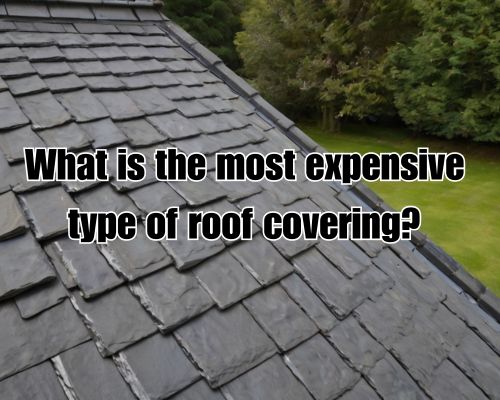
an expensive roofing installed

Let’s break down the roofing materials and systems that come with premium price tags—and explore why they’re so expensive in the unique housing market and climate of New Jersey.

The Cost of Roofing: More Than Just Materials

When people think of roofing expenses, they often consider just the material. But the total cost of a roof includes:

  • Material cost per square foot
  • Complexity of installation
  • Labor costs in New Jersey
  • Local roofing permit requirements
  • Energy efficiency and lifespan
  • Specialty finishes or architecture (e.g., steep slopes or dormers)

In NJ, where weather conditions range from snowy winters to humid summers, selecting the right climate-resistant material is essential—and premium options are built to endure.


Top Contenders: The Most Expensive Roofing Materials in NJ

Here are the most premium roofing systems available in New Jersey, ranked from high-end to the ultra-elite tier:

1. Natural Slate Roofing – The King of Roofing Costs

Average cost in New Jersey: $30–$50 per square foot (installed)

Slate is a natural stone known for its timeless aesthetic, durability, and luxurious status. It’s a common sight on historic homes throughout Princeton, Hoboken, and high-value neighborhoods in Short Hills.

Why it’s expensive:

  • Extremely heavy (requires reinforced roofing structure)
  • Requires skilled NJ contractors like CJ Commercial Roofing NJ for precise installation
  • Difficult and time-consuming to install
  • Can last over 100 years, increasing value over time

Ideal for:

  • Historic home restorations
  • Luxury custom builds
  • High-end properties aiming for a premium resale value

2. Copper Roofing – Architectural Art Meets Function

Average cost in NJ: $25–$40 per square foot

Copper isn’t just a roofing material—it’s a statement piece. Its striking appearance and ability to patina into a bluish-green over time make it a favorite for custom homes, government buildings, and upscale estates in Morris County and Somerset County.

Why it’s so pricey:

  • Material cost is sky-high due to copper’s market value
  • Requires specialized labor and tools
  • Offers extreme longevity—up to 100 years
  • Highly resistant to fire, mold, and pests
  • Low maintenance and recyclable

Note:

Copper roofing is often used in accents, dormers, or turrets—but full-roof copper installations are a rare and exclusive choice.

3. Clay Tile Roofs – Mediterranean Vibes in New Jersey

Cost in NJ: $20–$35 per square foot

Clay tiles, often associated with Spanish-style architecture, are heavy-duty, long-lasting, and visually distinctive. While more common in warmer states, high-end homes in South Jersey coastal areas like Cape May may use clay tile for its style and weather resistance.

Pros:

  • Natural thermal insulation
  • Can last 50–100 years
  • Eco-friendly and fire-resistant

Cons:

  • Heavy and fragile
  • High installation labor costs
  • Requires roof reinforcement

4. Standing Seam Metal Roofs – Modern Luxury

Average cost in NJ: $12–$20 per square foot

Metal roofing—especially standing seam panels—is now seen on modern farmhouse-style and luxury eco-homes in areas like Hunterdon County. With sleek lines and solar panel compatibility, it’s popular among sustainability-focused homeowners.

High costs come from:

  • Custom fabrication
  • Skilled labor for waterproof seams
  • Insulation and underlayment complexity

Bonus:

Metal roofs reflect heat, making them energy efficient—a major plus for New Jersey summers.

Labor & Logistics: Why NJ Roofs Cost More

In New Jersey, roofing labor rates are higher than in many other states, particularly in metro-adjacent zones like Jersey City and Newark. Union rules, labor insurance, and material delivery costs all contribute to the elevated price.

Plus, permitting costs vary by county. For instance, Middlesex County may require additional inspections or engineering if you’re installing heavy materials like slate or clay.

Lifespan vs. Cost: Is the Investment Worth It?

Roofing TypeLifespanAverage Installed Cost (NJ)
Slate100+ years$30–$50 per sq. ft.
Copper80–100 years$25–$40 per sq. ft.
Clay Tile50–100 years$20–$35 per sq. ft.
Metal (Standing Seam)40–70 years$12–$20 per sq. ft.

When you compare this to asphalt shingles—which cost around $4–$7 per sq. ft. but only last 15–30 years—the investment in premium roofing becomes more logical for long-term value and curb appeal.

Climate Considerations: NJ-Specific Factors

New Jersey’s four-season climate requires roofs that can:

  • Handle snow load
  • Resist salt spray in coastal areas
  • Withstand thunderstorms and hail
  • Be energy-efficient during humid summers

Materials like slate and metal handle temperature fluctuations well. Clay tiles, while elegant, may crack during extreme freeze-thaw cycles unless specially treated.

Do Expensive Roofs Increase Home Value in NJ?

Absolutely. According to Zillow and NJ real estate professionals, homes with premium roofing can command significantly higher listing prices—especially in competitive markets like Chatham, Montclair, or Asbury Park. A slate or copper roof can add tens of thousands in perceived value, particularly in historically zoned districts where aesthetic integrity matters.

Final Thoughts: Which Roof Is Most Expensive in New Jersey?

The answer is: Natural slate, followed closely by copper. But the most expensive roof isn’t just about materials—it’s about:

  • Labor intensity
  • Permitting challenges
  • Structural reinforcements
  • Custom craftsmanship

So when asking “Which roof is likely to be the most expensive?”—know that in New Jersey, it’s not just the stone or metal you’re paying for—it’s a long-term investment in durability, prestige, and architectural excellence.

Pro Tip: Work With Specialized NJ Roofing Contractors

Whether you’re in Cherry Hill, Trenton, or Hackensack, make sure to:

  • Request quotes from licensed and insured roofers like CJ Commercial Roofing NJ
  • Check for slate or metal roofing experience
  • Verify local permit requirements
  • Ask about lifetime warranties on high-end roofs

A quality installation ensures that your premium roof performs as well as it looks—for decades to come.

How to Do Commercial Roofing Estimates in New Jersey: A Comprehensive Guide

How to Do Commercial Roofing Estimates in New Jersey: A Comprehensive Guide

When it comes to commercial roofing in New Jersey, accuracy in estimating is not just a nice-to-have — it’s essential. Whether you’re a roofing contractor expanding into larger projects or a property owner trying to understand a roofing quote, mastering the commercial roofing estimate process ensures better budgeting, smoother project execution, and healthier business margins.

Roofer updates the estimate sheet.

In this guide, we’ll walk through how to do commercial roofing estimates, specifically tailored to the New Jersey market. From evaluating square footage to accounting for regional labor costs and code compliance, this article breaks down everything you need.

Why Accurate Commercial Roofing Estimates Matter

In the high-stakes world of commercial construction, roofing is a significant line item. An inaccurate estimate can mean:

  • Lost contracts (if overpriced)
  • Profit loss (if underpriced)
  • Project delays (due to unforeseen costs)

Especially in New Jersey, where commercial real estate is booming — from Jersey City office buildings to distribution centers in Newark — the competition among roofing companies is fierce. Having a reputation for precise and fair estimates sets a roofing contractor apart.

Key Factors That Influence Commercial Roofing Estimates

1. Roof Size and Complexity

Commercial roofs are rarely simple. From large flat roofs to multi-tiered structures with HVAC units, estimating begins with accurate measurements.

  • Use drone surveys or satellite imagery tools like EagleView to determine square footage.
  • Account for parapet walls, drainage systems, and penetrations (vents, skylights).

Example: A 20,000-square-foot TPO roof in Trenton will have a vastly different cost than a 5,000-square-foot metal retrofit in Princeton.

2. Roofing Material Costs

Different materials bring different price points and installation complexities. In New Jersey, TPO (thermoplastic polyolefin), EPDM, modified bitumen, and metal roofing are popular for commercial builds.

MaterialAvg Cost/Sq Ft (Installed in NJ)Notes
TPO$4.50 – $7.50Energy-efficient, UV-resistant
EPDM$4.00 – $8.00Durable in colder climates
Metal$7.00 – $12.00Longevity + minimal maintenance
Modified Bitumen$4.50 – $9.00Good for low-slope roofs

Salient entity tip: Always mention energy codes in New Jersey when discussing TPO and EPDM — it positions your business as code-savvy.

3. Labor Rates in New Jersey

Labor is a major cost driver in any roofing estimate. According to recent data from the New Jersey Department of Labor, commercial roofing labor averages:

  • $55–$85 per hour in metro areas like Newark, Hoboken, and Jersey City
  • $45–$65 per hour in more suburban zones like Toms River or Cherry Hill

Skilled union labor, prevailing wage laws (especially on public projects), and project complexity all factor in.

4. Local Regulations and Permits

A proper commercial roofing estimate in New Jersey must include permit fees and inspection costs.

Key LSI keywords to include:

  • NJ Uniform Construction Code (UCC)
  • Local building permits
  • Fire-resistant roof assembly codes

In Newark and Elizabeth, expect roofing permits to range from $200 to $1,200 depending on the roof size and scope.

5. Tear-Off and Disposal

Older commercial roofs — especially in historic zones like Paterson — often require full tear-offs. That means estimating:

  • Debris disposal fees
  • Dumpster rentals
  • Asbestos testing/remediation (if built pre-1980s)

Salient detail: In New Jersey, roofing waste disposal typically costs $45–$90 per ton depending on the material.

6. Weather and Seasonal Timing

Yes, even the weather in New Jersey can influence estimates.

  • Cold winters in the north (e.g., Montclair, Morristown) mean heated adhesive options and potential project delays.
  • Rainier months increase installation risks and insurance costs.
  • Summer demand hikes may spike labor pricing by 10–15%.

Mentioning weather-based contingency planning in your estimate shows professionalism and foresight — boosting trust.

How to Structure a Commercial Roofing Estimate in NJ

Here’s a basic template for formatting a professional roofing estimate:

📄 Commercial Roofing Estimate Example (Excerpt)

Client: Atlantic Logistics Warehouse
Location: Edison, NJ
Roof Type: Flat roof – TPO membrane
Area: 12,000 sq ft

ItemCost Estimate
Labor (Estimated 180 hrs)$13,500
Materials (TPO + insulation)$56,000
Tear-Off & Disposal$6,200
Permits & Inspections$1,100
Equipment & Safety Gear$2,500
Contingency (5%)$3,970
Total Estimate$83,270

Including breakdowns per line item builds client trust and supports transparent negotiation. See roofing contractors for more.

Tools and Tech for Accurate Estimates

Consider using:

  • RoofSnap or JobNimbus: Roofing estimate software
  • Google Earth Pro + CAD tools for scaling
  • Cost databases (e.g., RSMeans) adjusted for New Jersey zip codes
  • Thermal imaging for leak/moisture detection pre-estimate

These tools not only increase your estimate accuracy but also improve efficiency, scalability, and reputation — especially for fast-paced jobs in commercial hubs like Secaucus, NJ or Bridgewater.

Local Insights: Estimating for NJ Commercial Clients

Understanding local nuances gives you a competitive edge:

  • Insurance Requirements: Many commercial clients in NJ demand proof of full liability and workers comp before even accepting an estimate.
  • Union Considerations: Projects in Essex County or Union County often require union crews, influencing both labor and timeline.
  • Energy Rebates: NJ’s Clean Energy Program may incentivize energy-efficient roofing upgrades — factor this into your pitch.

Tip: Partnering with local NJ architects and engineers gives your roofing estimate more credibility on commercial bids.

Final Thoughts: Estimating to Win in New Jersey

Knowing how to do commercial roofing estimates in New Jersey isn’t just about math — it’s about mastering the intersection of construction science, local laws, and business strategy.

To succeed:

  • Tailor each estimate with local costs and compliance in mind.
  • Be transparent and proactive with clients.
  • Use tech tools to boost accuracy and speed.

Whether you’re quoting a 5-story office in Jersey City or a strip mall in Cherry Hill, a solid estimate builds trust — and a thriving roofing business.

-