Peptide Research and Health What the Evidence Reveals
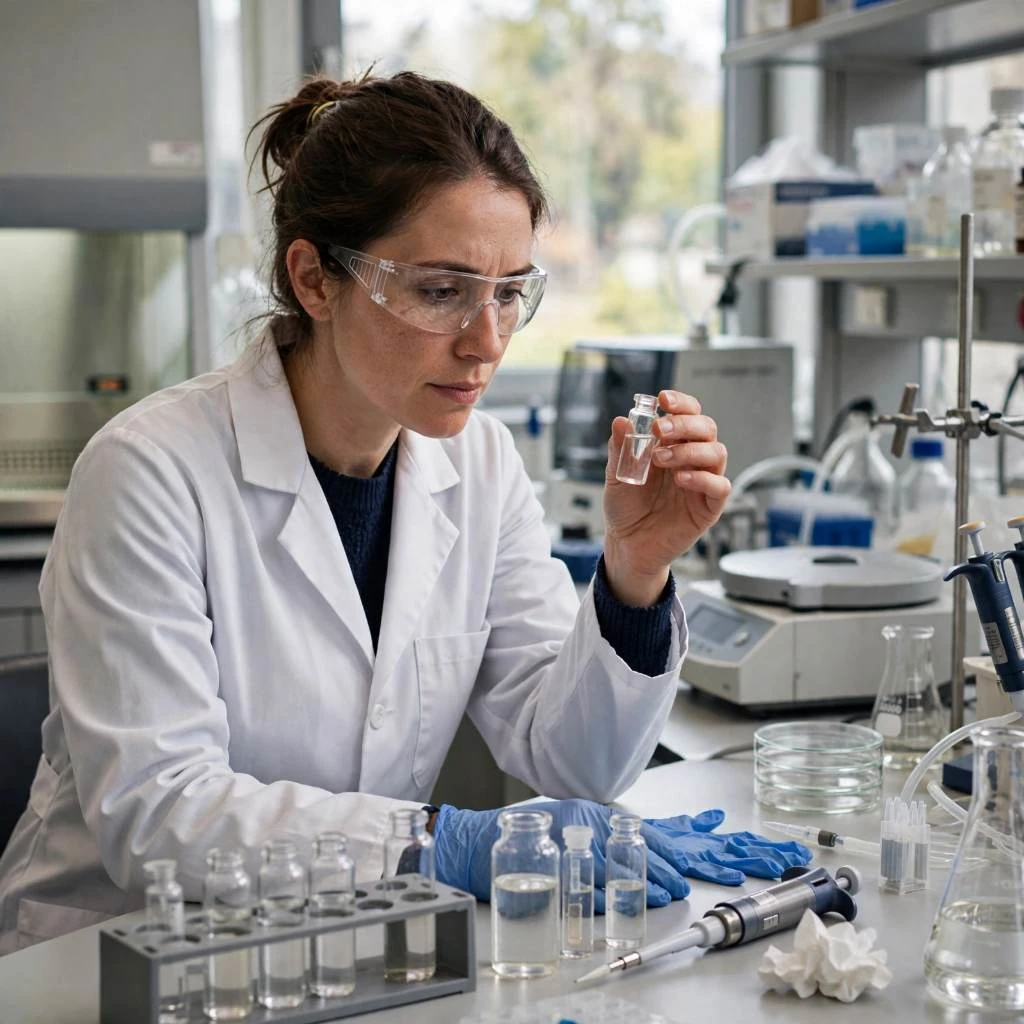
Researcher Examining Peptide Vial

Why Peptides Are Receiving More Attention

Peptides have moved from a specialized scientific subject into wider conversations about health, biotechnology, and biomedical innovation. Their presence in biological processes has encouraged researchers to investigate how different peptide structures behave and what roles they may play in the body. Yet growing interest also creates a need for accurate information about research materials and scientific evidence. If you want to explore the original discussion alongside this perspective, read the full article before drawing conclusions from individual claims, product descriptions, or isolated research findings.

Small Molecules With Complex Roles

Although peptides are often described simply as short chains of amino acids, their biological behavior can be considerably more complex. Differences in amino-acid sequence and molecular structure can influence how an individual peptide interacts with biological systems. Some naturally occurring peptides participate in signaling and regulation, while researchers are investigating others for potential applications in biomedical science. Because each peptide is different, information about one compound should not automatically be applied to another. The specific molecule, research setting, and available evidence all matter.

Why Research Cannot Be Reduced to a Headline

Scientific studies often provide only one part of a much larger picture. An experiment conducted in a laboratory may reveal an interesting biological mechanism, while animal research can provide additional information about how a substance behaves in a living system. Neither necessarily establishes that the same result will occur in humans. Clinical investigations require their own evidence and carefully defined conditions. This is why readers should look beyond attention-grabbing claims and consider the type of study, its methodology, the population examined, and whether its findings have been independently supported.

Hidden Importance of Sample Integrity

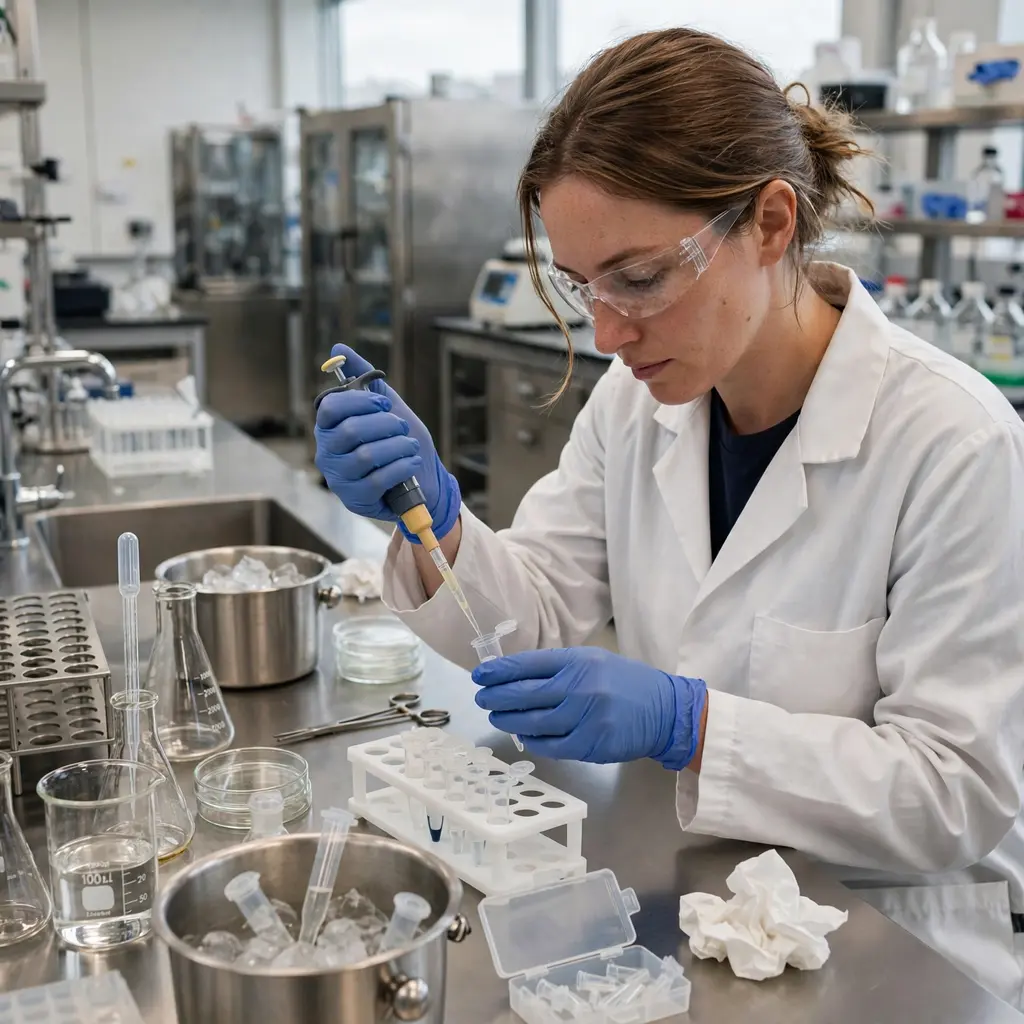
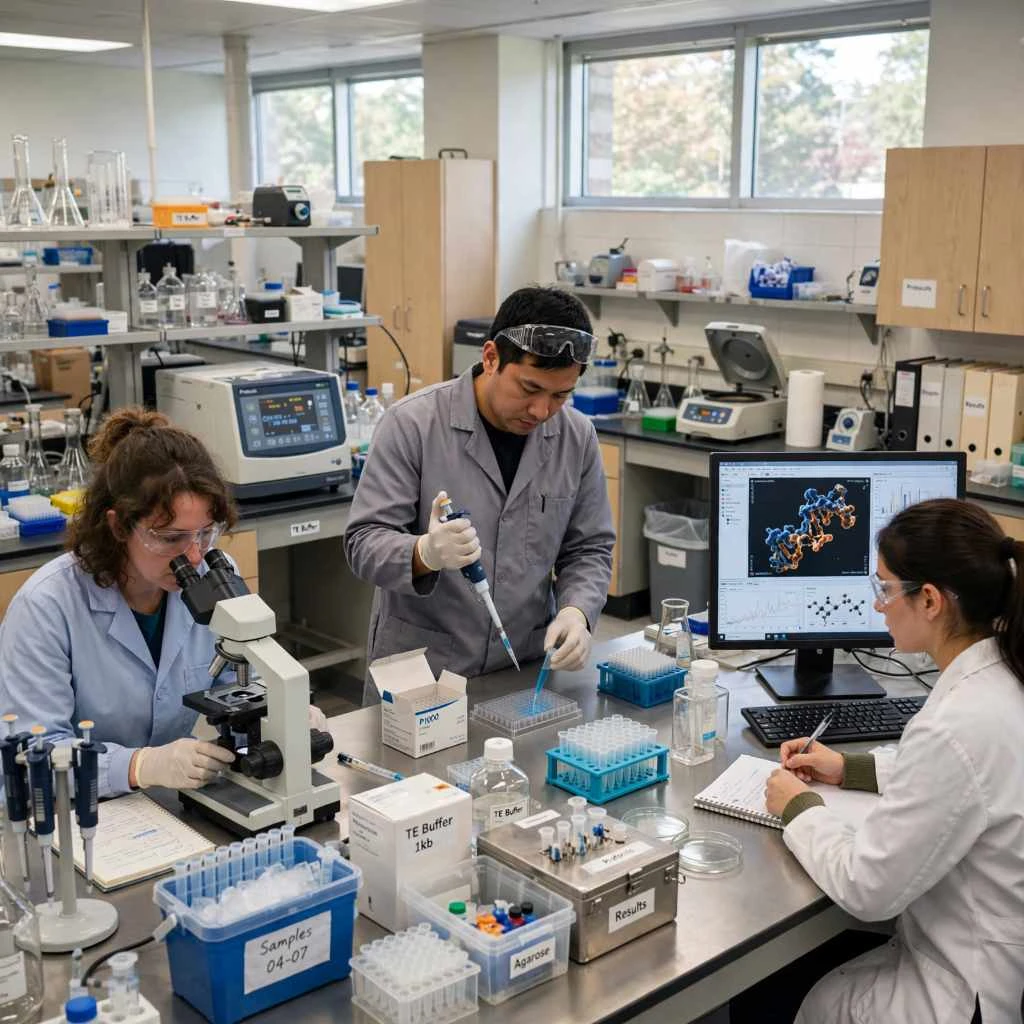
When scientists investigate peptides, the material being tested must be properly characterized. A sample that contains unexpected impurities, has degraded during storage, or differs from its stated identity can complicate the interpretation of an experiment. Analytical testing is therefore an important part of laboratory work. Researchers may evaluate characteristics such as identity, purity, concentration, and stability depending on the purpose of the investigation. Good sample documentation provides valuable context and can help laboratories maintain consistency when experiments are repeated or results are compared.

Peptide Certificate Verification Process

Finding Credible Scientific Information

Readers interested in the scientific side of peptide research can explore peer-reviewed biomedical literature and established research databases. The National Center for Biotechnology Information (NCBI) provides access to a large collection of biomedical literature and scientific resources that can help place peptide-related findings in context. Research papers can reveal how investigators studied a particular peptide, what methods they used, and what limitations they identified. Examining original scientific literature is often more informative than relying exclusively on promotional descriptions or simplified online summaries.

What Testing Documents Can Tell You

Laboratory documentation can add another layer of transparency to peptide research. One commonly encountered document is a Certificate of Analysis, or COA. Depending on the laboratory and testing process, a COA may contain information about sample identification, measured purity, analytical techniques, testing dates, and reported results. However, the presence of such a document does not automatically establish that a substance is medically approved or suitable for human consumption. Its value depends on the quality of the testing, the laboratory’s methods, and whether the documentation can be properly connected to the sample being discussed.

Storage and Handling Also Matter

Even a well-characterized material can be affected by storage and handling conditions. Temperature, moisture, light exposure, packaging, and time can influence the stability of certain compounds. For laboratory researchers, maintaining appropriate storage conditions is part of protecting the integrity of an experiment. When samples are improperly handled, changes in composition may introduce uncertainty into subsequent testing. This is one reason professional laboratories pay close attention to sample preparation, storage protocols, identification, and chain-of-custody procedures.

Comparing Different Types of Research

Not all scientific evidence carries the same weight. A laboratory observation, an animal study, an observational human study, and a controlled clinical trial answer different questions. Early research can be valuable because it helps scientists identify mechanisms worth investigating, but it may not establish real-world effectiveness or long-term safety. Readers evaluating peptide-related health information should therefore consider where a claim sits within the broader evidence hierarchy. Strong conclusions generally require multiple lines of well designed research rather than one promising experiment.

More Informed View of Peptide Science

The growing interest in peptides reflects the wider development of modern biomedical research, but enthusiasm should remain balanced with scientific scrutiny. Understanding what a peptide is, how researchers study it, how samples are tested, and how evidence develops over time can provide a clearer perspective. Quality documentation and reproducible laboratory methods are important because scientific conclusions depend on the integrity of the materials and methods behind them. As peptide research continues to develop, careful interpretation can help readers distinguish genuine scientific progress from claims that go beyond the available evidence.


Laboratory Peptide Purity Analysis

Top Group Health Insurance Providers for Businesses

Employer Benefits Planning Session

Why Group Health Coverage Matters for Businesses

For modern businesses, offering health insurance for employers has become more than just an employee perk. It is a strategic investment that helps attract skilled professionals, improve workforce retention, and create a healthier, more productive workplace. As healthcare expenses continue to rise, employers must carefully evaluate insurance providers based not only on premiums but also on administrative support, flexibility, and long-term value. Selecting the right group health insurance partner can significantly impact both employee satisfaction and overall business performance.

Key Factors to Consider When Comparing Providers

Before choosing a group health insurance provider, employers should focus on their operational needs rather than simply comparing quotes. Factors such as enrollment management, compliance assistance, benefits customization, and employee support services play a vital role in the overall experience. Businesses should also consider whether they prefer a traditional broker, an HR-integrated platform, or an online marketplace. Evaluating these elements ensures that the selected provider aligns with company goals while making benefits administration easier and more effective.

Taylor Benefits Insurance Agency Best Overall Choice

Taylor Benefits Insurance Agency stands out as one of the strongest options for employers seeking a personalized and broker-led experience. The company specializes in group health insurance and offers a wide range of employee benefits, including medical, dental, vision, life, and disability coverage. One of its biggest advantages is the ability to compare multiple insurance carriers and create customized benefit packages tailored to specific business needs. Employers who value expert guidance throughout plan selection, renewal periods, and ongoing administration often find Taylor Benefits to be a reliable long-term partner.

Integrated Benefits and HR Management

Businesses looking for seamless integration between payroll, HR management, and employee benefits may find Gusto and ADP particularly appealing. Gusto is designed primarily for small businesses, combining payroll services with health insurance administration in a user-friendly platform. This integration simplifies deductions, enrollment processes, and employee management tasks. ADP, on the other hand, is well suited for growing and mid-sized organizations that require a more comprehensive workforce management system. Its extensive HR capabilities, combined with health insurance solutions, help businesses streamline administrative responsibilities while maintaining accurate records and compliance standards.

Small Business Coverage Team

Why Compliance and Industry Guidance Matter

Compliance is a critical aspect of managing group health insurance plans. Employers should work with providers that offer guidance on changing regulations and benefit requirements. Reliable information from trusted sources can help businesses make informed decisions and avoid costly errors. According to the U.S. Department of Labor’s ERISA guidance, most private-sector employer-sponsored health plans must comply with specific federal standards, highlighting the importance of selecting a provider that supports compliance and plan administration. Providers that help navigate these requirements can reduce administrative risks and improve overall efficiency.

Flexible Online Marketplace

For employers who prefer a more self-directed approach, eHealth offers a convenient online platform for comparing and purchasing group health plans. The marketplace allows businesses to explore various coverage options, including traditional group plans, level-funded plans, and Individual Coverage Health Reimbursement Arrangements (ICHRAs). Employers can review plans online while still having access to licensed agents for additional support when needed. This model appeals particularly to small businesses that want transparency, flexibility, and the ability to compare multiple coverage options before committing to a specific plan.

Comparing the Four Leading Providers

Each provider serves a different type of employer. Taylor Benefits excels in personalized brokerage services and comprehensive benefits planning. Gusto is ideal for small businesses that want health insurance integrated directly into payroll operations. ADP works best for companies seeking an all-in-one HR and workforce management ecosystem. eHealth offers value for employers who prefer online comparison shopping and a flexible purchasing process. Understanding these distinctions can help businesses narrow down their options and focus on solutions that align with their size, budget, and administrative preferences.

Making the Right Decision for Your Business

There is no universal solution when it comes to group health insurance. The best provider depends on an organization’s priorities, workforce size, and internal resources. Companies that need expert consultation and ongoing support may benefit from a broker-led approach, while those prioritizing efficiency may prefer integrated HR platforms or online marketplaces. By carefully evaluating coverage options, support services, and compliance assistance, employers can invest in a health insurance strategy that benefits both the company and its employees for years to come.

Conclusion

Choosing the right group health insurance provider requires balancing cost, convenience, employee needs, and administrative support. Taylor Benefits, Gusto, ADP, and eHealth each bring unique strengths to the market. Employers who take the time to assess their requirements and compare providers thoroughly are more likely to secure a benefits program that supports workforce well-being, enhances retention, and contributes to long-term business success.

Group Health Enrollment Discussion

Peptide Research Explained From Molecular Design to Modern Discovery

Innovative Peptide Discovery Laboratory

Peptides and the Changing Face of Biomedical Science

The world of peptide research sits at an interesting crossroads between biology, chemistry, medicine, and advanced technology. As scientific interest continues to grow, readers looking for deeper perspectives can read more from JP Donahue on Peptides Costa Rica official site while exploring how peptides are studied and developed. Rather than viewing peptides as a single category of compounds, it is useful to understand them as a broad family of molecules capable of interacting with biological systems in remarkably specific ways. This characteristic has made peptide research an important part of modern biomedical discovery.

Small Chains With Significant Biological Roles

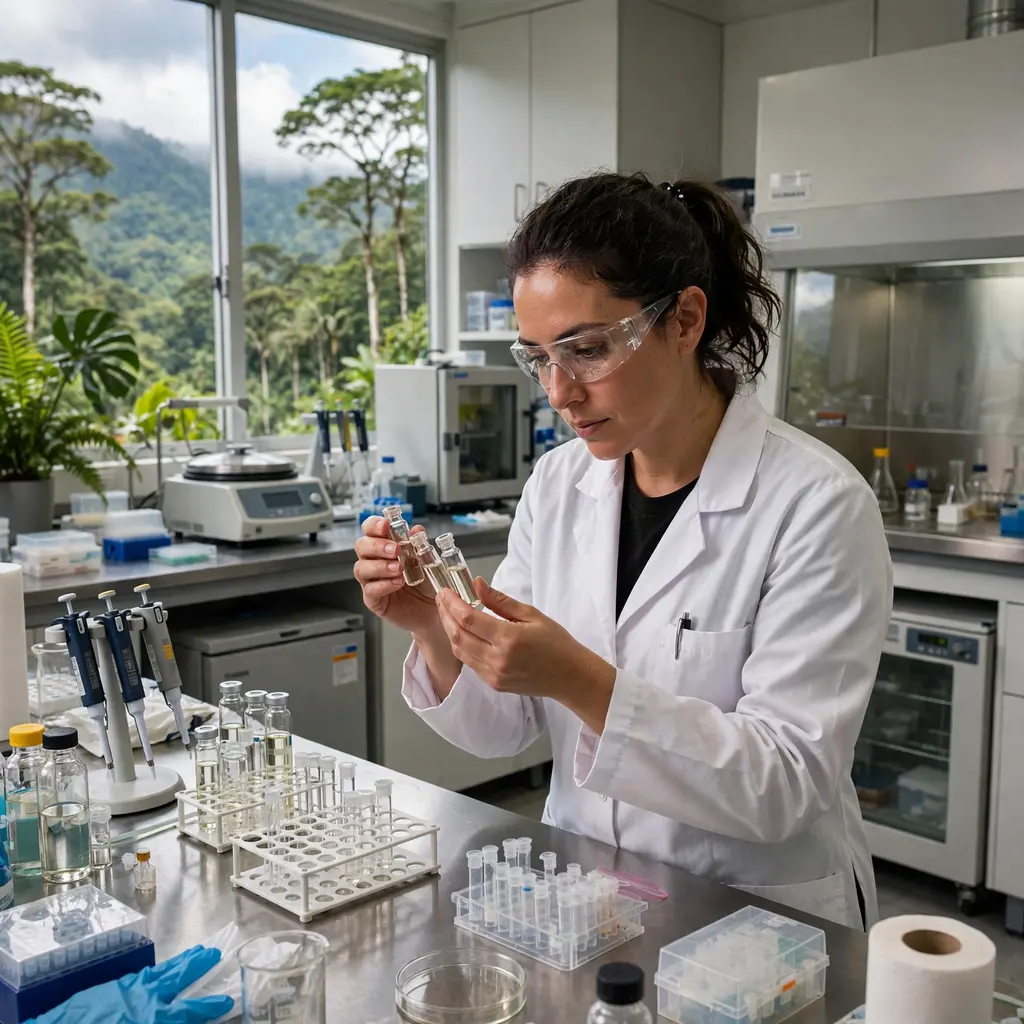
Peptides are composed of amino acids connected through peptide bonds, but their relatively small size does not mean they have simple functions. Within living organisms, peptides can participate in signaling, communication between cells, regulation of physiological processes, and numerous other biological activities. Their structures determine how they interact with receptors, enzymes, membranes, and other molecular targets. Researchers therefore study both the sequence and three-dimensional behavior of peptides when investigating their possible applications.

This molecular precision is one reason peptide-based research has attracted attention from pharmaceutical scientists. A carefully designed peptide may interact with a particular biological target while producing fewer unintended interactions than some less selective approaches. However, specificity alone does not guarantee a useful therapy. Researchers must also investigate stability, distribution, absorption, metabolism, and safety before determining whether a candidate has practical potential.

How Scientists Build Better Peptide Candidates

Modern peptide development combines traditional laboratory techniques with increasingly sophisticated molecular engineering. Scientists can alter amino acid sequences, introduce structural modifications, or design synthetic analogues to investigate how individual changes affect biological activity. These approaches allow researchers to examine which molecular characteristics contribute to potency, stability, selectivity, and other desirable properties.

Synthetic methods have also improved considerably. Solid-phase peptide synthesis, for example, has become a valuable technique for producing peptides in controlled laboratory settings. Once a sequence has been created, researchers can use analytical techniques to examine its identity and purity. This process helps establish whether the material being studied actually corresponds to the intended molecular design.

Why Stability Remains a Key Question

One of the recurring challenges in peptide research is stability. Because peptides are biological molecules, they can be affected by enzymes and other environmental conditions. A peptide that performs well during an initial laboratory experiment may behave differently when exposed to a complex biological environment.

Researchers therefore investigate strategies that may extend peptide stability without eliminating biological activity. Structural modifications, formulation technologies, and specialized delivery systems are among the approaches being studied. Each solution involves trade-offs, meaning that improving one property may affect another. This is why peptide development generally requires extensive experimentation rather than relying on a single modification.

Following the Evidence Behind Peptide Claims

Understanding the scientific evidence is particularly important when evaluating information about emerging peptide research. The National Center for Biotechnology Information (NCBI) provides access to biomedical publications and research databases that allow readers to explore scientific literature directly. Peer-reviewed studies can reveal whether a finding comes from laboratory experiments, animal research, observational data, or controlled human trials. These distinctions matter because results at one stage of research cannot automatically be applied to another. Looking at study methods, sample sizes, outcomes, and limitations provides a much clearer picture than relying on promotional descriptions or isolated claims.

Laboratory Research Documentation Analysis

Delivery Problem Scientists Are Tackling

Even a promising peptide can face practical obstacles if researchers cannot deliver it effectively. Many peptide molecules are vulnerable to degradation, while their physical and chemical characteristics can make absorption difficult. Oral administration presents particular challenges because peptides may encounter digestive enzymes and other harsh conditions before reaching circulation.

Scientists are exploring several delivery strategies to address these limitations. Injectable formulations, modified peptide structures, controlled-release technologies, and specialized carrier systems have all become subjects of investigation. The objective is not simply to make a peptide active, but to create a delivery approach that preserves its intended function under realistic biological conditions.

Where Peptide Research Is Expanding

The scientific interest surrounding peptides reaches across numerous research areas. Investigations have examined peptide-based approaches involving metabolic regulation, endocrine signaling, oncology, infectious diseases, cardiovascular research, and targeted drug delivery. Some peptide medicines have progressed through extensive clinical development and become established treatments, demonstrating the practical value of the field.

At the same time, experimental research continues to produce new candidates. Early findings can be encouraging, but they require additional validation before conclusions about clinical usefulness can be made. This gradual progression from laboratory observation to human evaluation is a central feature of responsible biomedical research.

Technology Is Reshaping Discovery

The next phase of peptide research may depend heavily on the interaction between biology and computational technology. Machine learning, molecular modeling, automated synthesis, and advanced analytical tools can help researchers evaluate larger numbers of potential peptide sequences. Computational approaches may also assist scientists in predicting molecular interactions before selected candidates enter extensive laboratory testing.

These technologies do not replace experimental science. Instead, they can help researchers prioritize promising possibilities and make discovery workflows more efficient. Combining computational predictions with laboratory validation may ultimately accelerate the identification of peptide candidates with useful biological properties.

Looking Beyond the Hype

Peptide science is advancing quickly, but separating genuine research progress from exaggerated claims remains essential. A molecule can have an interesting mechanism without having established clinical value, and promising laboratory results do not necessarily predict outcomes in people. Evaluating evidence according to its research stage helps create a more accurate understanding of what is known and what remains uncertain.

As peptide discovery becomes increasingly sophisticated, the field offers considerable opportunities for scientific innovation. Better molecular design, improved delivery systems, stronger analytical methods, and expanding biomedical knowledge could continue to broaden the possibilities. For readers following this rapidly changing area, the most useful approach is to remain curious while giving greater weight to credible research, transparent evidence, and scientifically established findings.

Molecular Peptide Analysis Study

Peptide Curiosity and Scientific Discovery Growing Conversation in Costa Rica

Researcher Viewing Molecular Structure

Where Scientific Interest Begins

Scientific topics often become popular long before the public fully understands the research behind them, and peptides are a clear example of this growing curiosity. Discussions about molecular science, biological signaling, and modern research have attracted attention from people interested in understanding how small chains of amino acids can influence complex biological processes. In the middle of this expanding conversation, link can serve as part of the wider online discussion surrounding peptide-related awareness and scientific interest. The most valuable starting point, however, is education. Understanding what peptides are, how researchers study them, and why scientific evidence matters allows people to explore the topic with greater knowledge rather than relying solely on popular opinions or simplified claims.

Small Molecules with a Complex Story

Peptides may be relatively small molecules, but the scientific questions surrounding them are remarkably complex. They are composed of amino acids arranged in specific sequences, and these sequences can influence how molecules interact within biological systems. Researchers investigate peptides because their structures and properties can provide useful information about cellular communication, molecular mechanisms, and biological activity. Different peptides can behave differently depending on their composition and surrounding conditions. This diversity makes peptide science an active area of investigation. Rather than representing one single category with identical effects, peptides form a broad scientific field that requires careful study, testing, and interpretation.

From Biological Signals to Research Questions

One reason peptide science continues to attract attention is its connection to biological communication. Living systems depend on countless molecular interactions, and researchers study how different compounds participate in these processes. Peptides can be involved in signaling pathways and other biological functions, creating opportunities for scientists to investigate how molecular activity takes place. Every research question can lead to additional questions about mechanisms, interactions, and possible applications. This is what makes scientific exploration so important. A discovery is rarely the final chapter of research. Instead, each finding can become the foundation for further investigation, testing, and a deeper understanding of how biological systems function.

Why Responsible Information Makes a Difference

The internet has made scientific information easier to access, but accessibility does not always guarantee accuracy. A person can find hundreds of statements about peptides within minutes, yet those statements may differ greatly in quality and scientific support. Responsible readers should consider where information originates and whether claims are supported by credible research. Scientific studies should be interpreted within their proper context because preliminary findings may not provide final answers. Study design, research methods, sample size, and limitations all influence how results should be understood. Developing the habit of asking questions about evidence can help people move beyond attention-grabbing headlines and toward a more informed understanding of scientific topics.

Laboratory Peptide Experiment Conducting

Exploring Scientific Literature Through NCBI

For readers interested in examining biomedical research more closely, the National Center for Biotechnology Information (NCBI) is an important authority for accessing scientific and biomedical information. Its databases provide researchers, students, and curious readers with opportunities to explore published literature and learn more about topics connected to biology and molecular science. Searching scientific literature can reveal how broad peptide research truly is, covering areas such as cellular processes, molecular interactions, biochemistry, and biomedical investigation. Access to credible resources also demonstrates an important lesson: science develops through accumulated evidence rather than isolated claims. Reviewing research from reliable sources encourages a more balanced understanding of what scientists know, what remains uncertain, and what questions still require investigation.

Research Mindset Is More Valuable Than Quick Answers

One of the strongest approaches to scientific learning is accepting that not every question has an immediate answer. Research often progresses gradually through repeated experiments, careful observation, peer review, and independent evaluation. This process can feel slower than the rapid claims commonly found online, but it is essential for building reliable knowledge. A research mindset focuses on evidence rather than excitement alone. It asks whether findings can be reproduced and whether conclusions are supported by sufficient data. This approach is particularly important in developing scientific fields, where public interest may grow faster than scientific consensus. Curiosity becomes more valuable when it is combined with patience and critical thinking.

Costa Rica and the Culture of Scientific Exploration

Costa Rica’s connection with biodiversity, environmental research, education, and scientific exploration creates an interesting setting for conversations about modern biotechnology. Public interest in emerging scientific topics can encourage more people to explore biology and molecular research. Educational discussions can introduce complex subjects in ways that inspire students and curious readers to investigate further. At the same time, responsible communication remains essential. Scientific topics should be presented with accuracy and appropriate context rather than exaggerated expectations. A culture that values learning can support better conversations about innovation while encouraging people to recognize the difference between an exciting research possibility and an established scientific conclusion.

Peptide Research in the World of Modern Science

Peptide research becomes even more interesting when viewed as part of a larger scientific landscape. Advances in chemistry, biotechnology, computational science, and molecular biology can all contribute to how researchers study biological compounds. New technologies may allow scientists to examine molecular structures and interactions with increasing precision. This interdisciplinary approach shows that scientific progress rarely occurs in isolation. Discoveries often emerge when knowledge from different fields is combined. Peptide science can therefore be viewed not simply as one research trend, but as part of an ongoing effort to understand biology at increasingly detailed levels.

Future Belongs to Evidence and Discovery

Interest in peptide research will likely continue as scientific knowledge and technology advance. New studies may answer existing questions while introducing entirely new areas for investigation. The most constructive way to follow this progress is through education, credible sources, and a willingness to recognize scientific uncertainty. Excitement about discovery can be positive when it encourages people to learn more and think critically. As conversations surrounding peptide science continue to develop in Costa Rica and around the world, evidence should remain at the center of the discussion. A commitment to responsible research, careful interpretation, and ongoing learning can help transform curiosity into a deeper appreciation for the scientific process and the discoveries that may emerge from it.

Scientists Analyzing HPLC Purity

Exploring Peptides Costa Rica Quality Products and Modern Peptide Research

Scientist Examining Peptide Vials Costa Rica

Rising Demand for Peptides in Costa Rica

The growing interest in peptides has created new opportunities for people and researchers looking to learn more about these specialized compounds. For more information about peptide products and their potential applications, consumers increasingly seek sources that emphasize product quality, transparency, and responsible use. Costa Rica has become part of this wider conversation as interest in wellness, biotechnology, and scientific research continues to develop. Understanding what peptides are, how they are produced, and why quality matters can help people make informed decisions when exploring this expanding field.

Peptides Explained Structure and Function

Peptides are short chains of amino acids connected by peptide bonds and are closely related to proteins. They occur naturally in the human body and participate in numerous biological processes. According to scientific references, peptides can have diverse structures and functions, ranging from signaling molecules to compounds investigated for therapeutic applications. Their unique biological characteristics have made them an important subject of modern research. As scientific knowledge advances, researchers continue studying different peptide sequences and how they interact with biological systems.

Peptide Products and Scientific Interest

The peptide industry encompasses a broad range of products designed for research and other specialized purposes. Different peptides can have different structures, properties, and intended applications, so consumers should avoid assuming that every peptide product works in the same way. Product identity, purity, storage conditions, testing procedures, and documentation can all influence quality. A responsible approach involves examining available product information and understanding whether a particular product is intended for research or another legally permitted purpose.

Why Product Quality Matters

Quality is particularly important when discussing peptide products because their characteristics can be affected by manufacturing, handling, storage, and formulation. Reputable suppliers should provide clear information about the product, including its identity, specifications, storage requirements, and relevant testing documentation where applicable. Transparent information allows customers and researchers to better understand what they are considering. Rather than focusing solely on price or marketing claims, evaluating documentation and supplier practices can provide a stronger foundation for making informed purchasing decisions.

Resources for Peptide Science

Anyone interested in learning about peptide biology can explore established scientific resources before making conclusions about specific products. The National Center for Biotechnology Information (NCBI) provides extensive biomedical information and research resources covering peptides, proteins, amino acids, pharmacology, and related subjects. Its peptide reference explains that peptides are compounds made from amino acids joined by peptide bonds and includes information about different peptide classifications and research areas.

Microscope Peptide Concentration Analysis Costa Rica

Responsible Research and Product Evaluation

Scientific interest should always be separated from unsupported health promises. Although peptides are studied for numerous biological and therapeutic applications, evidence can differ substantially between individual compounds and uses. A product being discussed in research does not automatically mean it has been established as a treatment or approved for a particular health purpose. Buyers should therefore review product descriptions carefully, distinguish research information from medical claims, and consult qualified professionals when health decisions are involved.

Costa Rica and the Expanding Peptide Market

Costa Rica offers an interesting setting for the development of interest in peptide-related products because the country has a growing connection to biotechnology, scientific innovation, and wellness industries. As awareness increases, consumers may encounter a wider variety of peptide products and suppliers. This makes education especially valuable. Understanding terminology, product specifications, quality documentation, and appropriate use can help individuals approach the market with realistic expectations rather than relying on promotional claims alone.

Making Informed Decisions About Peptide Products

When evaluating peptide products, several practical factors deserve attention. Buyers can look for clearly identified compounds, transparent product specifications, appropriate packaging, storage information, and accessible documentation. They should also consider whether the supplier communicates openly about the intended purpose of the product. Clear labeling and responsible information are valuable indicators of a professional approach. Taking time to investigate these details can make the process more informed and reduce confusion in an increasingly specialized marketplace.

Future of Peptide Research

Peptide science continues to attract attention because these compounds can interact with biological systems in highly specific ways. Researchers are investigating peptide structures, delivery methods, stability, and potential applications across multiple areas of biomedical science. Advances in laboratory techniques may also support the discovery and development of new peptide-based compounds. However, scientific progress takes time, and promising research findings still require appropriate validation before broader conclusions can be made.

Knowledge First Approach to Peptides Costa Rica

As interest in Peptides Costa Rica continues to grow, reliable information should remain central to the conversation. Learning the fundamentals of peptide science, checking product information, and distinguishing research findings from marketing statements can help create better awareness among consumers and researchers. Whether someone is exploring peptides for educational purposes or investigating available research products, a careful, evidence-based approach provides a stronger starting point. As the field develops, transparency, scientific literacy, and responsible product evaluation will remain important parts of understanding the evolving peptide landscape in Costa Rica.

Researcher Handling Peptide Solution Laboratory

Peptides Costa Rica and the Rise of Local Biotechnology Innovation

Researcher Organizing Labeled Samples

Biotechnology Finds a New Voice in Costa Rica

Costa Rica is widely recognized for its natural resources, environmental leadership, and growing technology sector, but biotechnology is also becoming an increasingly interesting part of the country’s innovation landscape, here in this changing environment, Peptides Costa Rica represents a startup connected to the growing demand for specialized scientific products and biotechnology-focused solutions. Its presence reflects how new businesses can identify opportunities within advanced scientific markets and bring greater attention to fields that were once accessible mainly through larger international suppliers and research networks.

Entering a New Era of Specialized Science

Launching a business in biotechnology requires a different approach from operating in a traditional consumer industry. The market involves scientific knowledge, specialized products, and customers who often need accurate information before making decisions. Peptides Costa Rica operates within this distinctive environment by focusing on peptide-related products and the growing interest surrounding biotechnology research. A locally based company working in this sector can help make specialized resources easier to access while also contributing to conversations about scientific development and innovation within Costa Rica.

Why Peptide Science Continues to Attract Attention

Peptides have become an important subject across many areas of scientific research. Formed from chains of amino acids, they are studied for their biological characteristics and their role in numerous scientific processes. Researchers continue examining peptides in laboratories and academic settings, expanding knowledge about how these compounds interact within biological systems. This continuing research has helped create greater interest in peptide-related fields and has opened opportunities for businesses that support scientific communities. As knowledge continues to develop, the biotechnology sector is expected to remain an active area of exploration and innovation.

Connecting Science With Modern Entrepreneurship

Scientific progress does not happen only inside universities and research institutions. Entrepreneurs can also contribute by creating businesses that respond to emerging needs within specialized industries. Biotechnology startups often operate at the intersection of science, technology, logistics, and customer education. This creates an opportunity to develop new ways of connecting products with researchers and professionals. Peptides Costa Rica demonstrates how entrepreneurship can enter a highly technical market and become part of a larger movement toward scientific accessibility. Local startups can bring flexibility and market understanding that may be especially valuable when serving customers within their own region.

Scientist Using Microscope In Lab

Trusted Knowledge Supports Responsible Innovation

A growing biotechnology market needs dependable scientific information. Businesses and researchers benefit from resources that provide accurate data and support a better understanding of complex scientific subjects. The National Center for Biotechnology Information (NCBI) serves as an important source of biomedical and biotechnology information, offering databases and research resources used internationally. Access to established scientific knowledge helps support responsible discussion and encourages people to explore biotechnology through credible sources. For companies connected to scientific products, awareness and education can be just as important as availability.

Entering a New Era of Specialized Science

In a technical industry, quality and transparency can strongly influence how a company is perceived. Customers interested in scientific products often expect clear details, responsible communication, and confidence in the businesses supplying those materials. For startups, establishing these standards from the beginning can help build a stronger foundation for long-term development. Providing accurate information and maintaining professional practices can also help distinguish a specialized company in an increasingly competitive market. As biotechnology continues expanding, businesses that understand the importance of trust may be better positioned to develop lasting relationships with their audiences.

Costa Rica Offers an Environment for New Ideas

Costa Rica’s growing interest in technology, education, and innovation provides an encouraging setting for emerging businesses. New companies do not always need to follow traditional industries to create opportunities. Specialized sectors such as biotechnology can introduce new forms of entrepreneurship and encourage interest in advanced scientific fields. A startup working with peptide-related products can become part of this broader development by responding to a specific market need. This type of business activity may also inspire greater curiosity among entrepreneurs and professionals interested in exploring science-driven industries.

Local Access Can Strengthen Scientific Communities

Having access to specialized products within a local market can be valuable for researchers and professionals. International sourcing can sometimes involve longer waiting periods and additional logistical challenges, making local availability an important consideration. Businesses operating closer to their customers may better understand regional needs and provide a more direct connection to specialized resources. Peptides Costa Rica is part of this developing approach, bringing attention to the potential value of locally focused businesses within a global scientific industry. This combination of local service and international scientific interest can create meaningful opportunities.

Looking Toward the Next Stage of Biotechnology

Biotechnology is expected to remain one of the most dynamic areas of scientific and technological development. New research, discoveries, and innovations continue to shape how scientists understand biological systems and develop new research directions. Startups entering this environment have the opportunity to participate in an industry driven by knowledge and continuous progress. Peptides Costa Rica reflects the growing presence of entrepreneurial activity connected to specialized scientific markets in Costa Rica. As interest in biotechnology continues to expand, companies that focus on responsible practices, scientific awareness, and quality may help shape an exciting future for innovation in the region.

Scientists Conducting Molecular Biology Lab Research

Peptide Science New Findings and Research Insights

Peptide Research And Modern Science

Exploring the Growth of Peptide Research

Peptide science has become an increasingly discussed area within modern biomedical research, with researchers exploring how short chains of amino acids may interact with biological processes. Readers looking for clear, accessible articles on peptidescostarica.net can find discussions covering subjects such as recovery, metabolic health, cellular function, longevity, and emerging peptide research. While interest continues to grow, understanding what research actually shows is essential. Peptides are not a single type of compound with one universal effect. Their structure, biological target, research stage, and intended application can vary significantly, making careful evaluation important before drawing conclusions.

Why Peptides Matter in Scientific Research

Peptides are naturally occurring biological molecules made from linked amino acids. Depending on their sequence and structure, they can participate in signaling pathways and interact with receptors, proteins, and other cellular components. This versatility has made peptides valuable subjects in laboratory and pharmaceutical research. Some peptide-based medicines have already established clinical applications, while many other compounds remain under investigation. Researchers continue studying how specific peptide structures influence biological activity, stability, absorption, and interactions with different systems throughout the body.

Where Peptide Research Is Advancing

Modern peptide research covers a broad range of subjects. Scientists investigate compounds associated with metabolic signaling, tissue biology, inflammation, muscle-related processes, neurological pathways, and cellular aging. Other research examines peptides involved in skin biology, antioxidant activity, and various physiological mechanisms. The existence of research interest does not automatically mean that a particular peptide has been proven effective for a specific purpose. Instead, evidence should be considered according to the quality of studies available, including laboratory experiments, animal research, observational data, and controlled human clinical trials.

Evaluating Peptide Information Carefully

The rapid growth of peptide-related information online can make it difficult to separate established findings from early-stage claims. A responsible approach begins by identifying what type of evidence supports a statement. Laboratory findings can help scientists understand biological mechanisms, but they do not necessarily predict outcomes in humans. Animal studies provide additional information but have limitations as well. Human clinical research generally offers more direct evidence about safety and effectiveness. Readers should also pay attention to study size, methodology, publication quality, and whether independent research has reproduced the findings.

Modern Peptide Research Laboratory

Using Trusted Scientific Resources

For readers interested in investigating peptide science beyond general articles, the National Center for Biotechnology Information provides access to extensive biomedical and genomic information, including resources such as PubMed, PubMed Central, protein databases, and other research tools. NCBI describes its mission as providing access to biomedical and genomic information for advancing science and health. Searching scientific databases can help readers locate peer-reviewed studies and understand how researchers are evaluating specific peptide compounds, mechanisms, and potential applications.

Research Versus Medical Claims

One of the most important distinctions in peptide discussions is the difference between scientific investigation and established medical use. A compound can be interesting to researchers without being approved as a treatment for a particular condition. Early findings may also change as additional studies become available. For this reason, educational peptide content should avoid presenting preliminary evidence as established medical fact. Readers should consider regulatory status, published evidence, and professional medical guidance when evaluating information that could affect personal health decisions.

Following Developments in the Field

Peptide research continues to evolve as scientists develop new compounds, investigate biological pathways, and improve analytical methods. Areas such as metabolic signaling, cellular communication, regenerative biology, and longevity research continue to attract attention. New publications can add useful information, challenge earlier assumptions, or reveal limitations that were not previously understood. Keeping track of credible scientific sources therefore provides a better foundation than relying on isolated claims, promotional statements, or anecdotal experiences.

Making Sense of Peptide Information

A thoughtful approach to peptide research starts with curiosity but depends on evidence. Understanding basic peptide biology, identifying the research stage of a compound, and reviewing credible scientific literature can help readers develop a more balanced perspective. As the field expands, accessible educational resources can make complicated scientific subjects easier to understand while encouraging responsible interpretation. Whether someone is researching peptide mechanisms, emerging wellness discussions, or developments in biomedical science, reliable information remains the most useful starting point for understanding what peptide research may reveal next.

Peptides In Biological Research

Follow Peptides Costa Rica for the Latest Research Insights

Peptide Science Research Insights

Explore Peptide Research With Peptides Costa Rica on LinkedIn

Peptide science continues to attract attention across pharmaceutical research, biotechnology, and molecular biology, making informed online resources increasingly valuable. For anyone exploring this field, PCR’s Linkedin page offers another way to discover updates, educational discussions, and research-focused information connected with peptide science. A dedicated professional profile can help readers understand emerging topics while providing a convenient place to follow developments and learn more about the broader peptide research landscape.

Understanding the Growing Interest in Peptides

Peptides are short chains of amino acids that perform important biological functions and have become significant subjects of scientific investigation. Researchers study their structures, interactions, biological activity, and potential applications across numerous areas of medicine and biotechnology. Modern peptide research has expanded considerably, supported by improvements in synthesis, molecular analysis, screening methods, and drug development technologies. Research literature shows that peptide-based therapeutics have progressed from early hormone-related applications into a much broader field involving numerous therapeutic targets.

Why Professional Peptide Information Matters

The peptide industry contains a wide range of scientific terminology, research concepts, and developing technologies. Professional platforms can make it easier for interested readers to follow conversations without depending entirely on informal sources. A well-maintained professional presence can also highlight educational material, research developments, product-related information, and discussions surrounding peptide science. For readers who want to remain informed, following a dedicated profile can become part of a broader approach to researching the subject.

Exploring Peptide Research and Development

Peptide development involves much more than identifying an amino acid sequence. Researchers consider molecular structure, stability, biological activity, synthesis methods, delivery, and analytical characterization. Advances in peptide chemistry and biotechnology have helped researchers design and modify molecules for specific purposes. Recent scientific reviews also describe progress involving new delivery systems, computational approaches, screening technologies, and structural modifications designed to address challenges associated with peptide development.

Learning Through Scientific Resources

Social platforms can introduce readers to useful subjects, but they should complement established scientific literature rather than replace it. Readers researching peptides can compare educational posts with peer-reviewed publications, scientific databases, and institutional resources. One useful authority for exploring published biomedical research is PubMed, which provides access to a large collection of biomedical literature and research references. Using established scientific sources can help readers distinguish research findings from unsupported claims.

Peptide Science Educational Information

Following New Developments in Peptide Science

The peptide field is continually evolving. Researchers are investigating new approaches to peptide discovery, synthesis, delivery, and therapeutic development. Peptides have already demonstrated applications across several areas, while ongoing studies continue to examine new molecular designs and potential uses. Scientific literature also highlights challenges such as metabolic stability, delivery, membrane permeability, and production requirements, showing why continued research remains important.

Connecting Research With Professional Communication

LinkedIn provides a professional environment where scientific organizations and research-focused brands can share information with an audience interested in industry developments. A peptide-focused profile can support communication by bringing educational material, announcements, research discussions, and general updates together in one accessible space. It can also encourage readers to explore topics more deeply and seek primary scientific references when evaluating claims or learning about specific peptide compounds.

Making the Most of Peptide Information

Readers can approach peptide content more effectively by considering the source, checking whether claims are supported by research, and understanding the difference between experimental findings and established medical evidence. This is particularly important because some peptides are investigated for research purposes while others have undergone extensive clinical development. Published reviews describe peptide therapeutics as an expanding area of drug discovery with applications across multiple therapeutic fields.

A Useful Starting Point for Continued Learning

Following Peptides Costa Rica on LinkedIn can provide an additional channel for people interested in peptide-related discussions and professional updates. The profile can serve as a starting point for discovering subjects worth researching further, while readers can use scientific publications and established databases to develop a more complete understanding. Combining professional social content with credible research creates a stronger foundation for exploring the science behind peptides.

Looking Ahead at Peptide Research

Peptide science is positioned within a rapidly developing area of modern biotechnology and pharmaceutical research. Improvements in synthesis, computational design, analytical methods, and delivery technologies continue to expand what researchers can investigate. For those interested in keeping up with this evolving field, professional channels such as the Peptides Costa Rica LinkedIn presence can complement broader scientific reading and provide another way to follow conversations surrounding peptide research, development, and emerging discoveries.

Peptide Synthesis Research Information

Costa Rica Peptide Research and Biomedical Innovation

Peptide Research Laboratory Methods

Costa Rica and the Growth of Peptide Science

Peptide science has become a dynamic area of biomedical investigation, with researchers examining how short chains of amino acids can interact with complex biological systems. For scientists examining emerging research directions, here is where peptide chemistry and modern laboratory techniques meet to create new opportunities for discovery. Because peptides can participate in signaling, molecular recognition, and cellular regulation, they provide useful models for studying biological mechanisms. Their structural flexibility also allows researchers to investigate how specific sequences may influence different targets.

Why Peptides Matter in Laboratory Studies

Peptides sit between small molecules and larger proteins in terms of size and complexity, giving researchers a useful platform for investigating biological interactions. Scientists can examine sequence, structure, stability, and binding behavior to understand how individual molecules communicate with receptors or other cellular components. These studies can help clarify biochemical pathways and reveal relationships that may be difficult to examine through other research models. Their naturally occurring presence throughout biological systems further supports their value as subjects of laboratory investigation.

Connecting Peptide Science With Discovery

Advances in peptide synthesis, analytical chemistry, and molecular biology have expanded the ways researchers can study these compounds. Experimental teams can evaluate how structural changes affect activity, stability, and interactions with biological targets. These approaches are especially valuable when scientists are investigating complex pathways and comparing different molecular designs. Resources from the National Center for Biotechnology Information provide researchers with access to extensive biomedical literature and scientific databases that can support further investigation. Peptide research therefore contributes to basic scientific knowledge while also supporting broader efforts to understand compounds that may eventually have therapeutic relevance.

Characterization and Experimental Consistency

Well-characterized research materials are important for experiments that depend on accurate molecular identification. Researchers commonly consider factors such as sequence confirmation, purity, analytical testing, storage requirements, and documentation before beginning laboratory work. Clear characterization can make it easier to interpret experimental observations and compare findings between studies. Consistent handling is equally important because environmental conditions can affect the properties of certain peptides. Together, these practices support more reproducible and informative research outcomes.

Investigating New Peptide Candidates

Emerging peptide candidates demonstrate how quickly this field can develop. Researchers may investigate molecules that interact with one or several biological pathways, examining their mechanisms through laboratory and clinical research. Such work requires careful interpretation because early findings do not automatically establish clinical effectiveness or safety. Keeping experimental evidence separate from confirmed medical applications allows scientific discussions to remain accurate while encouraging continued investigation into promising molecular approaches.

Peptide Molecular Biology Research

Strengthening Biomedical Research Capacity

A productive peptide research environment requires a combination of scientific expertise, suitable laboratory facilities, analytical resources, and carefully planned experimental procedures. Training and collaboration can also help researchers apply modern techniques while maintaining strong standards for documentation and interpretation. Developing these capabilities can support broader participation in biotechnology and create opportunities for researchers to contribute to international scientific conversations surrounding peptide chemistry and biomedical discovery.

The Importance of Reproducible Results

Reproducibility remains central to credible biomedical science. When researchers have detailed information about the materials, methods, and conditions used in an experiment, other teams have a stronger foundation for evaluating or repeating the work. Peptide studies can benefit from documenting molecular identity, preparation procedures, experimental conditions, and analytical findings. These details help reduce ambiguity and make scientific conclusions easier to assess. Strong reporting practices also support collaboration when findings move from one research setting to another.

Where Peptide Technology Is Heading

Future developments in peptide science are likely to involve improved molecular design, synthesis methods, analytical technologies, and delivery strategies. Researchers continue to examine ways of improving stability and controlling how peptide molecules interact with biological environments. Computational tools may also help scientists identify promising sequences and predict molecular behavior before laboratory testing. As these approaches mature, researchers may gain more precise ways to study complex biological processes and evaluate new peptide candidates.

Maintaining Responsible Scientific Standards

Scientific progress depends on both innovation and responsible research practices. Peptide investigations should follow appropriate laboratory procedures, documentation standards, ethical requirements, and applicable regulations. Researchers should also communicate experimental findings carefully, particularly when discussing compounds that remain under investigation. Clear distinctions between laboratory research, clinical evidence, and approved medical use help preserve scientific accuracy and give readers a better understanding of what current evidence actually demonstrates.

The Continuing Potential of Peptide Research

Peptide research continues to offer a broad platform for exploring molecular biology, cellular signaling, metabolism, and potential therapeutic pathways. Continued investment in scientific education, laboratory capabilities, and high-quality research practices can help expand understanding of these versatile molecules. As new peptide candidates and technologies emerge, the strength of the field will depend on careful experimentation, transparent reporting, and evidence-based interpretation. This combination can help shape the next generation of biomedical research and discovery.

Advanced Peptide Research Techniques

Peptides Costa Rica Trustpilot Reviews and Customer Feedback

Peptides Costa Rica Ratings Reviews

Peptides Costa Rica Customer Reviews and Trustpilot Feedback

Choosing an online peptide supplier often starts with researching what previous customers have said about their experiences. Peptides Costa Rica customer feedback can give prospective buyers another perspective on areas such as communication, ordering, delivery, packaging, and general customer service. Reading several reviews instead of relying on one comment can help create a broader picture of how a company handles customer interactions.

What Makes Customer Reviews Useful?

Online reviews can reveal practical details that may not appear in a company’s own product descriptions. Customers may discuss how quickly questions were answered, whether ordering instructions were clear, or how their packages arrived. These observations can help people understand what the purchasing process may look like from a customer’s perspective.

At the same time, reviews have limitations. A customer’s positive experience with an order does not automatically verify the scientific quality, purity, identity, or intended use of a particular compound. For that reason, reviews are best considered supplementary information rather than scientific evidence.
Evaluating Trustpilot Information

Trustpilot is one of the platforms people commonly use when researching businesses online. Its review format allows customers to share written experiences and ratings, which can make it easier to identify recurring themes. Instead of focusing only on the overall score, readers can examine the wording of individual reviews and consider whether several customers mention similar experiences.

The Trustpilot page supplied for Peptides Costa Rica should be checked directly for its current status and available reviews. Review pages can change over time, and the number of reviews, ratings, and displayed information may not remain the same. This makes it important to verify current information rather than relying on an older screenshot or reference.

Customer Service Experiences

Communication is one of the most useful areas to examine when reading business reviews. Customers may describe how quickly representatives responded to questions, whether order information was easy to understand, and how the company handled specific concerns.

These details can be especially valuable for prospective buyers who want to understand the customer support experience before placing an order. However, individual experiences can differ, so repeated patterns across multiple independent reviews generally provide more useful context than a single testimonial.

Reviews Are Not Product Verification

It is important to separate service-related feedback from claims about research compounds. A customer review can describe an ordering experience, but it cannot independently confirm laboratory specifications or establish that a product is appropriate for human use.

The company’s website states that its products are intended for laboratory research and are not approved or licensed by the FDA for preventing, diagnosing, treating, or curing disease. Readers should keep those stated limitations in mind when interpreting reviews or product discussions.

Peptides Costa Rica Reviews Feedback

Checking Independent Scientific Information

People researching peptide compounds may also benefit from consulting authoritative scientific and regulatory resources. Independent sources can provide information about drug approval, research standards, and the distinction between experimental substances and approved medical treatments.

The U.S. Food and Drug Administration’s information on unapproved drugs explains why regulatory status matters when evaluating products marketed for medical purposes. Using independent sources alongside customer reviews creates a more informed research process.

Comparing Different Sources

A thorough review should not depend on one website or one rating. Prospective customers can compare review platforms with the supplier’s published information, policies, FAQs, contact details, and available product documentation.

Peptides Costa Rica also publishes a customer feedback page featuring customer comments and references to external review platforms. Comparing these materials can help readers identify whether information remains consistent across different sources.

Reading Positive and Critical Comments

Both favorable and unfavorable reviews can be informative. Positive comments may highlight communication, order handling, or customer support, while critical comments can point to issues that deserve additional research.

Readers should also consider the age of a review and whether the experience appears specific and detailed. A collection of recent, substantive comments generally provides more useful information than a handful of brief statements without context.

Making Reviews Part of Your Research

Online reviews can be a useful starting point when investigating a peptide supplier, but they should not be treated as a guarantee of product performance or medical outcomes. Customer experiences are personal and may vary based on circumstances, products, expectations, and other factors.

A better approach is to combine customer feedback with independent regulatory information, company policies, product documentation, and appropriate professional guidance when medical questions are involved.

Final Thoughts on Trustpilot Feedback

Trustpilot and other review platforms can provide valuable insight into how customers describe their interactions with a business. For Peptides Costa Rica, prospective customers can use available feedback as one part of a broader evaluation rather than treating reviews as proof of scientific or medical claims.

Taking time to compare different sources, understand research-use statements, and distinguish customer service experiences from product verification can lead to a more informed assessment. Reviews are most useful when read critically, considered in context, and supported by information from authoritative sources.

Peptides Costa Rica Customer Ratings

Peptides Costa Rica Catalog Featuring Research Peptide Information

Research Peptide Catalog Prices

Peptides Costa Rica Catalog for Easy Product Search and Selection

A strong catalog should make it simple to compare products without making the user work for the details. This page does exactly that by presenting search, price range filtering, sorting, and an availability view that keeps the experience focused on decision-making. For readers comparing formats, Peptides Costa Ria prices can be easier to understand when the catalog is organized by availability, product type, and clear descriptions. The result is a shopping experience that feels direct, practical, and built for people who want to move from browsing to selecting with less friction.

Why Structure Matters in a Peptide Catalog

When people are evaluating research peptide options, structure matters as much as the product itself. A clean catalog helps users narrow choices faster, notice what is in stock, and avoid confusion around similar items. That kind of organization reflects what peptide research literature emphasizes as well: selectivity, formulation, and practical development all shape how peptide products are viewed and used in the broader field. For a general overview of that landscape, this PubMed review on peptide therapeutics is a useful authority source: Peptide therapeutics: current status and future directions.

What Users Expect From the Experience

Visitors usually want three things right away: what is available, how to compare it, and how to keep exploring without losing context. A catalog that shows product options while also offering price and sort controls answers those expectations well. It gives the page a utility-first feel, which is especially helpful when the user is making a decision under time pressure. The layout also encourages trust, because the user can see that the catalog is being synchronized rather than left static and outdated.

How the Page Supports Better Decision-Making

Decision-making becomes easier when the page removes guesswork. A visitor can scan the catalog, adjust the price view, and focus on items that match the intended use case. That kind of flow supports comparison shopping, which is often the difference between a quick exit and a serious inquiry. The page also reinforces that the catalog is not just a list, but a working product interface designed to keep inventory and presentation connected. In practical terms, that means the user spends less time searching and more time evaluating the choices that matter most.

Scientific Peptide Research Supplies

Keeping the Message Human and Trustworthy

A good product page does not need to overwhelm readers with technical language. It needs to answer the most important questions in a clear voice. That is why simple labels, visible controls, and a straightforward catalog format matter so much. They make the page easier to read and easier to return to later. In a field where product selection can feel crowded, a clean presentation helps the brand come across as organized, attentive, and easier to work with.

A Better Way to Present Research Products

The best product catalogs give users confidence before they ever click through. They do that by combining useful filters, visible availability, and a layout that does not hide the basics. This catalog follows that approach and turns a simple browsing session into a more focused selection process. That matters because the easier it is to compare options, the more likely the user is to stay engaged and take the next step. In a competitive space, clarity is not a small detail; it is part of the value. The page’s live-style presentation also makes the catalog feel active instead of stale, which helps support a stronger first impression.

Final Takeaway

A well-organized research peptide catalog should feel current, readable, and easy to navigate from the first glance. This page does that by keeping the product experience centered on search, filtering, sorting, and live availability. It creates a smoother path for visitors who want a practical overview before making a choice. That combination of clarity and function is what turns a catalog into a useful buying tool rather than just another product list, and it gives the page a stronger chance to hold attention from start to finish.

Peptide Catalog Ordering Options

Learn About Peptides Costa Rica Jaco Research and Biotechnology Insights

Peptides Information Costa Rica

Jaco Peptides Costa Rica Research Resources and Scientific Education

Peptide research continues to attract interest among individuals exploring advancements in biotechnology, wellness science, and laboratory studies. Peptides Costa Rica operates out of Jaco and provides access to peptide-related information, educational resources, and research-focused products for those interested in learning more about these scientific compounds. Peptides are short chains of amino acids that play important roles in biological processes, making them a significant area of study in modern science. As research continues to develop, understanding peptide applications requires attention to scientific findings, responsible information, and ongoing discoveries.

Peptides and Their Importance in Scientific Studies

Peptides are studied across many areas of biological research because of their unique structures and interactions within living systems. Scientists examine peptides to better understand cellular communication, protein functions, and molecular pathways. These studies contribute to broader research fields, including biochemistry, molecular biology, and pharmaceutical development.

Researchers continue to analyze how different peptide sequences behave and how their properties may contribute to future scientific developments. While some peptides are widely researched, many remain under investigation, highlighting the importance of reviewing scientific information before drawing conclusions about their potential uses.

For additional educational information about peptide science and molecular research, resources from the National Center for Biotechnology Information (NCBI) provide access to scientific publications and biological research databases.

Peptide Education and Research Resources

Access to accurate information is an important part of understanding peptides. Research publications, scientific databases, and educational platforms help individuals learn about peptide structures, laboratory methods, and current discoveries. A strong foundation in peptide science allows readers to better understand the difference between established research and areas that are still being explored.

Peptide education also involves learning about amino acids, protein interactions, and the role peptides may have in different biological systems. As scientific knowledge expands, continued research helps improve understanding of these complex molecules and their characteristics.

Peptide Research Resources Costa Rica

Exploring Peptide Information in Jaco

Jaco has become a place where people interested in scientific topics can explore new areas of knowledge and research. Peptide-focused education allows individuals to discover how these compounds are studied and why they are important within biotechnology. Learning about peptides involves exploring their molecular design, research history, and the methods scientists use to evaluate their properties.

Individuals researching peptides should focus on trustworthy educational sources and scientific discussions. Understanding laboratory research, quality considerations, and scientific limitations helps create a more informed perspective on peptide-related topics.

Scientific Awareness and Ethical Peptide Exploration

Responsible research practices are essential when discussing peptides and biotechnology. Scientific investigation requires careful evaluation, controlled studies, and accurate interpretation of available information. Peptides may have different characteristics depending on their structure, purpose, and research environment.

Because peptide science is constantly evolving, staying updated with current research helps readers develop a more complete understanding. Educational materials should support awareness of scientific progress while recognizing that research outcomes can change as new discoveries emerge.

Peptides and Future Scientific Developments

The future of peptide research continues to expand as scientists explore new technologies and improved methods for studying molecular interactions. Advances in biotechnology, analytical tools, and laboratory techniques may contribute to further discoveries involving peptides.

Researchers around the world continue investigating peptide structures and their relationships with biological systems. These efforts demonstrate the importance of scientific collaboration and ongoing education in advancing knowledge.

Learning More About Peptide Research in Jaco

For those interested in peptide science, exploring educational resources and research-based information is a valuable step. Understanding the fundamentals of peptides can help individuals follow scientific developments and appreciate the complexity of molecular research.

Peptides Costa Rica Jaco represents an opportunity for individuals to explore peptide information while focusing on research awareness and scientific education. By learning from credible resources and following ongoing discoveries, readers can gain a clearer understanding of how peptides fit into the broader field of biotechnology.

Scientific research continues to shape the future of peptide studies, creating new opportunities for exploration, learning, and innovation. As knowledge grows, staying informed remains an important part of understanding the evolving world of peptide science.

Peptide Education Resources Costa Rica
-