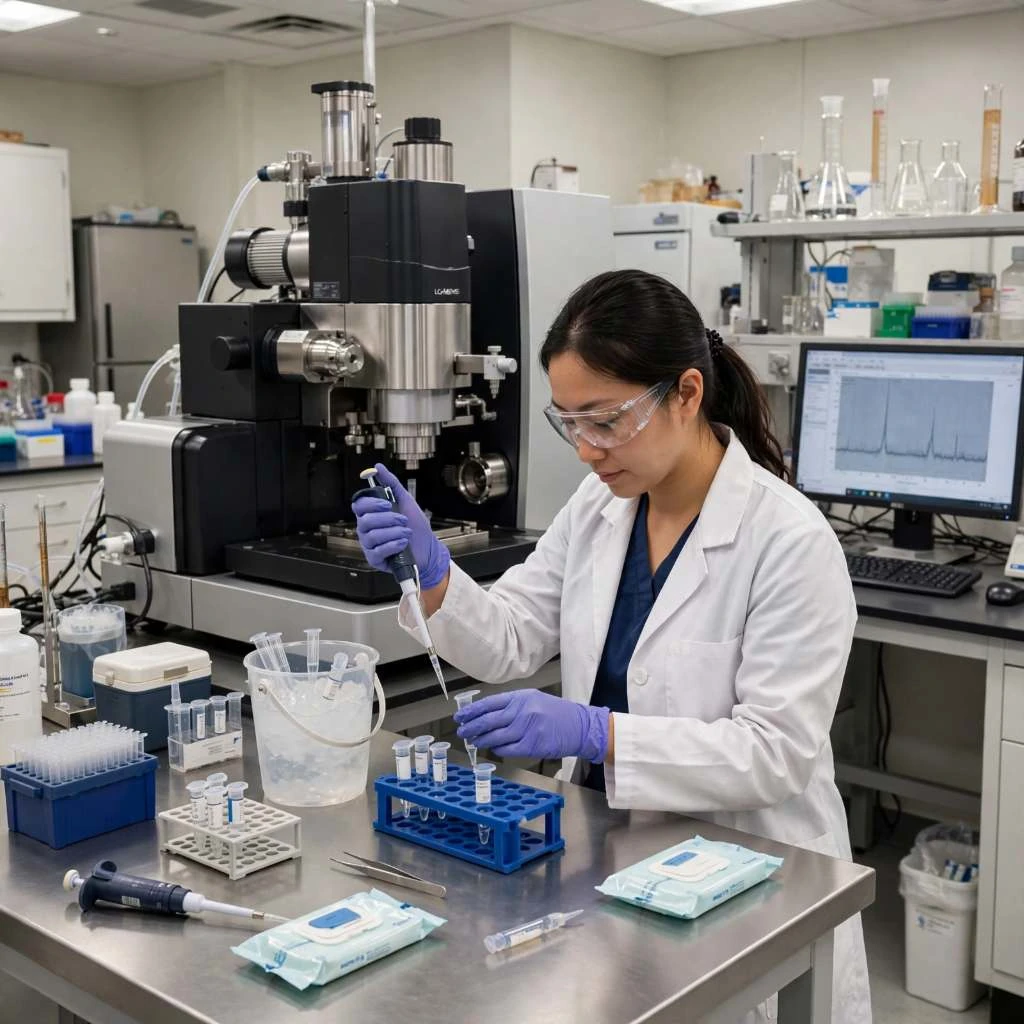
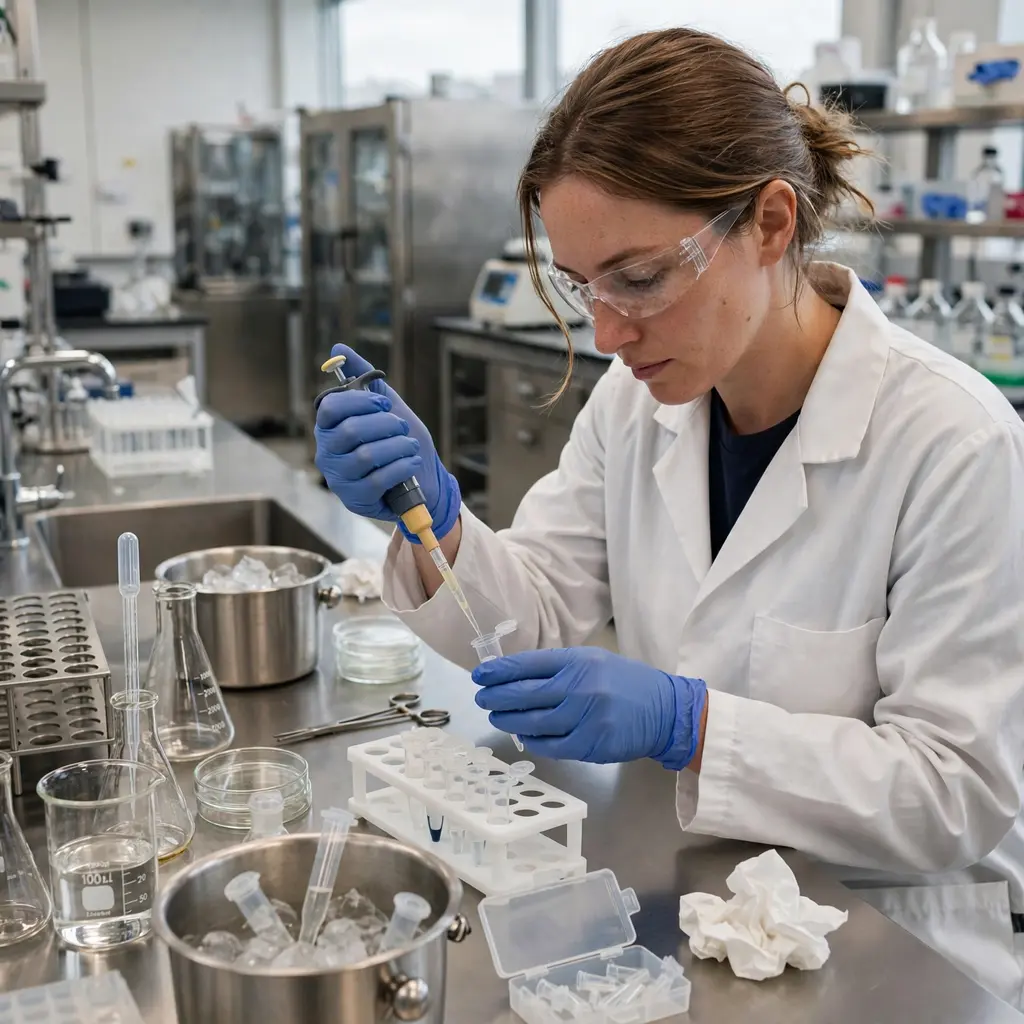
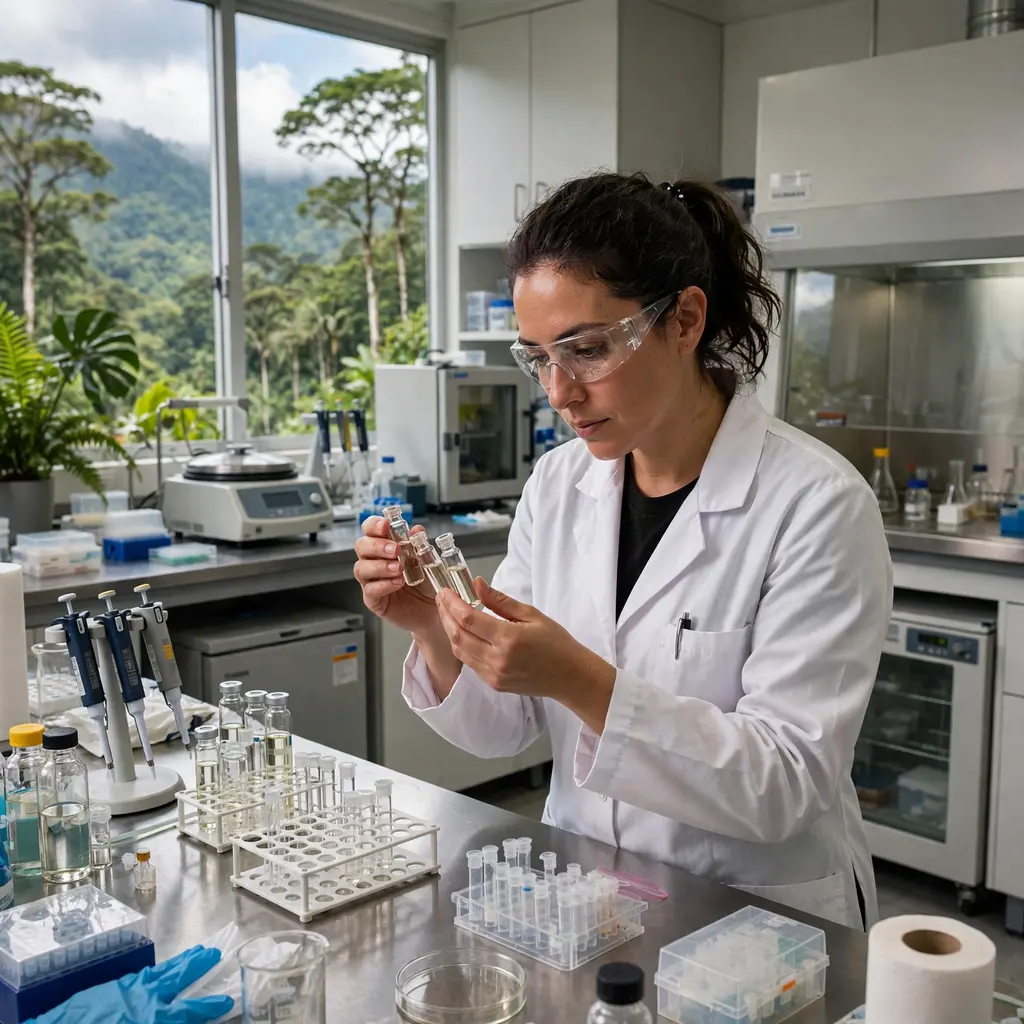
Cartago Peptide Solutions for Modern Scientific Research

Premium Research Peptides Cartago

Cartago Research Peptide Supply for Scientific Investigations

Cartago continues to attract attention from researchers seeking dependable peptide-related resources and educational information. As scientific interest in peptides expands across multiple disciplines, professionals and academic teams increasingly value access to reliable suppliers, technical documentation, and research updates. Many investigators begin their search by exploring https://peptidescostarica.net/cartago/ to learn more about peptide availability, laboratory standards, and product categories relevant to research activities. Alongside quality materials, researchers also benefit from educational content that supports informed decision-making throughout every stage of a study.

Why High-Quality Research Materials Matter

Peptide research requires precision from the earliest planning stages through laboratory analysis. Every research project depends on carefully prepared materials that meet established quality expectations. Reliable sourcing helps reduce inconsistencies while improving confidence in experimental outcomes. In Cartago, scientists often prioritize providers that emphasize transparency, proper storage recommendations, and complete product documentation. These factors contribute to smoother laboratory workflows while allowing researchers to focus on data collection rather than concerns about material integrity.

Educational Resources Strengthen Scientific Knowledge

Scientific advancement depends not only on laboratory materials but also on continuous learning. Researchers frequently consult peer-reviewed publications, educational databases, and technical references to remain informed about evolving peptide science. Access to trusted educational information allows research teams to better understand experimental design, molecular mechanisms, and emerging peptide applications. These resources support informed decision-making while helping researchers stay current with new developments and best practices in peptide research.

Laboratory Standards Support Better Results

Successful peptide studies rely on organized laboratory procedures and consistent quality control practices. Proper handling, storage conditions, accurate measurements, and contamination prevention all contribute to dependable experimental outcomes. Researchers working in Cartago recognize that standardized laboratory protocols improve repeatability while minimizing unnecessary variables. Careful documentation throughout every phase of research also supports collaboration among scientific teams and assists with future study validation.

Research Peptide Solutions Cartago

Innovation Continues to Shape Peptide Science

Peptide technology continues to evolve as researchers investigate new molecular structures and innovative analytical methods. Improvements in synthesis techniques, purification processes, and analytical equipment allow laboratories to examine increasingly complex peptides with greater precision. Scientists in Cartago benefit from staying informed about these technological developments because modern research methods often increase efficiency while expanding opportunities for discovery. Continued innovation helps researchers explore new scientific questions across numerous fields of biological investigation.

Finding Dependable Research Support

Selecting dependable research resources involves evaluating several important factors. Researchers typically consider product consistency, available technical documentation, laboratory testing standards, customer support, and educational materials before selecting a supplier. Transparent product information enables laboratories to make informed purchasing decisions while supporting compliance with internal research protocols. For additional guidance on laboratory best practices and biological research resources, researchers can refer to the National Center for Biotechnology Information (NCBI). Access to knowledgeable technical assistance can also prove valuable when researchers require additional information about handling recommendations or product specifications.

Collaboration Encourages Scientific Progress

Scientific discoveries frequently result from collaboration between researchers, educational institutions, and laboratory professionals. Sharing knowledge, discussing experimental approaches, and reviewing published findings contribute to stronger research outcomes. Cartago continues to support a growing interest in scientific collaboration by encouraging access to educational resources and dependable peptide information. Collaborative environments often inspire innovative ideas that lead to improved research methodologies and expanded scientific understanding across multiple disciplines.

Looking Ahead for Peptide Research in Cartago

As peptide science continues advancing, researchers in Cartago will likely benefit from expanding educational opportunities, improved laboratory technologies, and broader access to quality research materials. Staying informed through trusted scientific resources while selecting dependable research suppliers helps create a strong foundation for successful investigations. Whether supporting academic studies or independent laboratory projects, access to reliable peptide information remains an essential component of modern scientific research. With continued emphasis on education, quality standards, and responsible laboratory practices, Cartago is well positioned to support ongoing scientific exploration in the years ahead.

Peptide Research Resources Cartago

Exploring Peptide Science, Research Methods, and Biological Applications

Peptide Innovation And Development Studies

Advanced Peptide Research Concepts and Resources for Scientific Learning

Peptide research continues to attract attention among scientists, educators, and laboratory professionals because of its important role in understanding biological processes. Educational platforms and scientific communities share valuable information that helps improve awareness of peptide structures, functions, and research applications. A visual resource hub such as https://www.pinterest.com/peptidescostarica/ provides opportunities to explore curated ideas, scientific discussions, and informational content related to peptide studies. As interest in molecular science expands, access to organized educational materials can support better learning and encourage responsible research practices.

Exploring the Fundamentals of Peptides and Their Functions

Peptides are short chains of amino acids connected through peptide bonds, making them important components in biological research. Scientists study peptides to understand their interactions with proteins, cells, and various molecular pathways. Their unique characteristics allow researchers to investigate different areas of biochemistry, molecular biology, and laboratory science. Learning about peptide composition, stability, and behavior provides a foundation for understanding how these molecules contribute to broader scientific discoveries.

The Role of Educational Content in Scientific Awareness

Reliable educational information plays an essential role in helping researchers and students develop a stronger understanding of peptide-related topics. Online resources, scientific publications, and knowledge-sharing platforms allow people to explore concepts such as amino acid sequences, molecular structures, and laboratory methodologies. High-quality educational materials encourage curiosity while helping readers distinguish between scientific research information and unsupported claims. This approach promotes a more informed perspective on peptide science.

Research Approaches and Laboratory Knowledge Development

Modern peptide research involves careful study of molecular characteristics, analytical techniques, and experimental processes. Researchers often examine factors such as purity, sequence accuracy, and structural properties when evaluating peptides for scientific purposes. Developing strong laboratory knowledge requires attention to detail, proper documentation, and awareness of established scientific methods. Continued education helps professionals improve their understanding of complex biological systems and advances in molecular research.

Peptide Sequence Research Methods

Importance of Scientific References and Trusted Information

Access to respected scientific databases helps researchers build accurate background knowledge. One valuable educational reference is the PubMed database, which provides access to scientific literature, research articles, and biomedical studies for scientific learning. Using trusted references allows students and professionals to explore verified data and better understand the relationship between peptides and larger biological systems. Reliable sources are especially important in fields where accuracy and scientific interpretation are essential.

Peptide Research Communities and Knowledge Sharing

Scientific progress often develops through collaboration, communication, and the exchange of ideas. Online communities allow researchers and learners to discover new perspectives, discuss findings, and share educational resources. Platforms focused on science-related topics can help organize information in a way that makes complex subjects easier to explore. Through responsible knowledge sharing, individuals can continue expanding their understanding of peptide research and related scientific disciplines.

Future Opportunities in Peptide Science Education

The future of peptide science education depends on continued access to accurate information and improved learning resources. As research techniques develop, educational platforms will remain valuable tools for introducing new concepts and supporting scientific discussions. Greater awareness of peptide chemistry, molecular biology, and laboratory practices can help create a stronger foundation for future discoveries. By combining innovation with reliable scientific knowledge, peptide research education can continue to evolve.

Building a Better Understanding of Molecular Research

Peptide research represents an important area of scientific exploration that connects chemistry, biology, and technology. Educational resources provide a pathway for individuals to learn about peptide structures, research methods, and scientific advancements. Whether someone is beginning their scientific journey or expanding existing knowledge, organized information and trusted references can support deeper understanding. Continued exploration of peptide science encourages learning, collaboration, and responsible engagement with modern research topics.

Molecular Peptide Research Studies

Why Ignoring Cracks in Your Driveway Costs You More Later

If you’ve noticed cracks forming in your driveway or parking lot, it’s tempting to just let it slide for another season. But that’s usually when small problems turn into expensive ones. Quality asphalt repair services catch these issues early, before water gets underneath the surface and starts breaking things down from below. A few hairline cracks today can mean a full section replacement next year if they’re left alone.

The good news is that most driveways and lots don’t need a total overhaul. In many cases, targeted asphalt repair is enough to restore the surface and stop the damage from spreading. It’s faster, cheaper, and a lot less disruptive than tearing everything up and starting over. For more information: asphalt patching

So what actually causes this kind of wear? The weather is a big factor. Freeze-thaw cycles are brutal on pavement, especially in areas that see cold winters followed by warm spells. Water seeps into small cracks, freezes, expands, and widens the gap. Add in regular vehicle traffic, oil spills, and just general aging, and it’s easy to see why even well-built driveways need attention over time.

The key is catching things early. A small crack is a quick, affordable fix. Once water gets underneath and starts eroding the base layer, you’re looking at potholes, uneven surfaces, and eventually a section that needs to be dug out and repoured. That’s a much bigger job and a much bigger bill.

If you’re a homeowner, keep an eye out for spider cracking, small potholes, or areas where the surface feels soft or spongy underfoot. For commercial properties, it’s worth doing a seasonal walk-through, especially after winter, to catch anything that needs patching before it becomes a liability or trip hazard for customers.

One thing people often overlook is drainage. If water is pooling on your asphalt instead of running off, that’s usually a sign the surface has settled or the grading is off. This isn’t always something you can fix with a simple patch, and it’s worth having a professional take a look to figure out what’s actually going on underneath.

The bottom line is that asphalt problems rarely fix themselves, and they almost never get cheaper to fix the longer you wait. If your driveway or lot is showing signs of wear, getting it looked at now can save you a much bigger repair bill down the road.

When Is It Time to Call in the Professionals for Tree Removal?

If you’ve been eyeing that leaning oak in your backyard or the dead branches hanging over your driveway, you’re probably wondering whether it’s finally time to deal with it. The truth is, most homeowners put off tree removal far longer than they should, usually because they’re not sure what the process actually involves or they’re worried about the cost. But a tree that’s structurally compromised isn’t just an eyesore, it’s a liability waiting to happen. Storm season, root damage, and disease can all turn a healthy-looking tree into a genuine hazard almost overnight, which is why knowing the warning signs matters just as much as knowing who to call when you spot them.

Tree felling isn’t something you want to attempt yourself, even if you’ve got a chainsaw and a weekend free. The angle of the cut, the direction of the lean, nearby power lines, and the weight distribution of the canopy all factor into how a tree comes down, and getting any of that wrong can mean serious injury or property damage. Professional crews assess all of this before they make a single cut, which is exactly why DIY tree removal videos online rarely show you the full picture. For more information: tree removals

So how do you know when a tree has crossed the line from “keep an eye on it” to “get it removed now”? A few signs are worth taking seriously. Fungus growing at the base of the trunk often signals internal rot that you can’t see from the outside. Large dead branches, especially ones concentrated on one side, suggest the tree is under stress and shedding weight unevenly. A trunk that’s started to lean more than it used to, particularly after a storm, can mean the root system has been compromised. None of these requires an expert eye to notice, they just require you to actually look.

Cost is usually the next question, and it’s a fair one. Pricing depends on the tree’s size, its location relative to structures or power lines, and how much cleanup is involved afterward. A small tree in an open yard is a very different job from a mature tree wedged between a house and a fence line. Getting a proper assessment upfront saves you from surprises later, and it also gives you a clearer sense of timeline, since some removals are same-day jobs while others need a bit more planning around access and equipment.

There’s also the question of what happens after the tree comes down. Stump removal, wood disposal, and site cleanup are often bundled into the same job, but not always, so it’s worth asking specifically what’s included before you commit. A reputable crew will walk you through all of this without you having to pry it out of them, and they’ll be upfront about permit requirements if your municipality requires one for larger trees.

At the end of the day, tree removal isn’t a task to rush into, but it’s also not one to keep putting off indefinitely. If a tree on your property is showing any of the warning signs above, getting a professional opinion sooner rather than later can save you money, hassle, and in some cases, a genuinely dangerous situation.

Why More Homeowners Are Rethinking Their Trash Day Routine

Most of us don’t think twice about what happens after the bin gets emptied. But if you’ve ever stood in your driveway wondering why your garbage day keeps getting messier, or why recycling rules seem to change every few months, you’re not alone. A solid approach to home waste management makes a bigger difference than people realize, and getting it right saves you time, hassle, and, honestly, a bit of sanity.

The truth is, residential waste management has changed a lot over the last decade. It’s not just about hauling trash to the curb anymore. Homeowners are dealing with stricter sorting rules, seasonal pickup schedules, and a growing pile of recyclables that don’t always fit neatly into one bin. For more information: waste management for residential

So what does good household waste handling actually look like in practice? It starts with knowing what your local provider picks up, and when. A lot of frustration comes from missed pickups or confusion over what’s recyclable and what isn’t. If you’ve ever tossed something in the blue bin only to find out later it wasn’t accepted, you know exactly what we mean.

Curbside collection is one of the biggest pain points for busy households. Between work schedules, kids, and everything else going on, remembering which week is recycling and which is garbage can feel like its own part-time job. That’s why a lot of families are leaning on services that keep things predictable and consistent, so trash day stops being a guessing game.

Recycling deserves its own mention here too. Home recycling has come a long way from just tossing bottles and cans in a bin. Many providers now offer clearer guidelines and better sorting options, which means less contamination and more of your recyclables actually getting reused instead of ending up in a landfill because of a mix-up.

There’s also a bigger picture worth considering. Good household garbage pickup isn’t just about convenience, it’s about reducing your footprint without adding extra effort to your week. When collection is reliable and sorting is simple, people are far more likely to stick with good habits long term. It removes the friction that usually causes folks to give up on recycling altogether.

If you’re the type who likes things running smoothly in the background, without needing to micromanage your bins every week, it’s worth taking a closer look at how your current setup stacks up. Small improvements in scheduling, sorting clarity, and service reliability tend to add up to a much less stressful routine.

At the end of the day, managing waste at home shouldn’t feel complicated. With the right service and a bit of consistency, it becomes just another part of the week you don’t have to think twice about.

Guía sobre el péptido Tesamorelin en Costa Rica usos, investigaciones y datos importantes

Análisis Del Péptido Tesamorelin Costa Rica

Tesamorelina en Costa Rica Comprender su papel en la investigación moderna de péptidos

El creciente interés en la investigación basada en péptidos ha llevado a los científicos a estudiar una amplia variedad de compuestos con propiedades biológicas únicas. Entre estos péptidos, la Tesamorelina ha ganado atención debido a su relación con las vías de la hormona liberadora de la hormona del crecimiento y su importancia dentro de la investigación metabólica. Para los investigadores que exploran soluciones basadas en péptidos en Costa Rica, comprender las características, aplicaciones y opciones de adquisición de la Tesamorelina es una parte importante para tomar decisiones informadas. Aquellos interesados en obtener más información sobre este péptido pueden visita la página para conocer detalles adicionales sobre sus características y disponibilidad.

Comprendiendo la Tesamorelina y su Base Científica

La Tesamorelina es un péptido sintético diseñado para imitar la actividad de la hormona liberadora de la hormona del crecimiento (GHRH). Actúa sobre receptores específicos relacionados con la regulación natural de la producción de hormona del crecimiento, convirtiéndose en un compuesto de interés para investigadores que estudian funciones endocrinas y procesos biológicos relacionados.

A diferencia de los compuestos de hormona del crecimiento administrados directamente, la Tesamorelina funciona estimulando las vías naturales de señalización del organismo. Este mecanismo particular ha convertido al péptido en un tema relevante dentro de investigaciones relacionadas con el equilibrio hormonal, el metabolismo y las respuestas fisiológicas.

El Creciente Interés por los Materiales de Investigación con Tesamorelina en Costa Rica

Costa Rica se ha convertido en un lugar cada vez más reconocido para actividades relacionadas con la ciencia, la biotecnología y la investigación especializada en la región. A medida que aumenta el interés por los estudios con péptidos, muchos investigadores buscan un acceso más práctico a compuestos especializados como la Tesamorelina.

Trabajar con proveedores locales de péptidos puede ofrecer ventajas como una comunicación más sencilla, procesos logísticos más eficientes y mayor accesibilidad en comparación con la adquisición internacional. Contar con recursos de investigación cercanos permite a los laboratorios organizar mejor sus proyectos y reducir posibles complicaciones relacionadas con el transporte.

Principales Áreas de Investigación de la Tesamorelina

Los investigadores continúan analizando la Tesamorelina en diferentes campos científicos. Algunas áreas importantes de estudio incluyen:

Estudios de Vías Hormonales

La Tesamorelina se investiga frecuentemente por su relación con los procesos de secreción de la hormona del crecimiento. Los científicos analizan cómo las señales de los péptidos interactúan con el sistema endocrino y generan diferentes respuestas biológicas.

Proyectos de Investigación Metabólica

Otra área relevante es la investigación metabólica. Los estudios científicos evalúan cómo las vías relacionadas con la hormona del crecimiento pueden influir en procesos asociados con la regulación energética, la composición corporal y las funciones celulares.

Análisis de Mecanismos de Péptidos

Los laboratorios también estudian la Tesamorelina para comprender mejor las interacciones entre péptidos y receptores, la actividad molecular y los mecanismos de señalización. Estas investigaciones contribuyen al conocimiento general dentro del campo de la ciencia de los péptidos.

Solicitar Tesamorelin Costa Rica

Ventajas de Elegir una Fuente de Péptidos en Costa Rica

Seleccionar un proveedor local para compuestos de investigación puede ofrecer varios beneficios prácticos. Los investigadores pueden obtener mayor facilidad de acceso, comunicación más directa y menor complejidad durante los procesos de transporte.

Un proveedor ubicado en Costa Rica también puede facilitar la obtención de información sobre el producto, permitiendo verificar detalles importantes como disponibilidad, características del compuesto y condiciones de pedido antes de iniciar un proyecto de investigación.

Factores Importantes al Seleccionar Tesamorelina

Al evaluar proveedores de Tesamorelina, los investigadores deben considerar diferentes aspectos importantes:

  • Estándares de calidad del producto
  • Información clara sobre las especificaciones del péptido
  • Métodos seguros de embalaje
  • Reputación del proveedor
  • Atención al cliente eficiente
  • Recomendaciones adecuadas de almacenamiento

La elección de una fuente confiable es fundamental para mantener la consistencia durante los estudios de laboratorio. Los investigadores deben optar siempre por proveedores que ofrezcan información transparente y un servicio profesional.

La Evolución Continua de la Investigación con Péptidos

El campo de la ciencia de los péptidos continúa avanzando a medida que los investigadores descubren nuevas formas de comprender los procesos de señalización biológica. Compuestos como la Tesamorelina ofrecen oportunidades importantes para estudiar las complejas interacciones entre hormonas, receptores y vías metabólicas. Para ampliar el conocimiento sobre investigaciones biomédicas y estudios relacionados con péptidos, los investigadores pueden consultar recursos científicos disponibles en el Centro Nacional de Información Biotecnológica (NCBI).

Los avances en biotecnología y técnicas de laboratorio permiten analizar los péptidos con mayor precisión, creando nuevas posibilidades para futuras investigaciones científicas.

La Importancia de las Prácticas Responsables de Investigación

La investigación científica requiere una planificación adecuada, documentación precisa y un manejo responsable de los materiales de laboratorio. Los investigadores que trabajan con Tesamorelina deben seguir procedimientos apropiados y cumplir con las normas correspondientes.

El uso de materiales de investigación verificados y el mantenimiento de registros detallados ayudan a mejorar la precisión y confiabilidad de los estudios científicos.

Conclusión Tesamorelina como Péptido Relevante para la Investigación

La Tesamorelina continúa siendo un compuesto importante dentro del campo de la investigación biológica y metabólica. Su relación con las vías de liberación de la hormona del crecimiento mantiene el interés científico de investigadores en diferentes partes del mundo.

Para quienes exploran la Tesamorelina en Costa Rica, elegir una fuente confiable y comprender el contexto científico del péptido son pasos esenciales. Con el desarrollo continuo de la ciencia de los péptidos, la Tesamorelina seguirá siendo un tema relevante dentro de futuros estudios de laboratorio y proyectos de biotecnología.

Péptido Tesamorelin De Alta Pureza

Understanding Peptide Dosing and Injection Basics from Reconstitution to Administration

Peptide Dosage Calculation

How to Master Peptide Dosing and Injection Basics for Consistent Research Results

Learning the fundamentals of peptide dosing and injections is essential for anyone exploring research peptides. Proper preparation, accurate measurements, and safe handling practices help maintain consistency throughout the research process. Whether you are reviewing educational resources or organizing a research protocol, understanding the basics can reduce common mistakes. A helpful starting point is https://peptidescostarica.net/dosing-and-injection-basics/, which explains key concepts related to preparation, measurement, and injection techniques for research purposes. Taking time to learn these principles before handling peptides can improve confidence and promote more organized research practices.

Why Accurate Dosing Matters

Accurate dosing is one of the most important aspects of peptide research. Small measurement errors can produce inconsistent results, making it difficult to evaluate findings over time. Researchers typically calculate doses based on the peptide concentration after reconstitution and the amount intended for administration.

Using precise measuring tools and double-checking calculations before every preparation helps minimize avoidable errors. Recording each dose in a research log also creates a reliable history that can be reviewed later if adjustments or comparisons become necessary.

Understanding Peptide Reconstitution

Many research peptides arrive in lyophilized (freeze-dried) powder form and require reconstitution before use. This process involves adding an appropriate sterile solution to dissolve the powder while maintaining proper handling techniques.

The amount of liquid used during reconstitution directly affects peptide concentration. Because of this, researchers should carefully calculate the final concentration before drawing any dose into a syringe. Mixing should always be performed gently rather than shaking the vial aggressively, which may affect peptide stability.

Choosing the Right Syringe

Selecting the appropriate syringe makes measuring doses much easier. Insulin syringes are commonly used in peptide research because they allow for small, precise measurements. Understanding the markings on the syringe is equally important since different syringe sizes may display different unit scales.

Before drawing a dose, researchers should verify:

  • Syringe capacity
  • Unit markings
  • Needle size
  • Sterility of the packaging
  • Expiration date

Using the correct syringe helps improve measurement accuracy while reducing confusion during preparation.

Basic Injection Techniques

Injection technique plays an important role in research consistency. Subcutaneous injections are among the most frequently discussed methods for research peptides because they involve administration into the fatty tissue beneath the skin.

General best practices include:

  • Washing hands thoroughly before preparation.
  • Cleaning the injection site with an alcohol swab.
  • Using a new sterile needle for every injection.
  • Rotating injection sites when appropriate.
  • Disposing of used needles safely in an approved sharps container.

Maintaining clean procedures throughout the process helps reduce contamination risks and supports reliable research practices.

Peptide Handling Practices

Common Dosing Mistakes to Avoid

Even experienced researchers can occasionally make dosing mistakes. Fortunately, most common issues can be prevented through careful preparation.

Some frequent errors include:

  • Misreading syringe unit markings.
  • Incorrect reconstitution calculations.
  • Forgetting to label prepared vials.
  • Using expired supplies.
  • Skipping documentation after dosing.

Creating a simple checklist before every preparation session can significantly reduce the likelihood of these mistakes while improving consistency across multiple research sessions.

Proper Storage and Handling

Correct storage conditions help preserve peptide quality after reconstitution. Most peptides require refrigeration according to supplier recommendations, while lyophilized powders often have different storage requirements before mixing.

Researchers should always:

  • Store peptides as instructed.
  • Protect vials from excessive heat and direct sunlight.
  • Minimize repeated temperature changes.
  • Keep storage areas clean and organized.
  • Clearly label preparation dates.

For additional information on sterile preparation practices and injection safety, the CDC Injection Safety resource provides valuable educational guidance.

Keeping Accurate Research Records

Documentation is frequently overlooked but remains one of the most valuable parts of peptide research. Maintaining organized records allows researchers to review dosing schedules, concentrations, preparation dates, storage conditions, and observations over time.

A well-maintained research log may include:

  • Peptide name
  • Batch information
  • Reconstitution volume
  • Dose calculations
  • Administration dates
  • Storage details
  • General observations

Consistent documentation supports reproducibility and simplifies future reviews.

Final Thoughts

Understanding dosing and injection basics creates a strong foundation for responsible peptide research. Accurate calculations, proper syringe selection, sterile preparation, careful storage, and organized record keeping all contribute to consistent research practices. By learning these core principles before beginning any protocol, researchers can reduce unnecessary errors while maintaining a structured and professional approach. Continued education and adherence to established handling guidelines remain essential components of quality peptide research.

Peptide Reconstitution Guide

Research Peptides and Quality Standards for Laboratory Use

Laboratory Research Peptides

Quality Research Peptides for Consistent Laboratory Results

Research peptides have become increasingly valuable in modern laboratory science, supporting studies across molecular biology, biochemistry, pharmacology, and biomedical research. Scientists rely on these specialized compounds to investigate cellular signaling, protein interactions, receptor activity, and other biological mechanisms that contribute to scientific discovery. Selecting a dependable supplier is an important step in maintaining consistency throughout any research project. Many laboratories carefully review current offerings that are in stock before planning experiments, ensuring the materials they need are readily available without interrupting research timelines. Along with product availability, researchers also evaluate documentation, testing standards, and storage recommendations to help maintain confidence in every experiment they perform.

Understanding What Research Peptides Are

Research peptides are short chains of amino acids designed for laboratory and scientific investigation. Unlike proteins, peptides contain fewer amino acid residues while still playing important biological roles. Scientists use them to study biochemical pathways, receptor binding, enzyme activity, and numerous cellular functions. These materials are intended exclusively for research purposes and help expand scientific knowledge in controlled laboratory settings. As scientific methods continue to evolve, high-quality peptides remain essential tools for producing accurate, repeatable, and meaningful experimental results.

Why Purity and Consistency Are Essential

One of the most important factors when choosing research peptides is product purity. Even minor impurities can influence laboratory findings, making reproducibility more difficult. Reputable suppliers commonly provide analytical information such as purity percentages, molecular weight verification, and batch-specific documentation. These quality measures help researchers compare results across different experiments while reducing unnecessary variability.

Consistency is equally important. Laboratories conducting long-term projects often require multiple orders over several months. Receiving products manufactured under standardized conditions helps ensure that experimental variables remain controlled. Reliable quality assurance ultimately supports stronger scientific conclusions and improves confidence in collected data.

Manufacturing and Quality Control Standards

Modern peptide production relies on advanced synthesis techniques designed to achieve high levels of precision. Following synthesis, manufacturers typically perform several analytical tests to verify product identity and composition. High-Performance Liquid Chromatography (HPLC) is frequently used to determine purity, while Mass Spectrometry (MS) confirms molecular weight and structural accuracy.

These quality control procedures allow researchers to verify that products meet laboratory expectations before beginning experiments. Many professional suppliers also provide Certificates of Analysis that summarize important testing results. This documentation supports transparency and allows scientists to review technical information relevant to their research.

For additional educational resources on protein science and peptide-related research, visit National Center for Biotechnology Information (NCBI), which provides access to peer-reviewed biomedical literature, scientific databases, and research publications related to molecular biology and peptide science.

Research Peptide Catalog

Choosing a Dependable Research Peptide Supplier

Selecting a supplier involves much more than finding a desired product. Experienced researchers evaluate several factors before placing an order. Product transparency is one of the most important considerations, including detailed descriptions, technical specifications, recommended storage conditions, and quality documentation.

Reliable suppliers also maintain organized inventory systems that allow researchers to identify available products quickly. Responsive customer service can be equally valuable when laboratories need clarification regarding specifications or product handling. Suppliers committed to scientific research typically emphasize accuracy, consistency, and professional support throughout the purchasing process.

Another valuable characteristic is clear labeling and secure packaging. Proper packaging protects sensitive peptides during shipping and minimizes environmental exposure before they arrive at the laboratory.

Best Practices for Storage and Handling

Even the highest-quality peptide can lose stability if handled incorrectly after delivery. Laboratories should carefully follow recommended storage instructions provided by the manufacturer. Many research peptides remain most stable when stored at low temperatures in dry conditions with minimal exposure to moisture and direct light.

Researchers also avoid repeated freeze-thaw cycles whenever possible because temperature fluctuations may gradually reduce peptide stability. Preparing smaller aliquots before long-term storage is a common laboratory practice that helps preserve product quality throughout multiple experiments.

Good laboratory procedures extend beyond storage alone. Maintaining clean equipment, preventing contamination, and documenting handling procedures all contribute to consistent experimental outcomes.

Supporting Reliable Scientific Research

Scientific progress depends on dependable materials and reproducible experimental methods. High-quality research peptides provide laboratories with valuable tools for studying biological systems while supporting careful scientific investigation. Choosing suppliers that emphasize manufacturing standards, analytical testing, transparent documentation, and consistent inventory helps researchers maintain confidence in their work.

As peptide science continues to expand across multiple research disciplines, quality assurance remains one of the most important considerations for laboratories worldwide. Careful supplier selection, proper storage practices, and attention to product documentation all contribute to successful research projects. By prioritizing consistency and scientific standards, researchers can focus on generating reliable data that advances knowledge and supports future discoveries across the life sciences.

Research Peptide Selection

Why More Dutch Companies Are Building Nearshore Teams in South Africa

If you’ve been struggling to find developers who don’t cost a fortune or disappear the moment a better offer comes along, you’re not alone. A growing number of Dutch tech leaders are solving this by turning to Nearshore IT South Africa to Netherlands, and the reasoning behind it is pretty straightforward once you look at the numbers and the time zones.

South Africa sits just one or two hours off Central European Time, which means daily standups, code reviews, and Slack conversations happen in real time instead of overnight. That alone removes one of the biggest headaches companies run into with traditional offshore setups in Asia or Latin America. Add to that a tech talent pool trained largely in English, with strong exposure to European coding standards, and it’s easy to see why South African developers for Dutch companies have become such a popular option this year.

Cost is obviously part of the story too, but it’s not the whole story. Teams that go nearshore purely to save money often end up disappointed, because cheaper doesn’t always mean better. What’s actually driving retention with these partnerships is culture fit. South African teams tend to work in a style that feels familiar to Dutch managers: direct communication, a low-hierarchy mindset, and genuine ownership over the product rather than just ticking off tasks on a list. For more information: Nearshore development South Africa to Netherlands

None of this works, though, without the right structure behind it. Companies that treat their nearshore developers as a bolt-on team, separate from the “real” engineering org, tend to run into friction fast. The setups that actually last treat nearshore hires the same way they’d treat someone sitting two desks away, same standups, same sprint planning, same access to product context. That’s really the difference between a nearshore relationship that fizzles out after six months and one that becomes a permanent part of how a company builds software.

If you’re weighing your options for scaling a dev team without the overhead of a full local hire, it’s worth at least having the conversation. The time zone overlap and cultural alignment make South Africa one of the more practical nearshore choices for Dutch businesses right now, not just a cheaper one.

Why More Companies Are Turning to AI Build Teams

Software delivery is under more pressure than ever. Deadlines are tighter, expectations are higher, and most in-house teams simply don’t have the bandwidth to explore how artificial intelligence can speed things up without sacrificing quality. That’s where ai build teams come in, and increasingly, businesses are turning to an ai augmented development team to close that gap.

The appeal is straightforward. Rather than hiring a full internal AI division from scratch, which takes time, budget, and a fair amount of trial and error, companies can plug into a team that already knows how to build production-ready AI capability into existing software delivery pipelines. It’s less about experimenting with AI on the side and more about embedding it properly into how software actually gets shipped.

What tends to surprise people is how much faster things move once an experienced team is involved. Projects that might have taken months to get off the ground internally can go from concept to working software in a fraction of the time. That’s not because corners get cut, it’s because the team has already solved the early problems everyone else runs into: tooling choices, integration headaches, and getting AI-assisted workflows to actually behave reliably in a production environment.

There’s also a quality angle that’s easy to overlook. Anyone can bolt AI tools onto a project. Getting them to consistently produce clean, maintainable, well-tested code across a full delivery lifecycle is a different challenge entirely. Teams that specialise in this have already built the guardrails, review processes, and testing discipline needed to keep output dependable, even as the pace of development increases.

That’s really the difference between dabbling in AI tooling and having a dedicated, augmented team that treats AI as a core part of the engineering process rather than an add-on. The former gets you incremental gains. The latter changes what’s actually possible on a project timeline.

Cost is often the first question, understandably so. But most companies find that the investment pays for itself quickly once delivery speed increases and the internal team is freed up to focus on higher-value work instead of getting bogged down figuring out AI integration from scratch. It’s less about replacing developers and more about giving them tools and support that let them move faster without compromising the quality of what gets built.

If your team has been circling the idea of bringing AI into your development process but hasn’t found the right way in, working with a team that’s already done it repeatedly is usually the shortest path to real results. It skips the learning curve and gets you straight to a working, production-grade outcome.

Control Beyond Excess

Modern rifle enthusiasts increasingly prioritize refinement over raw capability. As platforms evolve, so do expectations around how each component should contribute to overall performance. Instead of accumulating accessories for their own sake, shooters now look for equipment that improves handling, enhances stability, and maintains predictable behavior under real-world conditions.

In this environment, consistency has become the defining standard. A rifle setup is only as effective as its ability to behave the same way every time it is used. When equipment introduces inconsistency or unpredictable changes in feel, it disrupts training rhythm and reduces confidence in performance.

The Role of Suppression in Rifle Dynamics

Suppressors are often misunderstood as devices that simply reduce sound. In reality, their influence extends to the overall dynamics of the rifle during firing. By moderating gas release and smoothing recoil impulse, suppression systems help shape how the firearm behaves between shots.

A well-balanced system reduces abrupt movement, allowing the shooter to maintain better visual continuity through recoil. This stability is especially valuable during extended shooting sessions, where fatigue and repeated impulses can otherwise degrade focus and control.

Rather than removing all feedback, effective suppression refines it. Shooters still receive enough information to evaluate shot placement, but without the disruptive force that can interfere with consistency. This balance is critical for skill development and long-term performance improvement.

Platform-Specific Engineering for .223 Systems

Gas-operated rifles chambered in .223 require careful engineering considerations when suppression is introduced. Small changes in pressure behavior or timing can influence cycling reliability, heat distribution, and overall wear on components.

A well-designed 223 suppressor accounts for these variables through controlled internal geometry and carefully selected materials. Gas management is tuned to maintain consistent cycling, while structural integrity ensures durability under sustained firing conditions.

Precision alignment also plays a key role. Even minor deviations can affect accuracy or long-term reliability, making tight manufacturing tolerances essential. When properly engineered for the platform, suppression enhances control without compromising the rifle’s natural function.

Seamless Integration in Modular Systems

Modern rifles are built to be adaptable. Shooters frequently change optics, handguards, mounts, and accessories depending on their training or field requirements. Within this modular environment, every additional component must integrate cleanly without disrupting balance or repeatability.

Quality suppression systems are designed with this adaptability in mind. Reliable mounting interfaces and precise tolerances ensure that components return to the same position after removal and reinstallation. This consistency preserves the point of impact and eliminates the need for constant recalibration.

When integration is seamless, shooters benefit from a familiar feel regardless of configuration changes. This predictability reduces mental effort, allowing attention to remain on fundamentals rather than equipment behavior.

Durability Under Continuous Use

Suppressors operate under extreme conditions that place significant stress on materials and structure. High temperatures, pressure fluctuations, and rapid firing cycles all contribute to long-term wear.

Because of this, durability is not defined by initial performance alone but by how consistently the system performs over time. Materials must resist erosion, internal structures must maintain integrity, and mounting systems must remain stable under repeated use.

When a suppressor maintains its performance across extended firing schedules, it builds trust. Shooters can rely on the system session after session without anticipating changes in behavior, which is essential for consistent training and real-world application.

Consistency as a Foundation for Improvement

Skill development in shooting depends heavily on repeatable conditions. When recoil patterns, sight movement, and cycling behavior remain stable, shooters can accurately assess their performance and make meaningful adjustments.

Unpredictable equipment behavior introduces noise into this process, making it harder to distinguish between user error and mechanical variation. Stable systems remove this uncertainty, allowing training to focus on refinement rather than compensation.

Over time, this consistency transforms the rifle into a predictable extension of the shooter’s intent. Every session builds upon the last, reinforcing habits that translate into improved control and accuracy.

The Design Philosophy of Sylvan Arms

In a competitive industry where features are often emphasized over function, true credibility comes from reliable execution. Sylvan Arms approaches design with a focus on practicality, durability, and clean integration into modern rifle systems.

Rather than adding unnecessary complexity, the emphasis is placed on ensuring each component performs its intended role effectively. Compatibility across platforms, predictable behavior under use, and long-term reliability form the foundation of this engineering approach.

This philosophy reflects a clear understanding of real-world shooting demands. Equipment is expected to perform across varied environments and configurations without introducing uncertainty or requiring constant adjustment.

Long-Term Value Through Functional Design

The most effective rifle components are often those that operate quietly in the background. They do not require attention or frequent correction—they simply perform consistently over time.

Suppression systems built around balance, durability, and platform compatibility offer lasting value because they enhance performance without complicating the system. As shooters continue refining their setups, demand remains strong for equipment that prioritizes function over excess.

Ultimately, meaningful performance improvements come not from complexity, but from control. When engineering is guided by restraint and purpose, the result is a system that supports confidence, consistency, and long-term reliability in every use.

Supporting Canine Mobility Needs

For dogs, movement is more than simple physical activity—it is how they explore their environment, express curiosity, and maintain emotional balance. Whether it’s a walk around the neighborhood or moving from room to room at home, mobility shapes how dogs experience daily life. When mobility starts to decrease, it can impact a dog’s physical well-being as well as its confidence and overall behavior.

Even so, mobility limitations do not reduce a dog’s desire to stay active or connected. With appropriate support and thoughtful adjustments, many dogs can continue enjoying familiar routines while adapting to new physical needs.

Early Signs of Mobility Changes

Mobility issues often develop gradually, making early detection important. Dogs may start to move more cautiously, hesitate before jumping or standing, or show stiffness after rest. Some may tire more quickly during walks, while others may begin avoiding stairs or uneven surfaces altogether.

These changes may result from several factors, including aging, joint issues, neurological disorders, or healing after an injury. While some owners may initially interpret these behaviors as normal slowing down, they can signal the need for additional support.

Without intervention, reduced movement may lead to muscle weakening and decreased flexibility, which can further impact a dog’s overall comfort and independence.

How a Dog Mobility Cart Encourages Independence

A dog mobility cart provides structured physical support that helps dogs move more freely while reducing strain on weakened limbs. By stabilizing the body and supporting areas that struggle with strength or coordination, the cart allows dogs to walk using their remaining mobility.

This support encourages independence rather than dependence. Dogs are still able to control their direction and pace, which helps preserve natural movement patterns and boosts confidence. Many dogs adjust quickly once they realize they can move with less effort and greater stability.

Daily activities such as exploring the yard, following family members, or navigating indoor spaces become more accessible again. Over time, the mobility cart becomes a natural part of the dog’s routine rather than a limitation.

Selecting the Right Dog Wheelchair Setup

Different dogs require different levels of support depending on their condition and mobility challenges. A properly fitted dog wheelchair ensures that assistance is balanced, comfortable, and aligned with the dog’s physical structure.

Some designs focus on rear support for dogs with hind limb weakness, allowing them to maintain front-leg movement while receiving stability from behind. Others provide broader support for more advanced mobility concerns.

Adjustability is key, as a dog’s strength and endurance may change over time. A well-designed system allows caregivers to modify height, support points, and fit to match the dog’s evolving needs. This flexibility ensures continued usability and comfort across different stages of mobility change.

Comfort and Practical Use in Daily Life

Comfort plays a central role in whether a mobility solution is successful long-term. Proper fit reduces pressure on joints and ensures weight is distributed evenly across the body. This helps prevent discomfort and allows smoother, more natural movement.

Lightweight materials reduce strain during use, while well-designed wheels improve stability on different surfaces, both indoors and outdoors. At the same time, ease of use matters for caregivers—equipment that is simple to adjust and assemble encourages consistent use.

When mobility aids are comfortable for both dogs and owners, they become easier to integrate into everyday routines, increasing the likelihood of long-term success.

Emotional Benefits of Restored Movement

Mobility support does more than improve physical movement—it also has a meaningful impact on a dog’s emotional well-being. Dogs that regain independence often show increased curiosity, improved mood, and stronger engagement with their environment.

Being able to move without constant assistance reduces frustration and helps restore a sense of normalcy. Dogs may become more social, spend more time near family members, or show renewed interest in play and exploration.

For caregivers, these changes can be deeply encouraging. Seeing a dog regain confidence and enthusiasm reinforces the importance of supportive care and thoughtful intervention.

Guidance from Best Friend Mobility

Choosing the right mobility solution can feel overwhelming, especially for families navigating these challenges for the first time. Best Friend Mobility provides education and guidance designed to help caregivers make informed decisions based on their dog’s individual needs.

Rather than offering generic solutions, they focus on understanding each dog’s condition, lifestyle, and comfort requirements. This personalized approach helps ensure that mobility equipment is properly fitted and adjusted for long-term use.

Ongoing support also helps caregivers adapt equipment as their dog’s needs change, ensuring continued comfort and effectiveness over time.

Building a Better Quality of Life

Mobility challenges may change how a dog moves, but they do not change a dog’s desire to remain active, engaged, and connected. With the right tools and consistent support, dogs can continue participating in meaningful daily experiences.

Whether using a mobility cart or a properly fitted wheelchair system, the goal remains the same: to restore independence, reduce discomfort, and improve quality of life.

With patience, understanding, and the right mobility support, dogs can continue enjoying the routines they love while maintaining strong bonds with the people who care for them. Over time, these solutions help create a new normal centered on comfort, confidence, and shared moments.

-