Which is Better Aluminium or Plastic Gutters?

Pros and Cons Explained

When choosing gutters for your home, you face a key decision: aluminium or plastic? As a homeowner, understanding the differences and benefits of each material can help you make a wise investment. Let us have a thorough understanding on these with gutter cleaning Melbourne.

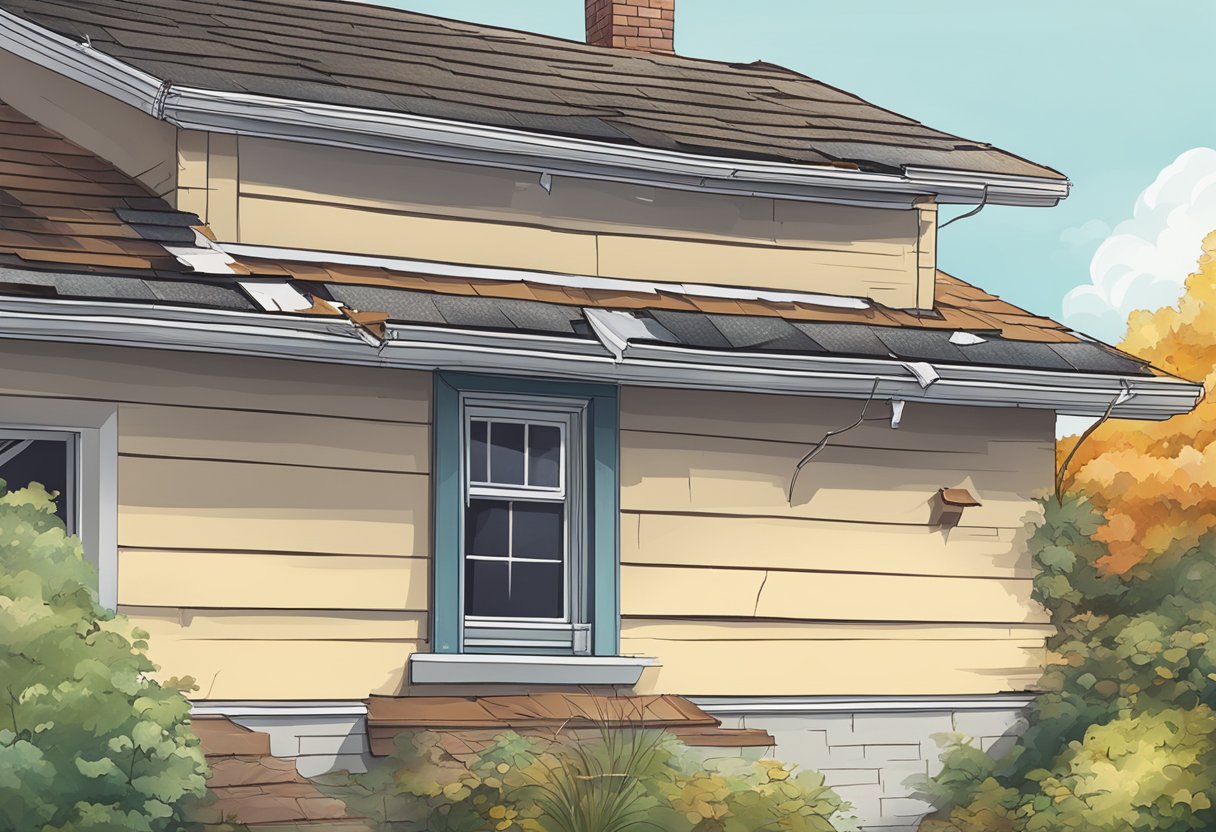
a building with plastic and aluminum guttering

Aluminium gutters are generally the better option due to their durability, rust-resistance, and longer lifespan. They present a more robust choice, capable of withstanding Australia’s diverse weather conditions without corroding or becoming brittle over time.

Plastic gutters, although easier to install and often more budget-friendly upfront, tend to have a shorter lifespan and are prone to issues like fading and brittleness when exposed to prolonged sunlight. This can lead to more frequent replacements and repairs, making them less economical in the long run.

On the other hand, aluminium gutters can be painted to match your house’s exterior, offering both functionality and aesthetic appeal.

Given the choice, you will find that aluminium gutters’ combination of strength, versatility, and longevity makes them a superior choice for Australian homes. Investing in aluminium can save you headaches and maintenance costs down the road, ensuring your home remains protected and looking good for many years.

Comparing Aluminium and Plastic Gutters

When choosing between aluminium and plastic gutters, it’s essential to consider factors such as durability, cost, and maintenance.

Material Properties and Durability

Aluminium Gutters:

Aluminium is known for its rust-resistant properties, making it highly durable in various weather conditions. Unlike steel, it does not corrode, even with prolonged exposure to moisture.

Aluminium gutters often handle thermal movement well, preventing warping. Generally, these gutters can withstand severe weather, including hail storms, due to their robust structure.

Plastic Gutters:

Typically made from PVC, plastic gutters offer resistance to rust and corrosion. However, they can become brittle over time, especially when exposed to UV rays.

Plastic gutters may warp under extreme thermal changes and can be more vulnerable to physical damage compared to aluminium. They generally have a shorter lifespan.

Cost and Value Considerations

Aluminium Gutters:

Aluminium gutters are more expensive upfront than plastic gutters but offer better value over time due to their longevity and durability. They often require fewer repairs and replacements, which can save on long-term costs.

The costs include both material and labor, and while initial expenses are higher, the overall value is significant.

Plastic Gutters:

Plastic gutters (often vinyl) are a more cost-effective option initially. They tend to be cheaper to purchase and install.

However, the lower upfront cost can be offset by higher maintenance and earlier replacement needs. The affordability of plastic gutters makes them an attractive option for budget-conscious homeowners, but one should consider potential long-term expenses.

Installation and Maintenance Factors

Aluminium Gutters:

Aluminium gutters can be seamlessly constructed, reducing the number of joints and potential leak points. Professionals typically handle installation due to the skills needed to ensure proper fitting and securing.

Maintenance is relatively easy, primarily involving regular cleaning to remove debris.

For any guttering works, gutter cleaning Melbourne works best.

Plastic Gutters:

Plastic gutters are easier to install, making them a preferred choice for DIY enthusiasts. They come with pre-made connections like joiners and corners, which simplify the process.

Maintenance involves regular cleaning and checking for damage or warping. Given their susceptibility to UV damage, frequent inspections are advisable to ensure they remain effective.

Aesthetic and Functional Qualities

When choosing between aluminium and plastic gutters, consider design features, home compatibility, and performance in various climates. Each material offers distinct advantages and potential drawbacks.

Design Features and Home Compatibility

Aluminium gutters offer broad colour options and a variety of shapes, making them adaptable to many home styles.

Their ability to be painted means you can match them perfectly with your home’s exterior, enhancing aesthetics.

Plastic gutters, on the other hand, are usually limited in colours, which may not offer as much flexibility in design. However, they are lightweight and often come with pre-made connections, making installation straightforward, especially for DIY projects.

Aluminium’s potential for a seamless design reduces the risk of leaks and enhances the home’s aesthetic appeal. This smooth finish can better integrate with modern and traditional home designs, making aluminium gutters a versatile choice.

Performance in Diverse Climates

In extreme weather conditions, aluminium gutters excel. They withstand heavy snow, ice, and severe weather without significant damage, making them ideal for areas prone to harsh weather.

Their resistance to rust also helps prevent water damage.

Plastic gutters are resistant to rust and corrosion, an advantage in humid or coastal areas where metal might otherwise deteriorate. However, they can sag or bend in extreme heat. They may also become brittle in cold climates, leading to cracking over time.

For locations experiencing severe weather, aluminium provides long-term durability without the common issues of melting, sagging, or significant damage under pressure.

Conversely, plastic may be more suitable for milder climates where weather extremes are less of a concern.

How to Choose Guttering:

Tips for the Right Choice

Choosing the right guttering for your home is essential for protecting your property from water damage. Gutters channel rainwater away from your roof and foundation, preventing potential structural damage and costly repairs.

Selecting gutters that match your home’s design while providing effective water management can significantly enhance both its functionality and appearance.

a worker with good gutters installed

Based on gutter cleaning Melbourne, when selecting guttering, consider the style and material that best suits your home and climate.

Options like fascia gutters attach directly to the fascia boards, offering a streamlined look and strong support.

Materials range from vinyl and aluminium to more durable choices like galvanised steel and copper. Each material has different benefits in terms of durability and maintenance.

The size of your roof and the typical rainfall in your area will also influence your decision.

Ensuring proper installation and regular maintenance will help your gutters perform optimally.

With the right gutters, you’ll be able to protect your home from water damage while maintaining its aesthetic appeal.

Determining the Right Gutter Material

Selecting the appropriate gutter material for your home is essential for ensuring longevity and performance.

Evaluating Gutter Materials for Durability

Durability is key to a long-lasting gutter system.

Aluminium gutters are popular due to their resistance to rust and lightweight nature.

Steel gutters provide strength but may rust over time unless galvanised.

Copper and zinc gutters are exceptionally durable and can last for decades without needing replacement.

Vinyl gutters are less durable and may crack in extreme temperatures, making them less ideal for areas with significant weather variations.

Considering Climate Impact on Material Selection

The climate significantly influences your choice of gutter material.

In regions prone to heavy rainfall, steel and galvanised steel gutters handle the water load well.

Aluminium is suitable for coastal areas due to its rust-resistant properties.

Copper and zinc perform better in temperate climates, offering excellent resistance to corrosion.

Vinyl gutters may not withstand extreme sun or cold, making them less ideal for such environments.

Cost Considerations for Various Materials

Budget constraints play a role in choosing gutter materials.

Vinyl gutters are the most cost-effective but may require more frequent replacement.

Aluminium gutters provide a balance between cost and performance, making them a popular choice.

Steel gutters, especially galvanised, are moderately priced but offer robust performance.

Copper and zinc gutters are premium options with higher upfront costs, justified by their longevity and low maintenance requirements.

Options in Metals and Non-Metals

Gutter materials can be divided into metals and non-metals.

Metals include aluminium, copper, zinc, and steel (including galvanised steel), which offer varying degrees of durability, corrosion resistance, and aesthetic appeal.

Non-metals, primarily vinyl, provide a budget-friendly alternative but lack the longevity of metal options.

Each material type has its distinct advantages and potential drawbacks, allowing for tailored selection based on specific needs and conditions.

Installation and Maintenance Strategies

Installing and maintaining your gutter system correctly is crucial to ensure it functions effectively.

Explore DIY installation techniques, strategies to reduce maintenance, and ways to identify and fix common issues. But if you finds things difficult for you, you can go to gutter cleaning Melbourne.

Effective Techniques for DIY Installation

When installing gutters yourself, start by measuring the roofline accurately to determine the amount of guttering required.

Mark the slope using a chalk line, ensuring a gentle decline towards the downspouts for proper water flow.

Secure the fascia brackets approximately every metre to provide robust support.

Fit the gutters into the brackets, connecting sections with silicone sealant to prevent leaks.

Add the downspouts at strategic points to direct water away from the foundation. Consider using seamless gutters which are easier to handle and install.

Finally, install gutter guards to help reduce the amount of debris entering the system. This initial effort can save significant time on future maintenance.

Strategies for Reducing Long-Term Maintenance

To reduce long-term gutter maintenance, begin by installing quality gutter guards to block leaves and debris.

Regular inspections, especially after heavy rain, will help identify potential issues early.

Ensure that downspouts are clear to maintain efficient water flow.

Perform periodic gutter cleaning to avoid clogs and water overflow. Using a telescopic wand can simplify this task.

Trim overhanging branches to reduce leaf accumulation in the gutters.

Also, check for signs of rust or damage in the gutter system, and address them promptly.

Choosing durable materials like aluminum or stainless steel for gutters can minimise the need for frequent repairs. Adding a slight slope during installation will channel water more effectively, reducing stress on the gutters.

Identifying and Fixing Common Gutter Issues

Common gutter issues include blockages, sagging, and leaks.

Identify blockages by watching for water overflow during rain. Then, clear these using a gutter scoop or hose.

Sagging gutters can be tightened by securing loose brackets. Meanwhile, for leaks, dry the affected area and apply gutter sealant inside the gutter to ensure a watertight fix.

Inspect regularly for signs of rust, especially at joints and connections.

Rust can be sanded off and treated with a rust-resistant primer and paint.

Mould around the foundation may indicate gutter malfunction. Ensure downspouts direct water well away from the building. Address these issues promptly to prevent more severe damage.

How much is gutter cleaning in Melbourne?

Detailed Cost Breakdown and Factors

Gutter cleaning is an essential maintenance task that ensures your home remains safe from water damage.

In gutter cleaning Melbourne, the cost for this service can vary depending on several factors, including the size of your property and the complexity of the job.

Gutter cleaning in Melbourne

You can expect to pay anywhere from $200 to $450 for professional gutter cleaning for a single-story house. Prices typically range from $4 to $7 per metre or $200 to $250 per hour.

Hiring a professional ensures the job is done efficiently and safely.

Many Melbourne-based services offer competitive rates and experienced staff, making it a smart choice for homeowners. Reviews suggest that professionals not only clean the gutters but also provide roof maintenance, giving you added value for your money.

Choosing a professional service in Melbourne gives you peace of mind, knowing your gutters are maintained properly. This investment in regular cleaning can prevent blockages and overflow, keeping your home in optimal condition.

Understanding Gutter Cleaning Services in Melbourne

Regular gutter maintenance is crucial to ensure your home remains safe from potential water damage and other issues.

Professional gutter cleaning like what gutter cleaning Melbourne does, involves removing blockages, inspecting for damage, and sometimes installing preventative measures like gutter guards.

Importance of Regular Gutter Maintenance

Your gutters play a vital role in diverting rainwater away from your home.

Without regular cleaning, they can become clogged with leaves, twigs, and other debris, especially if you have many trees around.

Blocked gutters can lead to water overflow, downpipe blockages, and subsequent water damage to your home’s foundation and roof. Over time, this can cause rust, mould, and structural issues.

Cleaning frequency depends on several factors such as the number of nearby trees and recent weather conditions.

What Does Professional Gutter Cleaning Involve?

Professional gutter cleaning starts with assessing the condition of your gutters and downpipes.

Specialists remove debris, ensuring that water can flow freely. Some services include inspecting for potential problems like rust or damage that might need repair.

They may also install gutter guards to prevent future blockages, reducing your need for frequent cleanings.

The cost can vary significantly, typically ranging from $100 to $600 depending on the size of your property and the complexity of the job.

Choosing the Right Gutter Cleaning Service

When selecting a gutter cleaning service in Melbourne, look for companies with good reviews and reasonable pricing.

Make sure they offer comprehensive services, including gutter guard installation and checks for rust or water damage.

Request quotes from multiple providers and confirm they are experienced with properties similar to yours. It’s important that they use appropriate safety measures and equipment.

Many reputable companies provide free quotes, so take advantage of this to find the best fit for your needs.

Cost Factors and Considerations

Several elements impact the cost of gutter cleaning in Melbourne. Understanding these variables helps in estimating potential expenses accurately. This will ensure you are prepared for what to expect and can budget appropriately.

Factors Affecting Gutter Cleaning Costs

Different factors can influence the cost of gutter cleaning services.

Size of the property is a primary consideration; larger homes generally have longer gutters, which require more time to clean.

Height and accessibility of your roof also play a significant role. Multi-story homes or buildings with difficult-to-reach rooflines may incur higher costs due to the extra time and specialised equipment needed.

The extent of debris build-up can affect the price. Neglected gutters with compressed debris, leaves, and mould will cost more to clean compared to those regularly maintained.

Climate can also contribute, as certain weather conditions lead to increased debris accumulation.

Pricing Structures for Residential and Commercial Properties

Gutter cleaning costs are structured differently for residential and commercial properties.

For residential homes in Melbourne, prices typically range based on the number of storeys and the home size. Single-story homes might cost between $150 and $350, while double-story homes could range from $200 to $450.

Commercial gutter cleaning services might come at a premium due to additional regulations and larger sizes. Businesses can expect to pay anywhere from $300 to $1,000 or more, depending on the building size and complexity.

Additional services like minor repairs or installing gutter guards might also affect the total cost.

Ensuring that your gutters are in optimal condition can prevent more severe issues such as structural damage or flooding.

When considering the price, it’s important to factor in the long-term benefits of regular maintenance against the potential damages to your home from poorly maintained gutters.

What is the Best Roof Color for a Hot Climate:

Expert Recommendations

Choosing the best roof color for your home in a hot climate is crucial for maintaining comfort and energy efficiency. When temperatures soar, a roof that reflects sunlight rather than absorbing it can make a significant difference.

Star Roofing Contractors highlights that you opt for lighter colors such as white, light gray, or pastel shades, as they reflect more sunlight and help keep your home cooler.

A bright, sun-drenched landscape with a house featuring a light-colored roof, such as white or light gray, to reflect heat in a hot climate

The color of your roof plays a direct role not only in temperature regulation but also in energy expenses. In hot climates, roofs in darker shades tend to absorb heat, which can raise the internal temperature of your home and lead to higher air conditioning costs.

Light-colored roofs, on the other hand, can reduce the amount of heat entering the home, thus lowering energy consumption and contributing to a more sustainable living environment.

For homeowners mindful of aesthetics, these reflective roof colors can still be stylish and match various house designs.

Whether you prefer the sleek modern look of a light grey roof or the classic appeal of a white one, you can enhance the appearance of your home while also benefiting from increased comfort and lower utility bills.

Choosing the Right Roof Color for Hot Climates

When selecting a roof color for hot climates, it’s crucial to consider how different colors can affect your home’s energy efficiency and comfort.

Lighter, reflective colors can significantly reduce heat absorption and lower your cooling costs.

Impact of Color on Energy Efficiency

The color of your roof has a direct impact on your home’s energy efficiency, especially in hot climates.

Lighter colors such as white or light gray have high solar reflectance and thermal emittance properties that help reflect sunlight instead of absorbing it.

This can greatly reduce the heat that enters your home, keeping interior temperatures lower and easing the burden on air conditioning systems.

Cool roofs are specifically designed with reflective materials to maximize energy savings.

These roofs can dramatically improve your home’s energy efficiency by reducing cooling energy costs, making them an excellent choice if you live in a hot climate.

Best Roof Colors for Heat Reduction

For optimal heat reduction, consider using lighter colors like white, beige, or light gray. These colors are the most effective in reflecting sunlight.

Reflective properties in these colors ensure that your roof does not absorb as much heat as darker colors would.

Materials like cool roofing shingles come in a variety of lighter hues and are engineered to reflect more sunlight.

Additionally, some specialized coatings can enhance the solar reflectance of your existing roof, providing an energy-efficient solution without the need for a full roof replacement.

Materials and Maintenance Considerations

In hot climates, choosing the right roofing materials is crucial for energy efficiency and durability.

It’s important to consider materials that can withstand high temperatures and require minimal maintenance. Get to understand more on these materials with Star Roofing Contractors.

Roofing Materials Suited for Hot Climates

Several roofing materials perform well in hot climates, each offering unique benefits.

Metal roofs are highly reflective and durable, reducing the heat island effect. They often have reflective coatings that further enhance their cooling properties.

Clay and concrete tiles are excellent for hot weather as they possess thermal mass, which helps to keep your home cool by absorbing and slowly releasing heat. These materials are also fire-resistant and durable.

Slate roofs provide similar thermal benefits and offer a long lifespan with minimal maintenance, though they tend to be more expensive. Asphalt shingles with cool roof technology can also be considered for their cost-effectiveness and improved energy efficiency.

Maintenance and Durability Factors

Maintenance and durability are key considerations for any roofing system.

Metal roofs require minimal maintenance. However, you should inspect them for rust or corrosion periodically. With proper care, metal roofs can last over 50 years.

Clay and concrete tiles also need minimal maintenance. But, you should check them for cracks or chips that could occur over time. These tiles are durable and often last over 50 years.

Slate roofs are highly durable. They can last over a century. Maintenance involves checking for broken or loose tiles.

Asphalt shingles are easier to install but may need more frequent maintenance compared to other materials. Keep an eye out for curling or missing shingles, especially after extreme weather events. Using cool roof shingles helps in extending their life and reducing maintenance needs.

Do Banks Usually Prosecute Check Kiting?

Exploring Legal Actions and Consequences

Check kiting is a fraudulent activity where individuals exploit the time it takes for banks to clear checks, creating artificial balances. This method involves issuing checks from one account and depositing them into another, counting on the delay to prevent immediate detection.

a representative in the court room

When check kiting involves payment to a third party, banks are more likely to pursue legal action. The intent to fraudulently manipulate accounts to gain financial benefits is taken seriously, and legal measures are often a necessary step to deter this illegal activity. Let us know more with Sherlock Holmes of Ali Private Investigator Tampa.

Financial institutions employ various systems to detect and track these schemes, especially when they become elaborate and involve multiple banks and accounts.

Understanding Check Kiting

Check kiting is a form of fraud involving the misuse of checks to create unauthorized credit. It often involves multiple accounts across different banks.

The Mechanics of Check Kiting

Check kiting typically exploits the float period—the time between when a check is deposited and when the funds are available. A kiter writes a check from Bank A and deposits it in Bank B. During the float period, before the check has cleared, the kiter withdraws the funds from Bank B.

Key Steps in Check Kiting:

  1. Write a check from Account A with insufficient funds.
  2. Deposit this check into Account B.
  3. Withdraw available funds from Account B during the float period.

This creates a cycle that can involve multiple banks and accounts, exploiting the settlement period to keep funds appearing available. This fraud poses significant financial risks to banks and may involve various financial instruments beyond checks.

Different Forms of Kiting

There are several forms of check kiting, each with unique characteristics:

  1. Retail Kiting: Involves individuals exploiting multiple accounts to cover checks with insufficient funds. Retail kiting often revolves around personal checking accounts and relatively small amounts.
  2. Corporate Check Kiting: Occurs when businesses manipulate the float between accounts held at different branches or banks. This form typically involves larger sums and more sophisticated schemes.
  3. Circular Kiting: Uses a cycle of checks between multiple business and personal accounts across different banks, intending to disguise the fraud for extended periods.
  4. Kiting with Securities: Involves short positions on securities, where manipulation of settlement periods creates the illusion of sufficient funds or assets.

Based on Ali Private Investigator Tampa, each form of kiting can lead to substantial financial losses for financial institutions. Prompt detection and prosecution are essential for mitigating risks and preventing further fraudulent activities.

Legal Ramifications and Prevention

Check kiting can lead to severe legal consequences and banks employ multiple methods to prevent and detect such fraudulent activities, safeguarding financial interests.

Consequences of Check Kiting

Check kiting is a serious offense with significant legal penalties. Under US Federal Law (18 U.S.C. sec. 1344), engaging in check kiting can result in fines up to $1,000,000 or imprisonment for up to 30 years.

Although maximum penalties are rare, offenders often face considerable financial penalties and criminal records. Legal repercussions extend beyond federal laws. State laws may impose additional fines and imprisonment.

Banks and financial institutions may also prosecute offenders, leading to refunds of unauthorized credits, closing of accounts, and restricted access to banking services. Fraudulent activity detection systems and increased awareness are critical in mitigating these legal ramifications.

Preventing and Detecting Check Kiting

Preventing check kiting involves rigorous measures by banks to protect against fraudulent activities.

Financial institutions invest in advanced fraud protection systems and detection software to identify suspicious patterns.

Regular balance inquiries and account monitoring help detect bad checks and unauthorized credit actions early.

Educating customers about the consequences of bank fraud and promoting legal and secure banking practices enhance fraud awareness.

Restricting access to checks through online banking platforms like Venmo and fee-free ATMs helps in minimizing kiting attempts.

Law enforcement agencies also collaborate with banks using technologies like the Check Kite Analysis System (CKAS). This system simplifies the investigation process and confirms fraudulent intentions.

What is the Definition of a Domestic Crime?

Understanding Legal Perspectives

Charles Jimerson of Private Investigator West Palm highlights that “Domestic crimes encompass a range of abusive behaviors within intimate or family relationships. This includes physical, sexual, psychological, and emotional abuse, as well as threats and economic control used to intimidate or manipulate victims.”

an investigator doing research on a case

These patterns of behavior can be committed by current or former spouses, dating partners, family members, or cohabitants.

Law enforcement agencies recognize domestic violence as a serious crime that necessitates intervention and legal action.

Courts may issue protective orders and impose penalties on offenders to prevent further harm.

Situations involving domestic crime are complex and multifaceted. They often need coordinated efforts between legal, social, and healthcare services to support victims effectively.

Understanding the dynamics of domestic abuse is crucial for identifying and addressing such crimes.

By recognizing signs of domestic violence and knowing how to respond, you contribute to creating a safer environment for victims and holding perpetrators accountable.

Understanding Domestic Crime

Domestic crime encompasses various abusive behaviors used by individuals within intimate or familial relationships to exert control and power.

It is crucial to recognize the types, the individuals involved, and the legal protections available. Let us know and understand these with Charles Jimerson of Private Investigator West Palm.

Types of Domestic Crime

Physical Violence: This includes assault, battery, and in severe cases, murder.

Physical violence can also extend to child abuse and marital rape.

Emotional and Psychological Abuse: Forms of emotional and psychological abuse include verbal threats, intimidation, and manipulative tactics used to undermine the victim’s mental well-being.

Sexual Abuse: Non-consensual sexual acts, including rape and marital rape, are categorized as sexual abuse.

Economic Abuse: This involves controlling or restricting a partner’s financial resources to create dependency and control.

Stalking and Harassment: Persistent following, monitoring, or threatening behavior, either physically or digitally, constitutes stalking.

Victims and Perpetrators

Victims can be women, men, children, or any intimate partner, including former spouses.

Pregnant women are often at heightened risk.

Perpetrators are typically current or former spouses, partners, or family members like parents or siblings.

The abusive behavior aims to maintain power and control over the victim.

Understanding the dynamics of child abuse is essential, as children are often indirect victims, affected by witnessing abuse.

Legal and Protective Framework

Violence Against Women Act: This federal act provides funding for victim services and strengthens legal actions against perpetrators.

Restraining and Protective Orders: Victims can seek these through the courts to keep abusers at a distance, helping to prevent further abuse.

Law Enforcement: Officers play a crucial role in responding to domestic violence reports, enforcing protective orders, and ensuring victims’ safety.

National Domestic Violence Hotline: This resource offers 24/7 support for victims seeking help and guidance.

The legal system including courts, imposes criminal penalties on perpetrators and provides civil remedies like custody arrangements to protect victims.

Social Context and Support Systems

The social context of domestic crime and the available support systems play a crucial role in either exacerbating or alleviating the impacts of abuse on victims. Understanding the dynamics of these factors is essential for effective intervention and support.

Influencing Factors

Socioeconomic conditions often set the stage for domestic crime.

Poverty, lack of education, and limited access to financial resources can make it difficult for victims to leave abusive relationships.

Cultural norms and societal expectations can also perpetuate abuse.

In some cultures, traditional views on gender roles can lead to power imbalances and control issues within relationships.

The rise of technology has introduced new ways for abusers to intimidate and control victims, making emotional and psychological abuse harder to escape.

Substance abuse, particularly involving alcohol, can increase the risk of domestic crime.

Abusers often use substances as an excuse for their behavior, and victims may also turn to substances as a coping mechanism.

Assistance and Rehabilitation

Numerous victim support services aim to aid those affected by domestic crimes.

Organizations such as the National Domestic Violence Hotline provide immediate help and resources for victims.

Shelters offer a safe haven for those fleeing abusive situations. They give them time to rebuild their self-esteem and plan their next steps.

Counseling services are vital for helping victims process their experiences and regain emotional stability.

Educational programs can empower victims by providing knowledge on self-defense and legal rights.

Access to financial resources can make a critical difference. It enables victims to escape economic abuse and achieve independence.

Victim services often extend to self-defense workshops, counseling, and financial aid to support long-term recovery and autonomy.

The Centers for Disease Control and Prevention emphasize the importance of comprehensive support to minimize the societal impact of domestic crimes.

What is the Importance of the Roof?

Understanding Its Role in Home Protection and Energy Efficiency

The roof plays a crucial role in maintaining the integrity and safety of your home. It provides essential protection against external elements such as rain, snow, and sunlight, ensuring the interior remains dry and secure.

With various types of roofs available, each offers unique benefits that can enhance both the functionality and aesthetic appeal of your property.

a figure of a commercial roof

“Understanding the importance of a roof goes beyond mere aesthetics; it is a fundamental aspect of architectural stability. A well-designed roof contributes to the overall structure’s durability and can even improve energy efficiency, lowering heating and cooling costs.” said Charles Jimerson of CJ Commercial Roofing NJ.

By investing in proper maintenance and care, you not only protect your home but also preserve its value over time.

Roofs are often overlooked, yet they hold significant power in safeguarding you and your belongings. Recognizing their importance will empower you to make informed decisions regarding your home’s design and upkeep.

The more you learn about roofs, the better equipped you will be to appreciate their role in architecture and home longevity.

Fundamentals of Roofing Structures

Understanding the components and functions of roofing structures is essential for maintaining the integrity of your building.

The roof plays a critical role in protecting your home from various weather elements. Each part contributes to overall performance and durability.

Composition and Materials

Roofing is composed of various materials, each chosen for its properties and suitability.

Common options include asphalt shingles, metal roofs (steel or aluminum), clay tiles, slate, and copper.

Asphalt shingles are popular for their affordability and ease of installation, while metal roofs offer longevity and resistance to corrosion.

Clay and slate tiles enhance aesthetic appeal but are heavier, requiring a robust structural framework.

Each material has distinct lifespan and maintenance needs, influencing your choice based on climate, budget, and design preferences. Proper selection ensures maximum protection and minimizes long-term costs.

Role in Structural Support

The roof’s structural support is vital for sustaining its overall integrity.

Key components like rafters and trusses form the framework that holds the roofing materials in place. This support system enables the roof to withstand various stresses, including the weight of snow, high winds, and other elements.

The design also affects how loads are distributed across the walls of your building. Adequate structural support prevents issues like sagging or collapse, ensuring your roof functions effectively for years.

Regular inspections help identify any weaknesses and necessary repairs.

Weather and Elemental Barrier

Your roof serves as the primary barrier against weather elements. It protects against rain, snow, sun, and high winds, safeguarding the interior of your building.

Components like flashing prevent water seepage at joints, while gutters and downspouts channel rainwater away from the foundation.

Eaves extend the roof edges, directing water runoff and protecting walls from moisture damage.

Understanding these functions helps you appreciate the importance of proper roof maintenance. Scheduled inspections help ensure your roof remains effective against environmental stresses.

Benefits and Maintenance of an Effective Roof

An effective roof provides numerous advantages, from enhancing energy efficiency to increasing your property’s value.

Regular maintenance ensures longevity and protective measures are in place to safeguard your home and its occupants.

Energy Efficiency and Insulation

A well-maintained roof plays a crucial role in your home’s energy efficiency.

Proper insulation in the attic reduces heat transfer, keeping your interior comfortable during both hot and cold seasons. This, in turn, leads to lower heating and cooling bills.

To optimize energy efficiency, consider installing ventilation systems.

These systems help regulate airflow, preventing heat buildup in the attic, which can exacerbate cooling costs. Insulation materials such as fiberglass or spray foam can further enhance your roof’s thermal performance.

Regular roof inspections can identify potential leaks that might compromise insulation integrity. By addressing these issues early, you can achieve substantial savings on energy bills while enhancing your comfort and well-being.

Protective Measures and Longevity

Effective roof maintenance extends its lifespan, protecting your investment from various damages.

Routine inspections allow you to identify issues like water damage, leaks, and deteriorating shingles before they escalate.

Engaging professional roofers like CJ Commercial Roofing NJ, for these inspections ensures peace of mind.

Routine cleaning of gutters and downspouts is vital. Clogged gutters can lead to water pooling, increasing the risk of structural damage.

Additionally, timely repairs of any identified problems will save you from costly roof replacement down the line.

Regular maintenance can also maintain warranties provided by the roofing material manufacturer.

This factor is essential for homeowners looking to preserve the value of their investment.

A proactive approach to roof maintenance translates to fewer complications and a longer roof lifespan.

Aesthetic Impact and Property Value

The aesthetic appeal of your roof significantly influences your property’s curb appeal.

A visually pleasing roof can enhance the exterior of your home and boost its overall value. Choosing appealing colors and styles can complement your interior design and improve lighting conditions inside.

A neglected roof can deter potential buyers and decrease property value.

Regular maintenance not only preserves its appearance but also assures prospective buyers of its functionality.

Cleanings and timely repairs contribute to maintaining the roof’s aesthetic integrity.

In a commercial building, an attractive roof can signal professionalism and care, affecting your business’s perception.

Investing in an effective roof benefits both occupants and the overall appearance of your property.

What are the factors that affect the selection of roof for a building?

A Comprehensive Overview

Selecting the right roof for your building involves a careful assessment of various factors that influence both functionality and aesthetics.

Key considerations include the architectural style of your property, local building codes, climate conditions, and the specific roof design you envision.

different commercial roofings

“Understanding these elements will ensure you choose a roofing system that not only complements your building’s appearance but also meets regulatory requirements and withstands environmental challenges.” said Charles Jimerson of CJ Commercial Roofing NJ.

Take the time to evaluate how your roof choice aligns with your architectural style and personal preferences.

Different designs, such as gable, shed, or flat roofs, can dramatically impact the overall look of your structure.

Additionally, compliance with building codes will help avoid costly alterations down the line and ensure safety.

Climate plays an essential role in your roofing decisions. The material and design must be suitable for your specific weather patterns, whether you face heavy rainfall, snow, or intense heat.

By making informed choices based on these factors, you will not only enhance your building’s longevity but also its value.

Factors Influencing Roof Selection

When selecting a roof for your building, two primary areas to consider are environmental and climate factors along with the material properties and performance of the roofing systems.

Understanding these aspects can help you make an informed decision that aligns with your needs and the building’s requirements.

Environmental and Climate Considerations

Your local climate plays a crucial role in roof selection. Factors such as sun exposure, rain, snow loads, and extreme temperatures must be evaluated to determine the best roofing options.

  • Climate Type: Consider whether your area experiences heavy rainfall or snowfall, as this affects waterproofing and load capacities.
  • Sun Exposure: A roof’s ability to reflect sunlight can enhance energy efficiency. For instance, reflective coatings can significantly lower cooling costs in hot climates.
  • Local Regulations: Be aware of any guidelines regarding environmental impact and sustainability goals within your jurisdiction.

These factors not only influence the initial costs but also impact long-term maintenance costs and the lifespan of the roofing material.

Material Properties and Performance

The selection of roofing materials is vital for durability and structural integrity. Bringing together various elements, you can ensure optimal performance over time.

  • Durability and Lifespan: Evaluate the lifespan of different materials, such as asphalt shingles, metal, or tiles. While higher initial costs may be associated with some options, they could offer substantial savings over time.
  • Weight and Insulation: The weight of roofing materials affects structural integrity. Ensure that your building can support the chosen material while providing adequate insulation.
  • Fire Rating and Waterproofing: Consider the fire ratings and waterproofing capabilities of materials, especially if you reside in areas prone to wildfires or heavy precipitation.

By weighing these properties against your needs, you can select a roof that not only meets aesthetic desires but also serves as a long-term investment. You can also refer to CJ Commercial Roofing NJ for ideas and roofing works.

Architectural and Aesthetic Impacts

When selecting a roof, both architectural and aesthetic aspects play crucial roles. Your choices in materials and colors significantly influence the building’s overall look and feel, impacting its curb appeal and harmony with surroundings.

Roofing Material Types

The type of roofing material you select aligns closely with the architectural style of your building. Common options include:

  • Asphalt Shingles: Affordable and versatile, these work well with various styles.
  • Metal Roof: Known for durability, metal roofs offer a modern aesthetic and energy efficiency.
  • Slate Tiles: Elegant and long-lasting, slate can enhance luxury homes.
  • Clay and Concrete Tiles: Ideal for Mediterranean and Spanish-style architecture.
  • Wood Shakes: Provide a natural, rustic look but require more maintenance.
  • Synthetic Materials: These can mimic traditional options while offering added durability.
  • Cool Roofs: Reflective materials reduce heat absorption, contributing to energy efficiency.

Design and Color Options

The color and design of your roof significantly affect your building’s aesthetic appeal. Lighter colors can help reflect sunlight, enhancing energy efficiency.

  • Neutral Tones: These blend well with most styles, offering timeless elegance.
  • Bold Colors: These can create striking contrasts, drawing attention to architectural details.
  • Textures: Incorporating varied textures, such as smooth tiles or rough shingles, can enrich visual interest.

Also, consider the potential impact of green roofs. These roofs provide unique aesthetics and environmental benefits. Green roofs can incorporate plants and vegetation, merging functionality with beauty.

What is the Toe Kick?

Exploring the Piece of Wood at the Bottom of Kitchen Cabinets

If you’ve ever taken a close look at your kitchen cabinets, you might have noticed a piece of wood running along the bottom. This piece of wood is known as the toe kick or the kickboard. Its purpose is to create a recess at the bottom of the cabinet, making it easier to stand close to the counter without stubbing your toes on the cabinet itself.

a newly-built wood kitchen cabinets

“The toe kick is an essential part of any kitchen cabinet. It not only provides a functional purpose but also adds to the overall aesthetic of the cabinets. It can be made from a variety of materials, including wood, laminate, or metal, and can be customized to match the style of the cabinets. Additionally, toe kicks can be designed to have a decorative element, such as a carved design or a contrasting color to the rest of the cabinet.” said Leona Rodriguesi Founder Of Mornington Cabinet Makers.

Understanding Kitchen Cabinet Anatomy

When it comes to understanding the anatomy of a kitchen cabinet, it can be helpful to break it down into three main components: the cabinet box or carcass, the cabinet face frame, and the cabinet doors and drawers.

Cabinet Box or Carcass

The cabinet box or carcass is the main body of the cabinet and is usually made of wood or particleboard. It consists of four sides (two sides, a back, and a bottom) and can be constructed in two different ways: framed or frameless.

Framed cabinets have a face frame attached to the front of the cabinet box, which provides strength and rigidity. The face frame is made up of rails (horizontal pieces) and stiles (vertical pieces) and can be either overlay or inset. Overlay face frames cover the edges of the cabinet box, while inset face frames are flush with the cabinet box.

Frameless cabinets, on the other hand, do not have a face frame and rely on thicker side panels for stability. They are often referred to as European-style cabinets and have gained popularity in recent years due to their sleek, modern look.

Cabinet Face Frame

The cabinet face frame is the part of the cabinet that is visible when the doors are closed. It is made up of rails and stiles and can be either framed or frameless, as mentioned above.

The rails and stiles of the face frame can be further broken down into different types, such as the center panel, raised panel, and shaker style. The center panel is the flat part of the door or drawer front, while the raised panel is a decorative panel that sits inside the frame. The shaker style is a popular design that features a simple, clean look with a flat center panel and square edges.

Cabinet Doors and Drawers

The cabinet doors and drawers are attached to the cabinet box and are used to access the contents of the cabinet. They can be constructed in a variety of ways, but most commonly consist of a frame and a panel.

The frame of the door or drawer can be either overlay or inset, as mentioned above. Overlay doors and drawers cover the edges of the face frame, while inset doors and drawers are flush with the face frame.

Materials and Hardware

Common Materials Used

When it comes to kitchen cabinets, there are several materials to choose from. The most common materials used for cabinet boxes are plywood, MDF, particleboard, and solid wood.

Plywood is a durable and strong material that resists warping and shrinking. Meanwhile, MDF and particleboard are less expensive than plywood and are often used for painted cabinets. Lastly, solid wood is a popular choice for custom and high-end cabinets.

Leona Rodriguesi Founder Of Mornington Cabinet Makers highlights that “For cabinet doors, wood is the most traditional and popular material used. Cherry, alder, and hardwood are common types of wood used for cabinet doors. Veneer, wood veneer, engineered wood, and thermofoil are other materials used for cabinet doors. Thermofoil is a vinyl material that is heat-sealed to the door surface and is popular for its easy maintenance and durability.”

Stain and paint are two common finishes used for kitchen cabinets. Stain is a popular choice for wood cabinets as it enhances the natural beauty of the wood grain. Paint is often used for MDF or particleboard cabinets as it provides a smooth and consistent finish.

Hardware Components

Hardware components are an essential part of kitchen cabinets. Hinges are used to attach the cabinet doors to the cabinet box. Concealed hinges are hidden from view. Meanwhile, exposed hinges are visible on the outside of the cabinet.

Drawer slides or glides are used to attach the drawer box to the cabinet box. Knobs and pulls are used to open and close cabinet doors and drawers.

Adjustable shelves are a popular feature in kitchen cabinets. They allow you to customize the interior space of the cabinet.

Toe kicks are the space between the bottom of the cabinet box and the floor. They provide a finished look to the cabinets and make it easier to stand at the counter without hitting your toes on the cabinet.

Dovetail joints and mortise and tenon joints are two common types of joints used in cabinet construction. Dovetail joints are interlocking joints that are used for drawer boxes. Meanwhile, mortise and tenon joints are used for the construction of the cabinet box. They provide a strong and durable connection.

When remodeling or installing a new kitchen, it is important to choose the right materials and hardware components for your cabinets. Custom cabinets offer more flexibility in terms of materials and hardware options. On the other hand, pre-made cabinets are less expensive and easier to install.

Who is Responsible if Toilet is Blocked?

Understanding the Common Causes and Liability Issues

When it comes to a blocked toilet, it’s not always clear who is responsible for fixing the issue. Is it the tenant or the landlord?

The answer to this question depends on a few factors, including the cause of the blockage and the terms of the lease agreement.

a plumber fixing a blocked toilet

If the blockage is due to normal wear and tear, such as a buildup of toilet paper, then it is generally the landlord’s responsibility to fix the issue.

Landlords are responsible for maintaining the property and ensuring that it is in a safe and habitable condition for tenants. This includes ensuring that the plumbing is in good working order.

However, if the blockage is caused by the tenant’s misuse or negligence, such as flushing inappropriate items down the toilet, then it is typically the tenant’s responsibility to pay for the repairs.

“It’s important for tenants to understand their responsibilities when it comes to taking care of the property and avoiding actions that could cause damage or problems with the plumbing.” said Dean Owens of Plumber Warragul.

Determining Responsibility for Blocked Toilets

When it comes to determining responsibility for a blocked toilet, it’s important to understand the obligations of both the tenant and landlord, as well as the property owner and strata management.

In some cases, it may be necessary to engage a professional plumber to resolve the issue. Here’s what you need to know:

Tenant and Landlord Obligations

According to the tenancy agreement, the tenant is responsible for keeping the rental property clean and reporting any maintenance issues promptly.

This includes blocked toilets or drains caused by negligence or misuse.

On the other hand, the landlord is responsible for emergency repairs, including blocked toilets or drains caused by fair wear and tear or structural issues.

If a tenant notices a blocked toilet or drain, they should inform the landlord or property manager immediately in writing.

If the landlord is unavailable or unwilling to make the necessary repairs, the tenant can arrange for them to be made.

However, the tenant should not engage a plumber without the landlord’s approval, as they may not be reimbursed for the cost of repairs.

Property Owner and Strata Management

If you own a property, you are responsible for maintaining the plumbing system and ensuring it is in good working order. This includes addressing any issues with blocked toilets or drains promptly.

If you are part of a strata scheme, the responsibility for repairs may fall on the strata management, depending on the nature of the issue.

In some cases, the local council may also be involved in resolving the issue, particularly if it relates to the main sewer line or public infrastructure.

It’s important to check with your local council or strata management to determine who is responsible for the repairs.

Professional Plumber Engagement

If the issue with the blocked toilet or drain is not resolved by simple measures such as plunging or using a drain cleaner, it may be necessary to engage a professional plumber.

Make sure that the plumber is licensed and experienced in dealing with blocked toilets or drains, as well as emergency plumbing services.

The cost of engaging a professional plumber may be reimbursed by the landlord or property owner, depending on the nature of the issue and the terms of the tenancy agreement.

However, it’s important to obtain approval from the landlord or property manager before engaging a plumber to avoid any disputes over responsibility for the cost of repairs.

Common Causes and Prevention

Identifying Common Blockages

Blocked toilets are a common plumbing issue that can cause a lot of inconvenience. Identifying the cause of the blockage is the first step in preventing it from happening again.

Some of the most common causes of blocked toilets include flushing non-flushable items such as wet wipes, sanitary products, and food scraps, as well as excessive amounts of toilet paper.

Other causes of blockages include foreign objects such as toys, human hair, and tree roots that can grow into the pipes and obstruct water flow. Grease buildup can also cause blockages in the drainage system, leading to clogged drains and serious leakages.

Maintenance and Regular Care

Prevention is always better than cure when it comes to plumbing emergencies. Regular maintenance and care of plumbing fixtures can help prevent blockages and other plumbing issues.

This includes avoiding flushing non-flushable items down the toilet, using a plunger to unclog minor blockages, and disposing of food scraps and grease properly.

It is also important to schedule regular plumbing maintenance to ensure that the drainage system is functioning properly.

This can involve checking for any signs of obstruction, such as slow water flow or foul odours, and cleaning the pipes to prevent any buildup of dirt or grease.

Dealing with Emergency Situations

In the event of a plumbing emergency such as a burst pipe or flooding, it is important to act quickly to prevent any further damage.

Turn off the water supply immediately. Then, call a professional plumber to fix the problem.

If you suspect a blockage in the toilet, avoid flushing it again as this can cause the water to overflow and worsen the situation.

Instead, try using a plunger to unclog the blockage. If this does not work, call a plumber to deal with the obstruction.

Identifying the common causes of blocked toilets and taking preventative measures such as regular maintenance and proper disposal of non-flushable items can help prevent plumbing emergencies.

In the event of an emergency, act quickly and call a professional plumber like Plumber Warragul, to avoid any further damage.

How to Line Up Gutter Brackets:

A Step-by-Step Guide

When installing a gutter system, gutter brackets are an essential component. They provide support and stability to the gutters and ensure that they are properly aligned. However, lining up gutter brackets can be a tricky task, especially if you are new to home improvement or DIY installation.

With Gutter Cleaning near me, you will learn how to line up gutter brackets like a pro and avoid common mistakes that can compromise the integrity of your gutter system.

an aligned gutter brackets

Before you start the installation process, it is important to have the necessary tools and materials. You will need measuring tape, a level, screws, and of course, gutter brackets. Make sure that you have enough brackets for your installation, as this will ensure that your gutters are properly supported.

Once you have all the tools and materials, you can begin the process of lining up the gutter brackets.

Preparing for Installation

Assessing Gutter Alignment and Positioning

Before installing gutter brackets, you need to assess the alignment and positioning of your gutters. Make sure that your gutters are properly aligned with the roofline and have the correct slope to allow for proper water flow.

If your gutters are not properly aligned, water can pool in certain areas and cause damage to your home’s foundation or roof.

To assess the alignment and positioning of your gutters, you will need a ladder, measuring tape, and a chalk line. First, climb up your ladder and measure the distance between your fascia board and the roofline.

Then, use a chalk line to mark a straight line along the fascia board to ensure that your gutters are properly aligned with the roofline. You can also use a measuring tape to ensure that your gutters have the correct slope.

Tools and Materials Needed

Before installing your gutter brackets, make sure that you have all the necessary tools and materials. You will need a ladder, safety equipment, measuring tape, marker, drill, screws, and gutter brackets.

It is important to use the correct size brackets for your gutter system to ensure proper support.

When using a ladder, make sure that it is on level ground and that it is secure. Always use safety equipment such as a harness or safety rope to prevent falls.

When measuring and marking your gutters, use a marker that is visible and will not fade or wash away.

Installing Gutter Brackets

When it comes to installing gutter brackets, there are a few key steps you need to follow to ensure a secure and effective installation. With Gutter Cleaning near me, we’ll walk you through the process, including securing brackets to the fascia, ensuring proper gutter slope, and attaching gutter sections to brackets.

Securing Brackets to the Fascia

The first step in installing gutter brackets is to secure them to the fascia board. To do this, you’ll need a drill, screws, and the brackets themselves. Depending on the size of your gutters and the length of your roofline, you may need anywhere from one to four brackets per section of gutter.

To begin, position the first bracket near the end of the roofline, leaving enough room for the downspout. Use a level to ensure that the bracket is straight, then mark the location of the screw holes on the fascia board.

Pre-drill the holes, then attach the bracket using screws that are appropriate for your fascia material (e.g. lag screws for wood, machine screws for metal).

Repeat this process for each additional bracket, spacing them evenly along the length of the roofline. Be sure to double-check that each bracket is level before securing it to the fascia.

Ensuring Proper Gutter Slope

Once your brackets are in place, it’s time to ensure that your gutters will slope properly. This is important to ensure that water flows efficiently towards the downspout and doesn’t pool in the middle of the gutter.

To determine the correct slope for your gutters, use a level to measure the height difference between the end of the gutter nearest the downspout and the opposite end.

For every 10 feet of gutter, there should be a slope of at least 1/4 inch towards the downspout.

To adjust the slope of your gutters, use hidden hangers to raise or lower the gutter sections as needed. These hangers attach to the rafter tails behind the fascia board and can be adjusted to fine-tune the slope. Use rivets or pop rivets to secure the hangers to the gutter sections.

Attaching Gutter Sections to Brackets

With your brackets and gutter slope in place, it’s time to attach the gutter sections to the brackets.

To do this, you’ll need a saw, gutter hangers, screws for gutter brackets, and flanged nuts.

First, cut your gutter sections to the appropriate length, allowing for a slight overlap at the joints.

Then, slide the sections into the brackets, starting at the end nearest the downspout.

Use gutter hangers to secure the sections to the brackets, spacing them evenly along the length of the gutter.

Finally, use screws for gutter brackets and flanged nuts to secure the hangers to the brackets.

Be sure to use the appropriate size and type of screw for your brackets and hangers.

Why Private Investigators Are Better Than Police:

Advantages and Benefits

Private investigators like in Ali Private Investigator Tampa, are professionals who specialize in gathering information and evidence for their clients. They are often hired by individuals, law firms, and businesses to investigate various matters, ranging from fraud and theft to infidelity and child custody cases.

a reputable investigator investigating thoroughly

One of the main advantages of hiring a private investigator is their ability to work independently. Unlike police officers who are bound by strict rules and regulations, private investigators have more flexibility in their investigative methods.

They can conduct surveillance, interview witnesses, and gather evidence without the same restrictions as law enforcement officials. This allows them to gather more information and uncover details that might be missed by the police.

Another advantage of hiring a private investigator is their expertise in a specific area. Private investigators often specialize in a particular field, such as insurance fraud or corporate investigations, and have extensive knowledge and experience in that area.

This allows them to provide more focused and effective investigations, resulting in better outcomes for their clients. In addition, private investigators are often able to work more quickly and efficiently than the police, since they are not bogged down by bureaucratic procedures and paperwork.

Comparative Advantages of Private Investigators Over Police

Specialization and Focus

One of the most significant advantages of private investigators over police officers is their specialization and focus. Private investigators are professionals who specialize in a particular area of investigation, such as background checks, missing persons, or financial investigations.

They have the necessary experience, expertise, and resources to handle complex cases that may be beyond the scope of police officers.

On the other hand, police officers are generalists who are responsible for maintaining law and order in the community. While they may have some training in investigation techniques, their primary role is to respond to emergencies, enforce laws, and protect citizens.

As a result, they may not have the same level of expertise or resources as private investigators in specific areas of investigation.

Flexibility and Freedom of Operation

Another advantage of private investigators over police officers is their flexibility and freedom of operation. Private investigators are not bound by the same regulations and limitations as police officers, which can make it easier for them to conduct investigations.

They can work on cases that may not be a priority for law enforcement agencies or that may be too sensitive for police officers to handle.

Private investigators like Ali Private Investigator Tampa, can also work directly for private citizens, which means that they can provide personalized services tailored to the needs of their clients.

They can communicate with clients more effectively and provide regular updates on the progress of their investigations.

Client-Centered Services

Private investigators are also known for their client-centered services. Unlike police officers who work for the government, private investigators work for their clients.

They are accountable to their clients and must provide them with high-quality services that meet their needs and expectations.

Private investigators can provide a range of services, including background checks, surveillance, and investigations into personal matters.

They can work with clients to develop a customized investigation plan that addresses their specific needs and concerns.

Professional and Legal Considerations

As a private investigator, you have professional and legal obligations to consider. Understanding these considerations is crucial for conducting investigations in a responsible and ethical manner. This section will cover two important areas: training and education, and legal and ethical boundaries.

Training and Education

To become a private investigator, you must have the proper training and education. While some states do not require a college degree, it is highly recommended.

Many private investigators have a bachelor’s degree in criminal justice or a related field. Additionally, continuing education is important to stay up-to-date with the latest techniques and technologies in the field.

Police departments typically have more comprehensive training programs than the private security industry. Police officers go through rigorous training at academies and receive ongoing training throughout their careers.

However, private investigators can still receive quality training through various programs and courses.

Legal and Ethical Boundaries

Private investigators must operate within legal and ethical boundaries. They are subject to regulations and laws that govern their profession.

For example, private investigators must obtain a license to operate in most states. They are also prohibited from engaging in certain activities, such as wiretapping or hacking.

It is important for private investigators to maintain ethical standards while conducting investigations.

They must be mindful of the potential for harassment, intimidation, or other unethical behavior that could harm their clients or the people they investigate. Maintaining confidentiality and protecting sensitive information is also critical.

While police officers have legal authority and extensive powers, private investigators must operate within the confines of the law.

They do not have the same powers as law enforcement agencies and must rely on their investigative skills and techniques to gather information.

Both private investigators and police officers have professional and legal considerations to keep in mind. It is important to understand the regulations and laws that govern your profession and to conduct yourself in an ethical manner.

-